When you think about how a car engine works, most people picture pistons, fuel injection, or spark plugs. Yet one of the most important parts of the system that keeps the engine running smoothly is the exhaust manifold. Without it, exhaust gases would not be efficiently removed from the combustion chamber, leading to poor performance and even damage. Understanding what an exhaust manifold is, how it works, and why it is essential provides deeper insight into vehicle maintenance and engine efficiency. This component may not be as flashy as other engine parts, but it plays a vital role in ensuring your car operates at its best.
Definition of an Exhaust Manifold
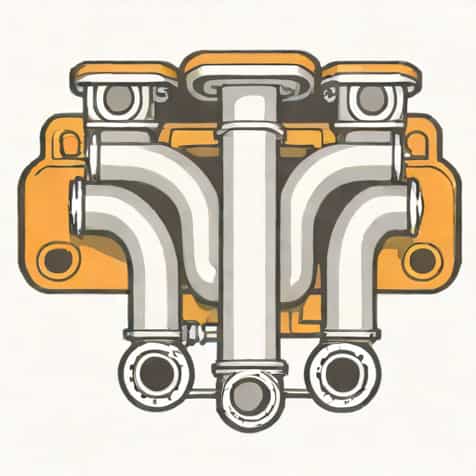
An exhaust manifold is a part of a vehicle’s exhaust system that collects exhaust gases from multiple cylinders and directs them into a single pipe. It is typically made from cast iron, stainless steel, or sometimes aluminum in modern designs. The manifold is directly attached to the engine’s cylinder head, where each cylinder has an outlet for releasing burnt gases. By channeling these gases into one passage, the exhaust manifold ensures a smooth and controlled flow out of the engine and into the rest of the exhaust system.
How an Exhaust Manifold Works
The operation of an exhaust manifold is simple but crucial. Each time a cylinder in the engine completes its combustion cycle, it pushes out exhaust gases. These gases exit through exhaust ports in the cylinder head. The manifold acts like a funnel, guiding gases from all the engine’s cylinders into one exhaust pipe. Once collected, they pass through other parts of the exhaust system such as the catalytic converter, muffler, and tailpipe before being released into the atmosphere.
Step-by-Step Process
-
Combustion occurs in the cylinder, producing gases as a byproduct.
-
The exhaust valve opens, and gases are forced into the exhaust port.
-
The exhaust manifold collects gases from each port.
-
The manifold directs the gases into a single exhaust pipe.
-
The gases move into the catalytic converter for emission control before exiting the vehicle.
Types of Exhaust Manifolds
Not all exhaust manifolds are the same. Their design can vary depending on the vehicle, engine type, and performance requirements. The main types include
Cast Iron Manifolds
These are the most common and traditional types. Made from durable cast iron, they are strong and resistant to heat, but they can be heavy and less efficient at handling high-performance needs.
Tubular Manifolds
Also called headers, these are designed for better airflow. They are made from stainless steel or other lightweight materials and feature separate tubes for each cylinder that merge into a single pipe. This reduces back pressure and improves engine efficiency, making them popular in performance vehicles.
Log-Style Manifolds
These manifolds have a simple design resembling a log. They are compact and cost-effective but may not optimize airflow as well as tubular manifolds. They are common in standard passenger vehicles where efficiency and durability are prioritized over performance.
Importance of an Exhaust Manifold
The exhaust manifold is essential for both performance and environmental reasons. Without it, exhaust gases would build up in the engine, causing back pressure that reduces power and efficiency. The manifold also directs gases to the catalytic converter, which reduces harmful emissions before they leave the vehicle. This makes the manifold an important part of meeting emission standards and protecting air quality.
Key Benefits of an Exhaust Manifold
-
Improved Engine PerformanceHelps the engine breathe by efficiently clearing out gases.
-
Emission ControlDirects gases to catalytic converters for reduced pollution.
-
Noise ReductionDampens the sound of exhaust gases leaving the engine.
-
Heat ManagementWithstands high temperatures and channels heat away from the engine block.
Common Problems with Exhaust Manifolds
Like any part of a vehicle, the exhaust manifold can develop issues over time. Because it is constantly exposed to extreme heat and pressure, wear and tear is inevitable. Some of the most common problems include
Cracks and Leaks
Excessive heat cycles can cause cracks in cast iron or steel manifolds. This leads to exhaust leaks, which reduce engine efficiency and can make the car louder.
Warping
Prolonged exposure to heat can warp the manifold, breaking the seal between the manifold and the cylinder head. This can allow gases to escape before reaching the exhaust system.
Gasket Failure
The gasket between the manifold and the cylinder head may fail, causing leaks. This often results in a ticking noise during acceleration and a noticeable drop in performance.
Symptoms of a Faulty Exhaust Manifold
If an exhaust manifold is damaged, the car will often display noticeable symptoms. Being aware of these signs helps drivers catch problems early and avoid costly repairs.
-
Loud exhaust noise or unusual ticking sounds.
-
Decreased engine power and acceleration.
-
Strong smell of exhaust fumes inside the cabin.
-
Reduced fuel efficiency.
-
Check engine light activation, often due to oxygen sensor readings.
Maintenance and Repair of Exhaust Manifolds
Regular maintenance of an exhaust manifold is relatively simple compared to other engine components. Inspections during routine service can detect cracks, leaks, or gasket issues before they worsen. In many cases, replacing the gasket or tightening bolts can solve small problems. However, if the manifold itself is cracked or warped, replacement is usually the best solution. High-performance vehicles may upgrade to tubular manifolds for better airflow and durability.
Exhaust Manifold vs. Exhaust Headers
The terms manifold and headers are often used interchangeably, but they are not exactly the same. A traditional exhaust manifold is usually a heavy cast iron piece that is durable but less efficient at airflow. Headers, on the other hand, are designed with separate tubes for each cylinder, reducing back pressure and improving horsepower. While manifolds are standard in most factory vehicles, headers are popular in performance cars or as aftermarket upgrades.
Environmental Role of Exhaust Manifolds
Beyond vehicle performance, exhaust manifolds play a key role in environmental protection. By ensuring gases are properly funneled into catalytic converters, they help reduce harmful pollutants such as carbon monoxide, nitrogen oxides, and unburned hydrocarbons. This makes them a critical component in meeting government emission regulations and supporting cleaner air.
An exhaust manifold may not be the most talked-about part of a car, but it is one of the most important. By collecting exhaust gases and channeling them through the exhaust system, it protects the engine, improves performance, reduces noise, and supports emission control. Whether in a standard passenger vehicle or a high-performance sports car, the exhaust manifold ensures that the engine runs smoothly and cleanly. Paying attention to its maintenance not only helps avoid costly repairs but also contributes to better fuel efficiency and a healthier environment. Understanding what an exhaust manifold is highlights just how crucial even the less visible parts of a vehicle are to its overall performance and reliability.