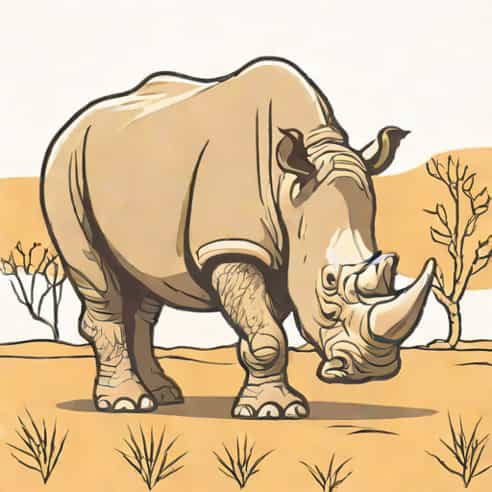
The northern white rhino is one of the most critically endangered animals in the world, often considered the symbol of the urgent need for wildlife conservation. Once roaming freely across central and eastern Africa, this majestic creature has been pushed to the brink of extinction due to poaching and habitat loss. Today, only a handful of northern white rhinos remain, and they exist under intense human protection, highlighting the challenges of saving a species from disappearing forever. Understanding the northern white rhino’s history, characteristics, and current conservation efforts is essential for appreciating its significance and the global efforts to preserve it.
Overview of the Northern White Rhino
The northern white rhino is a subspecies of the white rhinoceros, scientifically known asCeratotherium simum cottoni. White rhinos are divided into two subspecies the southern white rhino, which has a larger population, and the northern white rhino, which is now critically endangered. Northern white rhinos are slightly larger and have a more square-shaped mouth compared to their southern relatives. These herbivores primarily feed on grasses and require large areas of savannah or grassland to roam and graze. Their size and strength make them one of the most powerful animals in Africa.
Physical Characteristics
- Average weight ranges from 4,500 to 5,000 kilograms for adults.
- They have two horns, with the front horn being larger, which is a target for poachers.
- Thick grayish skin with deep folds that protect against harsh weather and predators.
- Square-shaped lips adapted for grazing on grass.
- Height at the shoulder can reach up to 1.8 meters.
Habitat and Range
Historically, northern white rhinos were found in countries like Sudan, Uganda, the Democratic Republic of Congo, and parts of Kenya. They thrived in open savannahs and woodlands, relying on plentiful grass and water sources. Over the last century, human activities, particularly agriculture expansion and poaching, have severely reduced their natural habitat. Today, northern white rhinos no longer roam freely in the wild and are confined to protected areas and conservancies where humans actively monitor and manage their survival.
Diet and Behavior
Northern white rhinos are herbivorous grazers, feeding mainly on various grass species. They spend a large portion of the day grazing and resting. Unlike some other rhino species, they are social to a degree and can be found in small groups, although adult males are more solitary. Their behavior is influenced by their environment and human intervention, particularly in conservation areas where they are closely monitored.
Threats to Survival
The primary threat to the northern white rhino is poaching, driven by the demand for rhino horns, which are highly valued in traditional medicine and as status symbols. Despite strict international bans on rhino horn trade, illegal poaching remains a major concern. Habitat loss due to agricultural expansion, human settlement, and conflict in their native regions has further contributed to their decline. These factors combined have led to an alarming drop in population, making the northern white rhino critically endangered and effectively extinct in the wild.
Conservation Challenges
- Poaching continues despite anti-poaching laws and conservation efforts.
- Limited genetic diversity due to the small remaining population.
- Difficulty in breeding due to advanced age and reproductive health issues of the last individuals.
- High cost and logistical challenges of managing rhinos in protected areas.
Current Population Status
As of recent reports, only two northern white rhinos remain, both females, named Najin and Fatu. They live under close human supervision at the Ol Pejeta Conservancy in Kenya. The absence of male individuals means that natural reproduction is no longer possible. Conservationists are now relying on advanced reproductive technologies such as in vitro fertilization (IVF) and embryo transfer, using stored sperm from deceased males to attempt breeding. These methods offer hope but are complex and have not yet resulted in a viable northern white rhino calf.
Conservation Efforts
Global conservation organizations, zoos, and wildlife reserves are working together to save the northern white rhino from complete extinction. Some key initiatives include
- Captive breeding programs using assisted reproductive technologies.
- Genetic banking, including storing sperm and eggs for future use.
- Protecting existing rhinos in conservancies with 24/7 monitoring.
- Raising awareness about the plight of the northern white rhino to reduce poaching.
- Collaboration between international scientists to develop viable embryos and surrogate mothers.
The Role of Technology in Conservation
Given the critical situation, technology plays a crucial role in saving the northern white rhino. Researchers are exploring cutting-edge techniques such as IVF using eggs from the surviving females and sperm from stored samples. The embryos can potentially be implanted into southern white rhino females, who act as surrogate mothers. Additionally, genetic sequencing and cloning research are being considered to preserve genetic diversity and increase the chances of successful reproduction. While these efforts are still experimental, they represent a vital lifeline for a species on the edge of extinction.
Public Awareness and Education
Education and awareness campaigns are essential to support conservation efforts. By informing the public about the northern white rhino’s plight, conservationists aim to reduce demand for rhino horns, promote responsible wildlife tourism, and encourage donations and support for protective measures. Schools, media outlets, and wildlife organizations play a key role in ensuring the story of the northern white rhino reaches a global audience, emphasizing the importance of protecting endangered species.
Significance of the Northern White Rhino
The northern white rhino is more than just an iconic species; it represents the broader challenges of biodiversity conservation. Losing this subspecies would mean the permanent disappearance of unique genetic material and a significant loss to ecosystems where they once roamed. Furthermore, their plight highlights the impact of human activity on wildlife and the urgent need for coordinated international conservation efforts. Preserving the northern white rhino serves as a symbol of hope and a reminder that human intervention can make a difference, even in the face of critical endangerment.
The northern white rhino stands as one of the most critically endangered species on the planet, with only two females remaining under human care. While the threats of poaching and habitat loss have pushed this subspecies to the brink of extinction, ongoing conservation efforts, advanced reproductive technologies, and global awareness provide a slim but vital chance for survival. Protecting the northern white rhino is not just about saving a single species; it is about preserving biodiversity, maintaining ecological balance, and demonstrating humanity’s responsibility to the natural world. The story of the northern white rhino serves as both a warning and an inspiration, highlighting the need for immediate action and continued commitment to conservation.
In summary, the northern white rhino represents both the fragility of wildlife in the face of human activity and the potential for science and conservation to offer hope. Through a combination of protective measures, technological innovation, and international cooperation, there remains a possibility that future generations may witness the revival of this extraordinary animal. Every effort counts, and the fate of the northern white rhino is a testament to the power of dedicated conservation work.