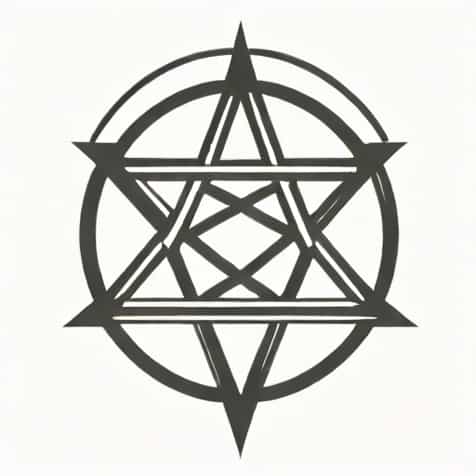
The upside down pentagram is a symbol that often sparks curiosity and controversy within and outside Wiccan and Pagan communities. While many people associate the inverted pentagram with negative connotations or occult practices, its interpretation in Wicca and modern Paganism is nuanced and context-dependent. Unlike the upright pentagram, which traditionally represents protection, balance, and the elements, the upside down pentagram challenges conventional symbolism and invites discussion about intention, energy, and personal practice. Understanding the upside down pentagram in Wicca requires exploring its history, cultural interpretations, and how modern practitioners engage with its imagery within rituals and spiritual contexts.
Historical Context of the Pentagram
The pentagram has been a significant symbol for thousands of years, appearing in ancient civilizations such as Mesopotamia, Greece, and Egypt. Traditionally, an upright pentagram symbolizes harmony, the five elements (earth, air, fire, water, and spirit), and protection. In Wicca, it is often drawn or worn as a talisman to maintain spiritual balance and invoke positive energies. The symbol’s shape-a five-pointed star-serves as a visual reminder of interconnectedness and the natural order of the world.
Emergence of the Upside Down Pentagram
The upside down pentagram, with a single point facing downward, gained notoriety during the 19th and 20th centuries as it became associated with esoteric and occult practices. In some interpretations, particularly in Western esoteric traditions, it was used to represent the material over the spiritual or the inversion of conventional moral order. This inverted orientation drew attention in popular culture as a symbol of rebellion, alternative spirituality, or even malevolent practices, though such interpretations are often exaggerated or misrepresented in media portrayals.
Upside Down Pentagram in Wicca
In Wicca, the upside down pentagram does not inherently carry negative meaning. Wiccan practitioners are more concerned with intention, energy, and the ethical framework of their practice than with external labels or misconceptions. Some Wiccans view the upside down pentagram as a tool for examining shadow aspects of the self or exploring the duality between spiritual and material existence. Unlike the upright pentagram, which emphasizes protection and balance, the inverted pentagram can symbolize personal transformation, introspection, or the integration of suppressed energies.
Symbolic Interpretations
- Shadow WorkThe upside down pentagram may be used in rituals to confront personal fears, negative patterns, or unresolved issues.
- Material FocusSome interpret it as representing the grounding of spiritual energy into the physical world.
- TransformationIts inverted position can signify change, inversion of old beliefs, or breaking through conventional boundaries.
- Balance of DualityIt can serve as a reminder that light and dark, spiritual and material, are interconnected and must coexist.
Ritual Uses and Practices
Wiccan practitioners who incorporate the upside down pentagram often do so with careful intention. Unlike popular myths, its use is rarely about malevolence or evil acts. Rituals may involve drawing the inverted pentagram on the altar, visualizing it in meditation, or using it as a tool for spiritual exploration. The symbol becomes a focus for energy work, aiding practitioners in addressing inner conflicts, shadow aspects, or complex emotional landscapes.
Meditative and Energetic Applications
In meditation, visualizing the upside down pentagram can help practitioners explore areas of the psyche that are typically avoided. It may facilitate connection with subconscious thoughts, hidden desires, or latent potential. Energy work may involve directing personal or ritual energy through the inverted symbol to ground intentions or to release negative patterns that hinder spiritual growth.
Integration in Ritual Tools
Some Wiccans use the upside down pentagram in conjunction with other ritual tools, such as candles, crystals, or ceremonial circles. Its presence in rituals can reinforce the theme of transformation, shadow work, or personal empowerment. Importantly, the ethical and spiritual context of the practitioner determines the energy associated with the symbol, rather than its orientation alone.
Misconceptions and Popular Culture
Popular culture often misrepresents the upside down pentagram as exclusively a symbol of evil, Satanism, or malevolent magic. Movies, music, and media sometimes depict the symbol in ways that sensationalize its meaning, leading to misunderstandings about Wiccan practices. In reality, most Wiccans emphasize ethical use of symbols, respect for natural law, and personal responsibility. The upside down pentagram is a versatile tool within this framework, and its significance is shaped by the practitioner’s intent and knowledge.
Distinguishing Misrepresentation from Practice
It is crucial to distinguish between media portrayal and actual Wiccan practice. While the inverted pentagram has been adopted in some occult traditions with specific esoteric meanings, Wicca generally approaches symbols with an emphasis on spirituality, intention, and ethical application. Misconceptions arise from the symbol’s striking visual appearance, not its intrinsic meaning or use.
Ethical Considerations in Use
When incorporating the upside down pentagram into practice, ethical considerations are central. Wiccan principles often include respect for others, harm-free magic, and conscious intention. Practitioners are encouraged to use the symbol responsibly, with clear understanding of its energetic implications, and to avoid actions that could cause harm. The ethical framework ensures that the symbol remains a tool for personal growth, reflection, and spiritual development.
Responsible Practice Guidelines
- Understand the historical and cultural context of the upside down pentagram before use.
- Clarify the intention behind its use, focusing on personal or spiritual growth rather than fear or negativity.
- Integrate the symbol into rituals with mindfulness, ethical guidance, and self-awareness.
- Respect the beliefs and interpretations of others who may view the symbol differently.
The upside down pentagram in Wicca is a complex and nuanced symbol, far removed from the one-dimensional portrayal often found in popular culture. While its inverted orientation challenges traditional symbolism, it offers opportunities for introspection, shadow work, and personal transformation. Wiccan practitioners use the symbol with intentionality, ethical guidance, and an understanding of its historical and spiritual significance. By emphasizing intention over appearance, the upside down pentagram becomes a versatile tool for self-exploration, energy work, and ritual practice. Its enduring relevance highlights the importance of context, knowledge, and conscious application when engaging with spiritual symbols, reinforcing the idea that the meaning of a symbol is shaped as much by the practitioner as by the symbol itself.