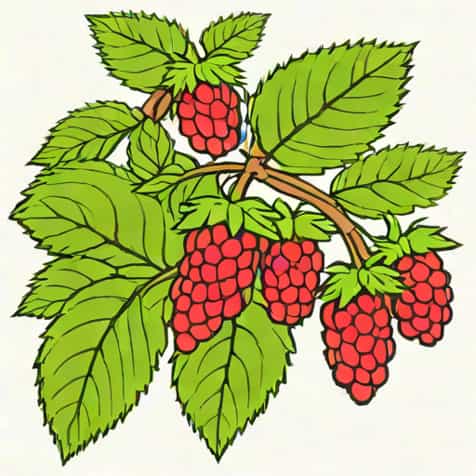
Pruning loganberries in the UK is an essential task for gardeners who want to maintain healthy plants and maximize fruit production. Loganberries, a hybrid of blackberries and raspberries, are vigorous plants that can quickly become overgrown if not pruned regularly. Proper pruning encourages new growth, improves air circulation, and reduces the risk of disease, resulting in sweeter and more abundant berries. Understanding the correct timing and techniques for pruning in the UK climate is key to achieving the best harvests and maintaining a tidy garden.
Understanding Loganberry Growth
Loganberries produce fruit on second-year canes, which means that the canes that grew in the previous year will bear the berries. After fruiting, these canes die back naturally, making room for new shoots to grow in their place. Recognizing the difference between first-year (primocane) and second-year (floricane) canes is crucial for proper pruning. Removing dead or unproductive canes prevents overcrowding and helps the plant focus its energy on developing healthy new shoots that will bear fruit in the next season.
When to Prune Loganberries in the UK
In the UK, the optimal time to prune loganberries is during the late winter to early spring, typically between February and March. This timing allows gardeners to cut back the canes before new growth begins, minimizing stress on the plant and reducing the risk of disease transmission. Winter pruning is preferred because the plant is dormant, making it easier to see the structure of the canes and remove unwanted growth without affecting fruit production.
Step-by-Step Pruning Guide
1. Remove Dead and Damaged Canes
Start by identifying canes that fruited last year, which will appear brown, woody, and brittle. These canes will not produce fruit again and should be cut back to the base. Also, remove any damaged, diseased, or broken canes to prevent the spread of disease and allow more light and air to reach the healthy parts of the plant.
2. Thin Out Overcrowded Shoots
Loganberries can become congested if left unpruned, leading to poor air circulation and reduced fruit quality. Select the strongest, healthiest new shoots and remove weaker or overcrowded ones. Ideally, maintain around 6 to 8 strong canes per plant to ensure a balance between fruit production and plant health.
3. Shorten Long Canes
Some new canes may grow excessively long, which can make harvesting difficult and the plant prone to bending or breaking. Pruning back long canes by one-third helps manage the plant’s shape, encourages lateral branching, and results in more manageable growth. Cutting back stimulates new growth and improves fruit yield by allowing energy to be distributed to productive shoots.
4. Train Canes on a Support
Loganberries benefit from being grown on a trellis, fence, or other support structures. While pruning, guide healthy canes along the support to maintain structure and prevent tangling. Tying the canes loosely ensures they are secure but still able to expand and grow. Proper training reduces the risk of canes lying on the ground, which can lead to disease and pest problems.
Additional Tips for Pruning Loganberries
- Use Clean ToolsAlways use sharp and clean secateurs or pruning shears to prevent damaging the plant and spreading disease.
- Prune AnnuallyRegular annual pruning ensures consistent fruit production and keeps the plant manageable.
- Remove SuckersLoganberries can produce unwanted suckers from the base. Remove these regularly to focus growth on main canes.
- Mulch After PruningApplying a layer of mulch around the base of the plant helps retain moisture and suppress weeds, supporting healthy new growth.
Considerations for the UK Climate
UK gardeners should take into account local weather conditions when pruning loganberries. Avoid pruning during periods of severe frost, as this can damage exposed stems. If the winter has been particularly harsh, check for any frost-damaged canes and remove them carefully. Mild, dry days are ideal for pruning, reducing the risk of spreading fungal infections and ensuring cuts heal quickly.
Encouraging Better Fruit Production
Proper pruning not only maintains the health of loganberry plants but also improves fruit quality. By removing old canes and thinning out crowded shoots, sunlight and air circulation are optimized, reducing disease and encouraging larger, juicier berries. Pruning also stimulates the growth of lateral branches, where the majority of the fruit will develop. Combining pruning with other care practices, such as fertilization and watering, ensures a bountiful and high-quality harvest.
Signs You Might Need Extra Pruning
If you notice that your loganberry plants are producing small, sparse berries, it may indicate that the canes are overcrowded or that old, unproductive canes have not been removed. Excessive foliage can shade fruiting areas, limiting ripening and reducing sugar content. Regular observation and corrective pruning throughout the growing season can help maintain optimal plant health and fruit production.
Pruning loganberries in the UK is an essential gardening task that ensures healthy growth, maximizes fruit yield, and maintains manageable plant size. Late winter to early spring, typically February to March, is the ideal time for pruning, when plants are dormant and can be easily shaped without risking damage to new growth. Removing dead, damaged, or overcrowded canes, shortening long shoots, and training canes on supports improves air circulation, sunlight exposure, and overall plant productivity. By following proper techniques, using clean tools, and considering local climate conditions, UK gardeners can enjoy sweet, abundant loganberries year after year. Regular annual pruning combined with ongoing care will result in a flourishing garden and consistently high-quality fruit harvests.