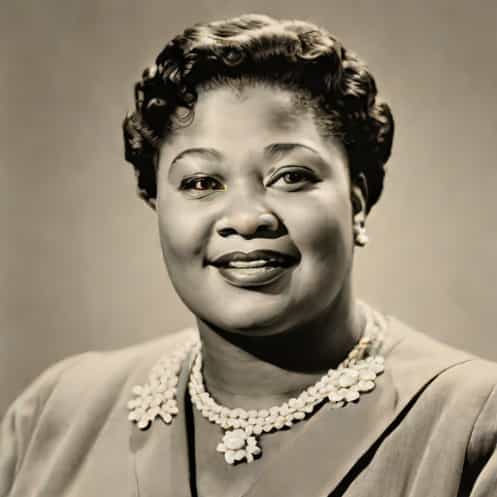
Hattie McDaniel’s life offers a powerful look into American entertainment history, racial barriers, and the determination of an artist who forged her own path. She is best known for her groundbreaking achievements in film, yet her story extends far beyond one famous role. Many people recognize her name but may not be aware of the depth of her talent, her challenges, or the lasting influence she had on Hollywood. Learning key facts about Hattie McDaniel allows us to appreciate her legacy more fully and understand how she helped pave the way for future generations of performers.
Early Life and Background
Hattie McDaniel was born on June 10, 1893, in Wichita, Kansas, to formerly enslaved parents. Her upbringing shaped her passion for performance, as music and storytelling were important parts of her family’s life. She grew up in a large family with strong creative influences, which helped her develop both confidence and a love for entertaining.
Early Talent and Performances
From a young age, McDaniel showed a natural gift for singing. She performed in school plays and church programs, quickly earning attention for her powerful voice and expressive personality. When her family moved to Denver, she continued pursuing opportunities in performance, gradually turning her passion into a career.
Challenges of the Era
Living in a time of intense racial discrimination made it difficult for African American performers to find opportunities. Despite the social climate, McDaniel refused to give up. Her persistence became one of the most defining characteristics of her career.
Rise in Entertainment
Before gaining recognition in film, McDaniel worked in vaudeville, minstrel shows, and radio. These platforms allowed her to sharpen her comedic skills, refine her vocal performance, and build a foundation for future success.
Work in Vaudeville and Minstrel Shows
McDaniel traveled with performing groups, singing and acting in front of diverse audiences. Although the industry itself was marked by stereotypes, it provided one of the few spaces where Black performers could earn a living. Her ability to captivate audiences helped her stand out among her peers.
Breakthrough in Radio
Her radio work, including comedic roles and musical performances, attracted attention from casting agents. This exposure opened the door to film roles, especially as the entertainment industry expanded in the early 20th century.
Hollywood Career and Iconic Roles
Hattie McDaniel is widely associated with her film work, particularly her portrayal of Mammy in Gone with the Wind. However, she appeared in more than 90 films over her career, showcasing her range as an actress.
Supporting Roles and Typecasting
Many studios offered McDaniel roles as maids, cooks, or domestic workers. While these characters were often based on stereotypes, she brought depth, dignity, and humor to the roles. Her ability to elevate even small parts made her a memorable on-screen presence.
Breakthrough Performance in Gone with the Wind
Her role as Mammy in the 1939 film became the defining moment of her career. She delivered a powerful performance that captivated audiences and earned the respect of critics. Despite the limitations placed on African American actors, McDaniel transformed the character into one of the most compelling figures in the film.
Historic Academy Award Win
One of the most significant facts about Hattie McDaniel is that she became the first African American to win an Academy Award. Her achievement marked a milestone in Hollywood and represented a step forward in recognizing the talents of Black performers.
A Groundbreaking Achievement
At the 12th Academy Awards in 1940, McDaniel won the Oscar for Best Supporting Actress. Her victory broke racial barriers and demonstrated that African American actors could compete at the highest levels of the industry.
Barriers Even During the Celebration
Despite her win, she faced discrimination at the awards ceremony. Segregation policies restricted where she could sit, and she was not permitted to attend the film’s premiere in Atlanta due to racial laws. Her experience highlighted the contrast between professional recognition and social inequality.
Advocacy and Personal Strength
Beyond acting, McDaniel used her platform to push for better roles and representation for African American performers. She understood the power of entertainment in shaping cultural attitudes, and she used her influence to improve conditions for others.
Support for Black Actors
McDaniel often advocated for fair treatment and employment opportunities. She joined organizations that aimed to challenge stereotypes and open doors for future performers. Her efforts helped encourage a gradual transformation in Hollywood casting practices.
Facing Criticism
Some community members criticized her for accepting stereotyped roles, arguing that these portrayals reinforced harmful images. McDaniel responded by explaining that she preferred working in the industry, even with limited roles, over being unemployed. She believed her presence could help shift representation from the inside.
Later Career and Radio Success
As film roles became less frequent, McDaniel transitioned to radio, continuing to entertain audiences across the country. Her warm voice, comedic timing, and ability to connect with listeners made her radio work highly successful.
The Beulah Show
One of her most notable radio achievements was starring as Beulah in The Beulah Show. She became the first African American woman to lead a nationwide radio program, further cementing her influence in American entertainment.
Health Challenges
During the later years of her life, McDaniel faced significant health issues, which eventually affected her ability to perform. Despite these challenges, she remained committed to her craft and continued working as long as she was able.
Legacy and Cultural Impact
Hattie McDaniel passed away on October 26, 1952, but her influence remains strong. Her contributions to film, radio, and representation have earned her a respected place in history.
Breaking Barriers in Hollywood
Her Oscar win continues to serve as a symbol of progress, inspiring generations of actors who followed. Many performers and historians credit her determination for helping open doors in an industry once closed to Black talent.
Recognition After Her Lifetime
In the decades following her death, appreciation for McDaniel’s work has grown. Her performances are studied for their complexity, and her role in entertainment history is frequently highlighted in discussions about diversity, representation, and cultural change.
Why Her Story Still Matters
Hattie McDaniel’s story reminds us of the resilience required to succeed in a restrictive environment. Her achievements symbolize both personal triumph and broader cultural progress. She showed that talent, persistence, and courage can push through barriers that once seemed impossible to overcome.
By understanding facts about Hattie McDaniel, we gain insight into the challenges faced by early Black performers, the evolution of Hollywood, and the importance of acknowledging those who helped shape modern entertainment. Her legacy continues to influence film history, social progress, and the ongoing conversation about equal opportunities in the arts.