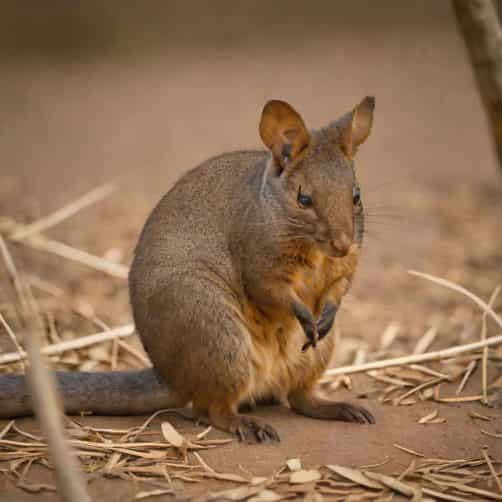
The dusky pademelon, a small and elusive marsupial native to the forests of Australia and New Guinea, has become a popular attraction at Chester Zoo due to its unique appearance and intriguing behavior. These nocturnal creatures are known for their shy nature, soft fur, and remarkable ability to hop and navigate dense undergrowth. At Chester Zoo, visitors have the opportunity to observe the dusky pademelon in a carefully designed habitat that mimics its natural environment, providing insights into its feeding habits, social behavior, and conservation needs. Understanding the biology and ecological significance of the dusky pademelon helps highlight the importance of conservation efforts for this species.
Introduction to Dusky Pademelons
The dusky pademelon, scientifically known as Thylogale brunii, belongs to the macropod family, which also includes kangaroos and wallabies. These small marsupials are generally shy and reclusive, preferring dense forests and underbrush where they can hide from predators. Dusky pademelons are primarily herbivorous, feeding on leaves, fruits, and grasses. Their compact size, strong hind legs, and distinctive hopping gait allow them to move quickly and efficiently through their forested habitats, evading predators such as dingoes and large birds of prey.
Physical Characteristics
- Compact body size, typically around 35 50 cm in length
- Soft, dusky-colored fur with a reddish or brown tinge
- Strong hind legs adapted for hopping and jumping
- Short forelimbs used for feeding and grooming
- Long tail for balance and stability while moving
Habitat and Behavior
In the wild, dusky pademelons inhabit tropical and subtropical forests where they can find dense vegetation for cover and abundant food sources. They are primarily nocturnal, emerging at dusk to forage for leaves, fruits, and shoots. These marsupials are solitary or live in small groups, and they communicate through vocalizations and scent markings. Despite their timid nature, dusky pademelons play an important role in their ecosystems, contributing to seed dispersal and vegetation control.
Daily Life and Activity
- Nocturnal foraging Most active at night to avoid predators
- Resting during the day in shaded, concealed areas
- Grooming and self-maintenance behaviors
- Marking territory with scent glands
- Occasional social interactions with other pademelons
Dusky Pademelons at Chester Zoo
Chester Zoo has made a concerted effort to replicate the natural habitat of the dusky pademelon, creating an environment that encourages natural behaviors and provides enrichment. Visitors can observe these marsupials in well-planned enclosures that feature dense foliage, hiding spots, and elevated platforms. The zoo’s team monitors the animals’ health, diet, and breeding patterns closely, ensuring the pademelons thrive while educating the public about the species and broader conservation efforts.
Conservation and Education
Dusky pademelons face threats in the wild, including habitat destruction, predation by introduced species, and hunting in some regions. Chester Zoo participates in conservation programs aimed at preserving these animals and raising awareness about their ecological importance. Educational displays and interactive talks help visitors understand the species’ needs, behavior, and the challenges they face in the wild. By seeing the dusky pademelon up close, people gain a greater appreciation for wildlife conservation and the importance of protecting habitats.
Zoo Habitat Design
- Dense vegetation and shaded areas mimicking forest undergrowth
- Multiple hiding spots to reduce stress and encourage natural behaviors
- Interactive enrichment objects to stimulate mental and physical activity
- Controlled climate conditions to replicate natural habitat
- Observation areas for visitors without disturbing the animals
Diet and Feeding
In captivity, dusky pademelons are provided with a diet that closely resembles their natural intake, including fresh leafy greens, fruits, and specially formulated herbivore pellets. Feeding schedules are designed to promote natural foraging behavior and maintain optimal health. Nutritionists at Chester Zoo monitor the diet carefully to ensure that each pademelon receives the right balance of nutrients, supporting their energy levels and overall well-being.
Feeding Behavior
- Nocturnal feeding routines to mirror wild habits
- Use of forelimbs to grasp and manipulate food
- Preference for fresh, fibrous plants and seasonal fruits
- Opportunities for foraging enrichment to encourage natural behavior
- Monitoring food intake to prevent obesity and maintain health
Breeding and Reproduction
Breeding dusky pademelons in captivity requires careful management to ensure successful reproduction while maintaining genetic diversity. Chester Zoo employs breeding programs that track lineage and pair individuals thoughtfully to prevent inbreeding. Female pademelons have a pouch where the young develop after birth, a defining characteristic of marsupials. Juveniles remain in the pouch for several months before gradually exploring the enclosure under the watchful care of their mother.
Reproductive Facts
- Females have a well-developed pouch for rearing young
- Gestation period is relatively short, usually around 30 days
- Newborns are tiny and develop further inside the pouch
- Juveniles begin leaving the pouch after several months
- Breeding programs aim to preserve genetic diversity in captivity
Visitor Experience and Learning Opportunities
Observing dusky pademelons at Chester Zoo offers visitors a unique educational experience. Visitors can learn about the species’ behavior, habitat, and role in the ecosystem, gaining insight into the challenges of wildlife conservation. Interactive displays, feeding demonstrations, and guided talks help engage audiences of all ages, inspiring curiosity and respect for wildlife. Chester Zoo’s focus on immersive and informative experiences ensures that each visit contributes to broader awareness and conservation efforts.
Key Learning Points for Visitors
- Importance of habitat preservation for marsupial species
- Role of dusky pademelons in seed dispersal and forest ecology
- Challenges faced by wildlife due to human activity
- How zoos contribute to species conservation and research
- Encouragement to support conservation initiatives
The dusky pademelon at Chester Zoo provides a rare opportunity to observe a fascinating marsupial in a setting that emphasizes both natural behavior and conservation education. By studying and caring for these shy yet captivating animals, the zoo helps ensure the survival of the species while promoting awareness of ecological issues. From their unique hopping gait and nocturnal habits to their role in forest ecosystems, dusky pademelons offer valuable lessons about biodiversity and the importance of protecting wildlife. Chester Zoo’s commitment to habitat recreation, education, and conservation makes it an ideal place to learn about these remarkable creatures and the broader efforts to safeguard species for future generations.