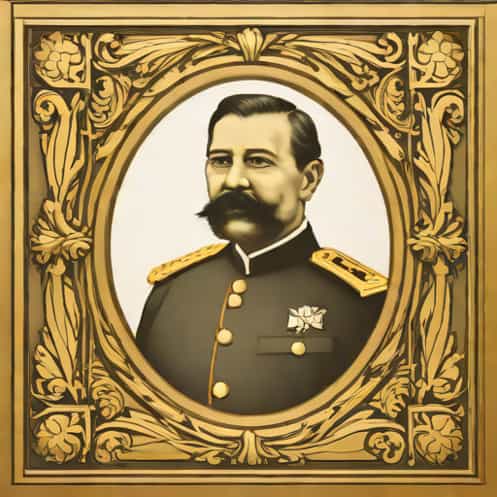
The General Garcia plunder case is one of the most controversial corruption cases in the Philippines, involving former military comptroller Major General Carlos Garcia. His case exposed deep issues within the military’s financial system and became a symbol of how power can be abused in government service. For years, the story of General Garcia’s alleged plunder of public funds has captured the attention of both the media and the public, sparking debates about accountability, justice, and the fight against corruption in the armed forces. Understanding this case provides insight into how corruption can operate within institutions and what efforts are made to stop it.
Background of General Carlos Garcia
Major General Carlos Garcia served as the Armed Forces of the Philippines (AFP) comptroller, a position that gave him significant control over the military’s financial transactions. As comptroller, he handled funds allocated for operations, supplies, and benefits for soldiers. However, in the early 2000s, suspicions began to rise about unusual financial activities linked to him and his family. The case would later unfold into one of the largest corruption scandals in Philippine military history.
General Garcia’s reputation began to crumble when reports emerged that he and his family were living a lifestyle far beyond his means as a government officer. Lavish homes, expensive cars, and millions of pesos in bank accounts raised eyebrows. Eventually, authorities began investigating the possibility that Garcia had misused or stolen funds intended for the armed forces.
The Beginning of the Plunder Case
The case formally began in 2004 when Garcia was charged with plunder, a serious crime under Philippine law involving the accumulation of ill-gotten wealth worth at least 50 million pesos. The Office of the Ombudsman filed charges against him before the Sandiganbayan, the anti-graft court. Investigators claimed that Garcia had embezzled millions of pesos in military funds during his tenure as comptroller.
The key turning point came when U.S. customs officials arrested Garcia’s sons in 2003 for carrying undeclared cash at an American airport. Their arrest led to the discovery of how much money the family had been moving internationally, prompting Philippine authorities to take a closer look. Soon after, evidence surfaced of massive financial discrepancies and unaccounted military funds.
The Allegations and Evidence
Garcia was accused of diverting public money from the military into his personal accounts. The prosecution claimed that he misappropriated funds intended for military projects and soldier benefits. Evidence showed that he had acquired luxury properties both in the Philippines and abroad. Investigators found records of his family’s expensive purchases and foreign bank accounts, suggesting a well-organized scheme to hide illicit wealth.
His wife, Clarita, also became a central figure in the investigation. She allegedly admitted during a U.S. court proceeding that their family had received large sums of money from gratitude or gifts by military suppliers and contractors. These statements played a key role in establishing the paper trail that led to Garcia’s prosecution in the Philippines.
The Legal Proceedings
When the plunder case reached the Sandiganbayan, General Garcia initially pleaded not guilty. The trial was complex and dragged on for years, involving multiple witnesses, financial documents, and bank records. In 2010, Garcia entered into a plea bargain agreement with the Office of the Ombudsman, which allowed him to plead guilty to lesser offenses of direct bribery and facilitating money laundering instead of plunder.
As part of the plea bargain, Garcia agreed to return part of his assets, estimated to be around 135 million pesos. This deal, however, triggered public outrage. Many critics viewed the agreement as a miscarriage of justice, believing it allowed Garcia to escape full accountability for plunder, which carries the punishment of life imprisonment.
Public Reaction and Controversy
The plea bargain drew criticism from lawmakers, the media, and anti-corruption groups. People argued that the deal undermined efforts to hold high-ranking officials accountable. The case became a test of how far the justice system would go to pursue corruption cases involving powerful individuals.
The public was also angered by the fact that Garcia’s confession seemed incomplete. He claimed that the money came from gifts given by military suppliers out of gratitude, not from stolen funds. Many viewed this explanation as implausible and a sign of how systemic corruption was within the military. The Senate held hearings to investigate the plea bargain and questioned officials who approved it.
Impact on the Military and Government
The General Garcia plunder case exposed weaknesses in the military’s financial management and accountability systems. It raised questions about how one officer could control such large sums without adequate oversight. In response, reforms were proposed to improve transparency within the Armed Forces of the Philippines.
One major outcome was the call for stricter auditing and monitoring of military funds. The case also led to discussions about the moral responsibility of military leaders to maintain integrity, especially since public trust depends heavily on the perception that the armed forces serve the nation with honor and honesty.
Aftermath and Continuing Developments
Even after the plea bargain, the General Garcia case continued to generate discussion. The Ombudsman and other government agencies faced pressure to revisit the case and ensure that justice was served. Some government officials argued that Garcia’s agreement was legal and practical because it allowed the government to recover some of the stolen money. Others said that allowing a high-ranking official to get a lighter sentence sent the wrong message.
Garcia was eventually released after serving several years in detention, but his name remained synonymous with corruption in the Philippine military. The scandal also encouraged other whistleblowers and reformists to expose misuse of funds in different government branches. In this way, the case had a lasting influence on anti-corruption efforts in the country.
Lessons Learned from the General Garcia Case
The case offers many lessons about corruption, governance, and accountability. It shows how even institutions meant to protect the nation can become vulnerable when individuals prioritize personal gain over public service. It also demonstrates the importance of investigative journalism, as the media played a key role in bringing the issue to light and keeping the public informed.
- Transparency is essential in public financial management to prevent abuse of funds.
- Oversight bodies must be independent and empowered to investigate wrongdoing without political interference.
- Public awareness and pressure can influence how justice is pursued in corruption cases.
- Plea bargains, while practical, should be balanced to ensure accountability for serious crimes like plunder.
The story also highlights how corruption does not exist in isolation it often involves family, networks, and systems that enable wrongdoing. Breaking those systems requires strong institutions and consistent public demand for integrity.
The Legacy of the Case
Today, the General Garcia plunder case remains a landmark example in discussions about corruption and military ethics. It has been cited in policy debates, legal studies, and anti-corruption campaigns. While the outcome may not have fully satisfied the public’s desire for justice, it helped raise awareness of how corruption operates at high levels and why reform is necessary.
The case also encouraged the strengthening of laws such as the Anti-Graft and Corrupt Practices Act and the Plunder Law, which aim to hold public officials accountable for unexplained wealth. It reminded citizens and soldiers alike that service to the nation must come with honesty, not greed.
The General Garcia plunder case stands as a reminder that corruption can reach even the highest ranks of power but can also be exposed through persistence and public vigilance. It remains one of the most significant corruption cases in Philippine history, showing both the flaws and the potential of the justice system. While Garcia’s story may have ended with a controversial plea bargain, the lessons it left behind continue to influence how Filipinos view leadership, integrity, and the ongoing battle against corruption in government service.