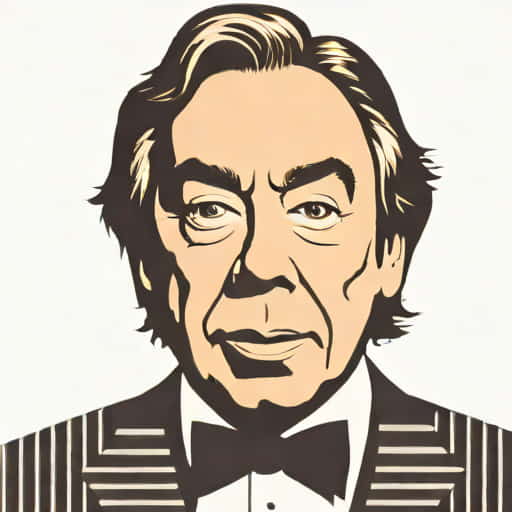
Andrew Lloyd Webber is one of the most influential figures in modern musical theatre, widely celebrated for his extraordinary contributions to the genre over the past five decades. Known as the Lord of the Musical, Lloyd Webber has composed some of the most iconic and enduring musicals in history, including The Phantom of the Opera, Cats, Evita, and Jesus Christ Superstar. His works have captivated audiences around the world, combining memorable melodies, innovative orchestrations, and dramatic storytelling. Beyond his compositions, Lloyd Webber has played a significant role in shaping the production and commercial success of musical theatre, making him a household name not only in the United Kingdom but globally. Understanding his life, career, and impact provides a window into the evolution of contemporary theatre and the enduring appeal of musical storytelling.
Early Life and Education
Andrew Lloyd Webber was born on March 22, 1948, in London, England, into a musical family. His father, William Lloyd Webber, was a composer and organist, while his mother, Jean Hermione Johnstone, was a pianist and violinist. Surrounded by music from an early age, Andrew showed remarkable talent in both piano and composition. He attended the Royal College of Music briefly but left to focus on writing for theatre, believing that practical experience in composition and production would serve his career better. His early exposure to classical music, combined with a fascination for storytelling, laid the foundation for his future success in musical theatre.
Rise to Fame
Lloyd Webber’s first significant success came with Joseph and the Amazing Technicolor Dreamcoat, originally written in 1968 for a school performance. The musical gained wider attention and was eventually expanded for professional productions. In 1970, he collaborated with lyricist Tim Rice on Jesus Christ Superstar, a rock opera that brought a contemporary sensibility to biblical storytelling. This collaboration marked the beginning of a long and fruitful partnership with Rice, producing several major hits and redefining modern musical theatre with rock-influenced, narrative-driven compositions.
Major Works
Andrew Lloyd Webber has an extensive portfolio of musicals that have left an indelible mark on global theatre. Some of his most notable works include
- Cats (1981)Based on T.S. Eliot’s poetry, Cats became one of the longest-running shows on Broadway and the West End, with its unique choreography and memorable songs like Memory.
- The Phantom of the Opera (1986)Perhaps his most famous work, this musical has become a worldwide phenomenon, blending romance, suspense, and gothic spectacle with a haunting score.
- Evita (1978)Chronicling the life of Eva Perón, this musical introduced audiences to Don’t Cry for Me Argentina and showcased Lloyd Webber’s ability to combine historical storytelling with captivating melodies.
- Sunset Boulevard (1993)A dark and dramatic exploration of fame and obsession, inspired by the classic Hollywood film.
- School of Rock (2015)Adapted from the popular film, this musical emphasizes Lloyd Webber’s continued relevance and versatility, appealing to both children and adults.
Musical Style and Innovations
Andrew Lloyd Webber’s musical style is characterized by its memorable melodies, dramatic orchestrations, and fusion of diverse genres. He often blends classical music traditions with contemporary rock, pop, and jazz elements, creating dynamic and emotionally resonant scores. His works are also notable for their focus on leitmotifs-musical themes associated with specific characters or ideas-which enhance narrative cohesion and audience engagement. Beyond composition, Lloyd Webber has innovated in musical production, embracing lavish staging, intricate set designs, and inventive choreography to create immersive theatrical experiences.
Collaborations
Lloyd Webber frequently collaborated with lyricists such as Tim Rice, Don Black, and Richard Stilgoe. These partnerships allowed him to combine compelling lyrics with his dramatic musical compositions. Tim Rice, in particular, played a pivotal role in shaping early works like Jesus Christ Superstar and Evita. Later collaborations brought fresh perspectives, helping Lloyd Webber maintain relevance across decades. Additionally, his work with choreographers, directors, and designers contributed to the groundbreaking visual and narrative appeal of his productions.
Achievements and Recognition
Andrew Lloyd Webber’s contributions to musical theatre have earned him numerous awards and honors. He has won multiple Tony Awards, Olivier Awards, and Grammy Awards, recognizing both his musical compositions and productions. In 1992, he was knighted by Queen Elizabeth II for his services to music, and in 1997, he became a life peer, taking the title Baron Lloyd-Webber. His musicals have sold over 180 million tickets worldwide, highlighting his enduring popularity and impact on audiences across generations.
Global Influence
Lloyd Webber’s musicals have not only dominated the West End and Broadway but have also been adapted into films, television specials, and international tours. Productions of The Phantom of the Opera, Cats, and Evita have been staged in dozens of countries, translated into multiple languages, and enjoyed by millions of people worldwide. His work has inspired countless composers, performers, and theatre professionals, influencing the evolution of contemporary musical theatre by combining traditional forms with modern storytelling techniques.
Impact on Popular Culture
Andrew Lloyd Webber’s influence extends beyond theatre into popular culture. Songs from his musicals have become widely recognized outside the theatre community, appearing on radio, in films, and in public performances. His musicals have inspired parodies, adaptations, and even themed attractions, reflecting the broader cultural impact of his work. The music of The Phantom of the Opera and Cats continues to resonate in popular culture, with iconic songs like Memory becoming part of the global musical lexicon.
Philanthropy and Education
Beyond his creative work, Lloyd Webber has contributed to arts education and charitable causes. He established the Andrew Lloyd Webber Foundation, which supports performing arts initiatives, educational programs, and the preservation of cultural heritage. Through these efforts, he has helped nurture future generations of theatre professionals and broaden access to the arts for diverse communities.
Legacy and Continuing Influence
Andrew Lloyd Webber’s legacy is characterized by innovation, creativity, and a lasting impact on musical theatre. His works continue to inspire productions worldwide, and his approach to blending music, narrative, and spectacle has set a standard for modern musicals. Upcoming productions, revivals, and adaptations ensure that his influence remains prominent, introducing new audiences to the magic of his compositions. As both a composer and producer, he has transformed the way musicals are created, marketed, and experienced, securing his place as one of the most significant figures in the history of theatre.
Andrew Lloyd Webber is a towering figure in the world of musical theatre, renowned for his creativity, innovation, and enduring contributions. From early successes like Joseph and the Amazing Technicolor Dreamcoat and Jesus Christ Superstar to global phenomena such as Cats and The Phantom of the Opera, his musicals have shaped the landscape of modern theatre. His distinctive musical style, successful collaborations, and influence on production standards have left an indelible mark on both audiences and the arts community. Beyond accolades and commercial success, his work continues to inspire performers, composers, and theatre lovers around the world, ensuring that the legacy of Andrew Lloyd Webber will endure for generations to come.