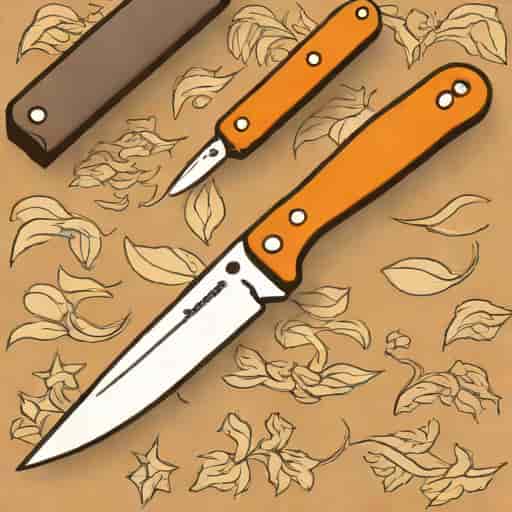
The Benchmade paring knife is a versatile and essential tool for any kitchen enthusiast, chef, or home cook. Known for its precision, durability, and ergonomic design, this knife excels in tasks that require delicate handling, such as peeling, trimming, and slicing fruits and vegetables. While larger knives like chef’s knives or santoku knives dominate the countertop, the paring knife stands out for its ability to perform intricate cuts that demand control and accuracy. Benchmade, a company renowned for high-quality knives, brings exceptional craftsmanship to its paring knife line, ensuring both professional and amateur cooks can rely on a tool that combines functionality with durability. Understanding the design, features, and best uses of the Benchmade paring knife allows users to maximize its potential and appreciate why it is a staple in culinary settings.
Design and Construction
The design of a Benchmade paring knife prioritizes comfort, control, and precision. With a shorter blade typically ranging between 2.5 to 4 inches, it offers maneuverability that larger knives cannot provide. The blades are made from high-quality stainless steel or premium steel alloys, ensuring long-lasting sharpness and resistance to corrosion. Benchmade emphasizes ergonomic handles that provide a secure grip, reducing hand fatigue during repetitive tasks. The balance between blade and handle allows for smooth, controlled cutting, making the paring knife suitable for both professional kitchens and home use.
Blade Features
- High-carbon stainless steel for enhanced edge retention and rust resistance.
- Fine, tapered edge for precision cutting and intricate work.
- Short, sharp blade ideal for peeling, trimming, and detailed slicing tasks.
- Durable construction that withstands frequent use without losing performance.
Handle Design
Benchmade paring knives feature handles designed for comfort and safety. The ergonomic shape fits naturally in the hand, providing a secure grip even during prolonged use. Some models incorporate textured surfaces to prevent slipping when handling wet or oily ingredients. The handle material is often resistant to impact and moisture, ensuring long-term durability and reliability. The combination of a balanced blade and well-designed handle makes it easier to execute fine cuts and maintain consistent performance.
Uses and Applications
The Benchmade paring knife excels in a wide range of kitchen tasks, particularly those requiring precision and control. It is an indispensable tool for peeling fruits and vegetables, deveining shrimp, segmenting citrus, and removing seeds or blemishes. While chef’s knives are better suited for larger chopping and slicing tasks, the paring knife allows cooks to handle delicate ingredients with finesse. Its small size and sharp blade make it ideal for intricate garnishing, making decorative cuts, and performing tasks that demand a gentle touch.
Common Kitchen Tasks
- Peeling and trimming fruits and vegetables such as apples, potatoes, and carrots.
- Segmenting citrus fruits for salads or desserts.
- Removing seeds from peppers, cucumbers, or other produce.
- Deveining shrimp and preparing small seafood items.
- Creating decorative cuts or garnishes for presentation purposes.
Maintenance and Care
Proper maintenance is crucial to ensure the Benchmade paring knife maintains its sharpness, performance, and longevity. Regular honing helps preserve the blade’s edge, while occasional sharpening with a whetstone or sharpening system restores its precision. It is recommended to hand wash the knife with mild soap and water, then dry immediately to prevent moisture damage. Avoiding the dishwasher is essential, as harsh detergents and heat can compromise both the blade and handle. With proper care, a Benchmade paring knife can serve as a reliable kitchen companion for many years.
Sharpening and Honing
- Use a honing steel regularly to maintain the edge between sharpenings.
- Sharpen the blade with a whetstone or professional sharpening system when dull.
- Maintain the correct angle (typically around 15-20 degrees) during sharpening for optimal performance.
Cleaning and Storage
Cleaning the knife immediately after use prevents food residues from damaging the blade. Drying the knife thoroughly reduces the risk of corrosion, especially on high-carbon steel models. Proper storage in a knife block, magnetic strip, or protective sheath keeps the blade protected and prevents accidental damage. Avoid storing the knife loose in a drawer to maintain both safety and blade integrity.
Advantages of Benchmade Paring Knives
Benchmade paring knives offer numerous advantages compared to generic or lower-quality paring knives. Their precision edges and durable construction allow for accurate cuts with minimal effort. Ergonomic handles reduce hand strain during extended use, while premium materials ensure longevity and resistance to wear. These knives are suitable for both novice cooks and professional chefs, providing consistency and performance across a variety of culinary applications. The attention to detail in manufacturing makes Benchmade paring knives stand out as a reliable and high-performing kitchen tool.
Performance Benefits
- Consistent sharpness and precision for delicate cutting tasks.
- Long-lasting durability and resistance to corrosion.
- Comfortable and ergonomic handle design for extended use.
- Enhanced control for detailed garnishing and decorative cuts.
- Suitable for a variety of kitchen tasks, from everyday use to professional culinary work.
Choosing the Right Benchmade Paring Knife
Selecting the right paring knife depends on personal preference, intended use, and comfort. Factors to consider include blade length, steel type, handle material, and overall balance. Benchmade offers multiple models, each designed to meet different user needs. Shorter blades provide better maneuverability for intricate tasks, while slightly longer blades can handle larger fruits or vegetables. Steel types vary in hardness, corrosion resistance, and edge retention, allowing cooks to choose a knife that aligns with their cooking style and maintenance preferences.
Factors to Consider
- Blade length and shape for the types of cutting tasks performed.
- Handle ergonomics and material for comfort and grip security.
- Steel type and edge retention for maintenance and longevity.
- Weight and balance to match user handling preferences.
The Benchmade paring knife is an indispensable tool for anyone seeking precision, control, and durability in the kitchen. Its high-quality blade, ergonomic handle, and versatile design make it ideal for a wide range of tasks, from peeling and trimming to decorative garnishing. Proper maintenance ensures long-lasting performance, and the careful selection of the right model allows cooks to optimize their cutting experience. Whether in a professional culinary environment or a home kitchen, the Benchmade paring knife represents a blend of craftsmanship, functionality, and reliability, making it a must-have for anyone who values quality kitchen tools. With its combination of sharpness, durability, and user-friendly design, this knife elevates everyday cooking tasks and enhances the overall culinary experience.