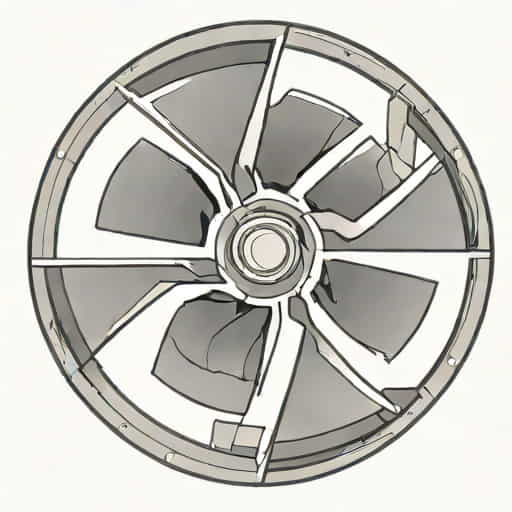
The Eheim 2213 impeller plays a crucial role in the performance of the Eheim Classic 250 (2213) canister filter, helping drive water flow through the aquarium’s filtration system. Without a properly functioning impeller, the filter cannot circulate water effectively, which can lead to reduced filtration, noisy operation, and even poor water quality for fish and plants. Regular maintenance and occasional replacement of the impeller is a normal part of aquarium care, especially for older filters that have been running for years. Understanding how the impeller works, when it needs servicing, and how to keep it clean can help aquarium owners maintain strong flow, quiet operation, and a healthy aquatic environment. In this topic, we explore what the Eheim 2213 impeller is, how it fits into your filter, common issues that can arise, and tips for maintenance so that your filtration system continues working efficiently and reliably.
What Is the Eheim 2213 Impeller?
The impeller in an aquarium canister filter like the Eheim 2213 is a small but powerful rotating component that moves water through the filter’s media and back into the tank. It consists of a rotor and magnet assembly that spins on a ceramic shaft, creating suction that pulls water in and pushes it out through the outlets. The impeller itself is responsible for creating the flow that helps remove debris, waste, and dissolved compounds from aquarium water. When it functions properly, it ensures your aquarium’s water is continuously filtered and oxygenated, contributing to a healthier environment for aquatic life. Genuine replacement parts are recommended to maintain performance and longevity of the filter.
Why the Impeller Matters in Filtration
In any external canister filter, the impeller is effectively the engine of the system. Without a spinning impeller, water stops flowing, and the filter cannot perform its mechanical, biological, and chemical functions. In the Eheim 2213, also known as the Classic 250, the impeller’s rotation supports the filter’s ability to draw water through prefilter sponges, biological media, and out through spray bars or return tubes. A worn or damaged impeller can drastically reduce flow rate and filter efficiency, leading hobbyists to notice slower water movement at the outlet or even complete flow stoppage.
How It Fits Into the Eheim 2213 Filter
The Eheim Classic 250 (2213) canister filter is designed to operate quietly and efficiently for aquariums up to around 250 liters. The impeller is seated inside the pump head assembly, and as it spins, it creates the pressure differential needed for water to move through the filter media. It fits directly onto a ceramic shaft that reduces friction and wear, and the combination of impeller, shaft, and bushings ensures smooth, quiet operation when the filter is primed and submerged.
Signs Your Eheim 2213 Impeller Needs Attention
Because the impeller is a moving part, it naturally experiences wear over time. Recognizing the signs of a failing or dirty impeller can help aquarium owners address issues before they impact fish health or lead to filter damage. Common signs that your impeller may need cleaning or replacement include reduced water flow, unusual noises, vibration, or the filter struggling to start. These symptoms can often be traced back to debris buildup, worn blades, shaft misalignment, or parts that have reached the end of their service life.
Reduced Flow and Performance
If you notice that your Eheim 2213 filter is producing less water flow than it used to, it may be due to the impeller being clogged or worn down. As the impeller blades collect detritus or buildup, they can become unbalanced and spin less efficiently, resulting in slower movement of water back into the tank. This reduced flow can lead to poorer filtration and diminished circulation in the aquarium.
Increased Noise or Vibration
A noisy filter, rattling sound, or unusual vibration often points to an issue with the impeller or its related components. Debris trapped around the impeller housing, a misaligned impeller shaft, or chips on the impeller blades can create irregular rotation that results in buzzing or humming sounds. Sometimes this noise is amplified by air pockets in the pump head or a hollow space around the impeller. Responding quickly to these sounds by inspecting the impeller can save further damage to the filter assembly.
Maintenance and Cleaning Tips
Regular maintenance helps keep the impeller and its housing in good working condition, extending the life of your Eheim 2213 filter. For many hobbyists, cleaning the impeller every few months or whenever flow begins to slow can prevent buildup that causes wear and inefficiency.
Steps for Cleaning
- Unplug the filter and close shutoff valves to prevent water spillage.
- Disconnect hoses and remove the pump head to access the impeller chamber.
- Carefully remove the impeller and inspect it for debris, wear, or damage.
- Clean the impeller and impeller well using a soft brush and aquarium water to avoid harming beneficial bacteria.
- Reassemble the parts, ensuring the shaft and impeller sit correctly before restarting the filter.
Maintaining the rest of the filter-such as rinsing filter media and checking seals-also supports impeller performance by reducing strain and preventing unnecessary debris from reaching the moving parts.
When to Replace the Eheim 2213 Impeller
Even with proper cleaning and maintenance, the impeller will eventually wear out from constant use. Rotors can develop chips, lose balance, or wear the blades down to the point where cleaning no longer restores function. In these cases, replacement is the most effective solution. Genuine Eheim impellers designed for the Classic 250 (2213) ensure compatibility and maintain the manufacturer’s performance standards. Many replacement parts are available, typically referenced by part numbers such as 7632600, and are engineered specifically for models including 2213, 2013, 2113, and 2313 filters.
Choosing the Right Replacement
When replacing an impeller, hobbyists should use parts explicitly designed for their filter model to ensure proper fit and performance. Some kits also include the shaft and bushings, which can be helpful if those components have likewise experienced wear. Ceramic shafts reduce friction and contribute to quieter operation, while rubber bushings help stabilize rotation. Ensuring these parts are in good condition alongside the impeller itself supports smoother, longerlasting operation.
Tips for LongTerm Performance
To get the most out of your Eheim 2213 impeller and filter system
- Perform regular maintenance and cleaning as part of your aquarium care routine.
- Inspect the impeller and shaft for signs of wear or debris buildup.
- Replace worn components promptly to avoid stress on the motor and other parts.
- Ensure your filter stays properly primed and free of air locks after cleaning.
By taking these steps, you can maintain consistent flow rates, protect the health of your aquarium’s ecosystem, and enjoy quieter and more reliable filtration performance with your Eheim 2213 canister filter.
The Eheim 2213 impeller is a small but vital component in the Classic 250 canister filter, responsible for moving water efficiently through the aquarium’s filtration system. Regular cleaning, inspection, and eventual replacement of the impeller help sustain strong water flow, quiet operation, and effective filtration. Paying attention to signs like reduced flow or unusual noise can alert aquarists to potential impeller issues early, preventing more significant problems down the line. Using genuine replacement parts and maintaining the impeller as part of a routine care plan ensures that the Eheim 2213 continues to support a healthy and vibrant aquarium environment for fish and plants alike.