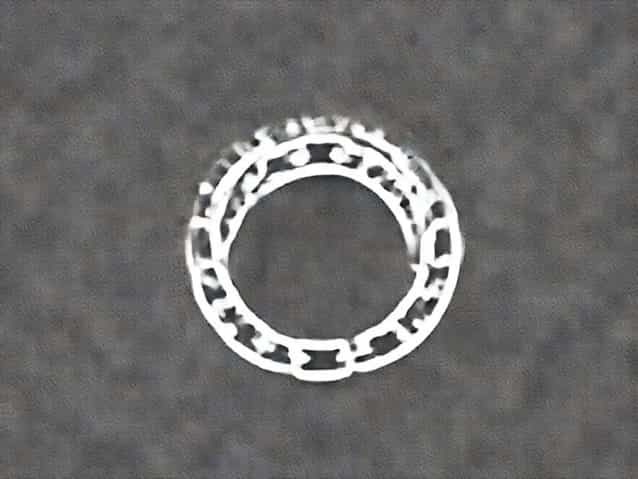
A circle chain is a popular type of jewelry that typically features interconnected circular links forming a flexible and stylish chain. Whether used for necklaces, bracelets, anklets, or even keychains, circle chains have become a timeless piece in many wardrobes. One of the most common questions shoppers ask is how much is a circle chain? The answer isn’t simple because the price varies widely based on several factors such as material, length, thickness, craftsmanship, brand, and where you buy it. Understanding these variables can help you find the right circle chain that fits both your style and budget. In this topic, we’ll explore the main factors that influence the cost of a circle chain, typical price ranges, tips for choosing the best value purchase, and additional considerations when shopping for this type of jewelry.
Materials and Their Impact on Price
The material of a circle chain is one of the most important factors in determining how much it costs. Jewelry materials range from affordable metals like stainless steel to high-end precious metals like gold and platinum. Each material comes with its own characteristics and price points.
Base Metals
Circle chains made from base metals are generally the most affordable options. These include metals such as stainless steel, brass, and copper. While they are not as valuable as precious metals, base metal chains can still look attractive and be durable for everyday wear.
- Stainless steel circle chain Often ranges from $10 to $50 depending on thickness and finish.
- Brass circle chain Typically $15 to $40, with occasional plated finishes.
- Copper circle chain About $20 to $60, depending on design complexity.
These base metal chains are ideal for casual jewelry, fashion rings, or accessories where cost is a priority and long-term value is less critical.
Silver Circle Chains
Silver is one of the most popular metals for jewelry due to its bright appearance and reasonable price. Circle chains made from sterling silver (92.5% pure silver) are more expensive than base metals but still affordable for many buyers.
- Sterling silver circle chain (lightweight) $50 to $120.
- Sterling silver circle chain (heavier or designer style) $120 to $250.
Silver chains can be polished or oxidized for stylistic effects, and their price may increase slightly based on craftsmanship or brand reputation. They are a good choice for wearable jewelry that balances quality and cost.
Gold Circle Chains
Gold circle chains are considerably more expensive due to the value of gold as a precious metal. Prices vary depending on the karat (purity) of gold, such as 14K or 18K, and whether the gold is yellow, white, or rose toned. The weight and overall length of the chain also play a significant role.
- 14K gold circle chain (light weight, thin) $300 to $700.
- 14K gold circle chain (medium weight) $700 to $1,500.
- 18K gold circle chain (premium weight) $1,500 to $3,000 or more.
Gold-plated chain versions exist at lower prices, often ranging from $50 to $200, but they are not considered the same quality as solid gold. Solid gold chains hold value and are often bought as investment pieces as well as fashion statements.
Platinum and Other Precious Metals
Circle chains made from platinum or other rare precious metals are typically at the highest end of the price spectrum because of metal rarity and durability. Platinum jewelry is known for its strength and resistance to wear.
- Platinum circle chain $2,000 to $5,000 or more, depending on weight.
- Palladium circle chain $1,000 to $3,000, depending on size and style.
These premium options are often chosen for heirloom-quality jewelry, luxury gifts, or special occasions where both appearance and lasting value are key considerations.
Length and Weight Considerations
Another key factor in how much a circle chain costs is its length and weight. Longer or heavier chains require more material, which directly increases the price. Most retailers price jewelry based on weight in grams, especially for precious metals like silver, gold, and platinum.
Standard Lengths
Circle chains typically come in a range of standard lengths for necklaces
- 16 inches – often called a choker length.
- 18 inches – common and versatile for most necklines.
- 20 inches and longer – for a more dramatic or layered look.
Shorter chains generally cost less than longer ones because they use less material. Similarly, thicker circle chains weigh more and therefore cost more than thin, delicate designs.
Craftsmanship and Design
The skill and time required to craft a circle chain also influence the price. Simple, machine-made links are more affordable, while handmade designs or chains with intricate patterns can be significantly more expensive. Artisan jewelry makers often charge more because their work involves detailed craftsmanship and unique touches that mass-produced chains do not have.
Handmade vs. Manufactured
- Mass-manufactured circle chain – generally lower cost due to efficient production.
- Handmade designer circle chain – higher price due to craftsmanship and uniqueness.
Some designers also add finishes like engraving, texturing, or mixed metals, which elevate both style and cost. Personalized or customized circle chains may require additional labor and materials, affecting the final price.
Brand and Retailer Influence
The brand name and where you purchase your circle chain can affect how much you pay. Well-known jewelry brands often charge more due to reputation, quality assurances, and branding costs. Boutique shops and artisan markets may also price their items higher because of exclusivity and handcrafted quality.
- Big-box retailers – typically more affordable prices.
- Specialty jewelry stores – mid-range pricing with quality assurance.
- Luxury brands and designers – highest price points with premium materials and name recognition.
Online marketplaces often offer competitive pricing, but it’s important to verify authenticity and materials, especially with precious metals, to ensure you are getting true value for your money.
Where to Buy a Circle Chain
Shoppers can find circle chains in many places, including jewelry stores, department store jewelry counters, online retailers, artisan markets, and pawn shops. Each buying option has its own pricing trends. For example, online retailers may have lower overhead and offer better pricing than physical storefronts. On the other hand, in-store purchases allow you to inspect the chain and ask questions before buying.
Second-hand or pre-owned circle chains can also be a cost-effective choice. These items often sell at lower prices than new pieces, and if they are made from precious metals, they still retain intrinsic value.
Tips for Buying
- Verify the metal content and authenticity, especially for silver and gold chains.
- Compare prices across multiple sellers before purchasing.
- Consider the return policy and warranty if buying online.
- Check weight and length to understand how they affect the price.
- Look for hallmark stamps on precious metals to confirm purity.
How much a circle chain costs depends on a variety of factors including material, length, weight, craftsmanship, brand, and where you buy it. Prices can range from under $20 for basic base metal chains to several thousand dollars for high-quality gold or platinum designs. Silver chains typically fall somewhere in the mid-range, offering a balance of quality and affordability. Understanding the key price drivers and shopping carefully can help you find a chain that fits your style and budget. Whether you are buying a circle chain as a gift, a daily accessory, or a special keepsake, knowing how pricing works ensures you make an informed purchase with lasting satisfaction.