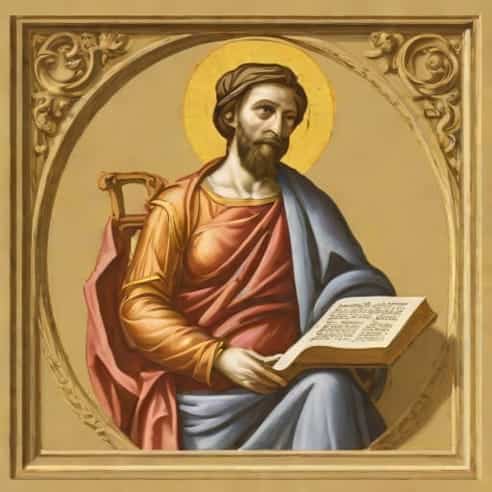
The Libyan Sibyl in the Sistine Chapel is one of the most celebrated and enigmatic figures of Michelangelo’s frescoes, capturing the imagination of art lovers, historians, and scholars for centuries. Located on the ceiling of the Sistine Chapel in Vatican City, this figure represents a prophetess from classical mythology who was believed to have foretold the coming of Christ. Michelangelo’s portrayal of the Libyan Sibyl combines powerful physicality with expressive grace, reflecting both Renaissance ideals of human anatomy and a deep spiritual symbolism. Her dynamic pose, intricate drapery, and intense gaze contribute to a sense of movement and vitality that makes her one of the most iconic figures in the chapel. Understanding the Libyan Sibyl involves exploring her historical, artistic, and cultural significance, as well as Michelangelo’s revolutionary approach to fresco painting.
Historical and Mythological Background
The concept of the Sibyl originates from ancient Greek and Roman mythology, where Sibyls were women believed to possess prophetic abilities, often delivering oracles inspired by the gods. The Libyan Sibyl, in particular, was thought to have resided in North Africa and was considered one of the most important prophetic figures in classical tradition. During the Renaissance, Christian scholars interpreted the Sibyls as precursors to Christ, suggesting that their prophecies foreshadowed the coming of the Messiah. Michelangelo included five Sibyls in the Sistine Chapel ceiling, with the Libyan Sibyl positioned prominently due to her symbolic importance. She embodies the Renaissance fascination with the classical world while simultaneously linking it to Christian theology, reflecting the intellectual and spiritual synthesis of the period.
Symbolism of the Libyan Sibyl
- Prophetic PowerRepresents divine foresight and the anticipation of Christ.
- Strength and AuthorityHer muscular form conveys physical and spiritual power.
- Connection to Classical AntiquityIncorporates Greco-Roman aesthetics into Christian art.
- Movement and DynamismThe twisting posture suggests active engagement with divine inspiration.
- Spiritual ReflectionEncourages contemplation of prophecy, faith, and human potential.
Michelangelo’s Artistic Approach
Michelangelo’s portrayal of the Libyan Sibyl is remarkable for its combination of anatomical precision, dramatic posture, and expressive gesture. Unlike earlier representations of female figures in religious art, Michelangelo emphasizes muscularity and strength, reflecting his deep study of the human form. The Sibyl’s body is depicted in a twisting contrapposto pose, creating a sense of motion and energy that animates the ceiling. Her drapery flows naturally around her torso and limbs, emphasizing the contours of her body and enhancing the overall sense of movement. This technique, known as figura serpentinata, became a hallmark of Renaissance art and demonstrates Michelangelo’s ability to blend classical ideals with innovative composition.
Key Artistic Features
- Dynamic PoseThe twisting torso and extended limbs convey energy and life.
- Muscular DefinitionDetailed anatomy emphasizes strength and human potential.
- Expressive GazeEyes and facial expression suggest contemplation and foresight.
- Flowing DraperyEnhances the sense of movement and highlights her form.
- Color and LightMichelangelo uses vibrant pigments and subtle shading to create depth.
Position in the Sistine Chapel Ceiling
The Libyan Sibyl occupies a central position among the other Sibyls and prophets painted on the Sistine Chapel ceiling, reflecting her importance within Michelangelo’s theological and artistic framework. She is typically located near the corner of the ceiling, where her twisting pose and upward glance guide the viewer’s eye toward the narrative scenes in the central panels. This strategic placement enhances the visual flow of the entire ceiling, creating a dynamic interplay between human figures, divine themes, and architectural elements. By positioning the Libyan Sibyl in a way that interacts with the surrounding frescoes, Michelangelo emphasizes her role as an intermediary between the classical world and Christian revelation.
Relationship with Other Figures
- Adjacent to biblical prophets, linking classical and Christian prophecy.
- Engages the viewer with her gaze and posture, creating an interactive visual experience.
- Complements the overall rhythm and composition of the ceiling frescoes.
- Serves as a bridge between the Old Testament scenes and the overarching Christian narrative.
- Highlights Michelangelo’s ability to harmonize individual figures within a complex visual program.
Restoration and Preservation
Over the centuries, the Sistine Chapel ceiling has undergone extensive restoration and preservation efforts to maintain the vibrancy and detail of Michelangelo’s frescoes. The Libyan Sibyl, like other figures, benefited from careful cleaning, which revealed the original color palette and intricate details previously obscured by grime and candle smoke. Restoration projects have highlighted Michelangelo’s masterful use of pigments, subtle shading, and layering techniques. Preservation is ongoing, as the ceiling is exposed to environmental factors, humidity, and the constant presence of visitors. Maintaining the integrity of the Libyan Sibyl ensures that future generations can continue to appreciate her artistic and symbolic significance.
Techniques Used in Restoration
- Cleaning of soot and accumulated dirt using specialized solvents and tools.
- Stabilization of plaster and paint to prevent flaking and deterioration.
- Color analysis to restore original hues without altering Michelangelo’s intent.
- Documentation and monitoring for ongoing conservation efforts.
- Public education on proper viewing and preservation methods.
Influence and Legacy
The Libyan Sibyl has influenced generations of artists, scholars, and cultural enthusiasts, serving as a testament to Michelangelo’s genius. Her portrayal has inspired studies in anatomy, Renaissance art techniques, and the integration of classical motifs into religious art. Modern artists often reference her twisting form and dynamic posture in contemporary works, demonstrating the enduring appeal of Michelangelo’s approach. The figure also holds cultural significance, as it represents a synthesis of mythology, prophecy, and artistic mastery that continues to resonate with audiences around the world. Through her strength, elegance, and symbolic depth, the Libyan Sibyl remains one of the most iconic and studied figures of the Sistine Chapel ceiling.
Modern Interpretations
- Art historians analyze her pose as an example of contrapposto and figura serpentinata.
- Artists use her dynamic form to explore movement and expression in contemporary works.
- Cultural references in literature, film, and media highlight her enduring influence.
- Symbolism of prophecy and insight continues to inspire discussions on faith and human potential.
- Educational programs emphasize her significance in Renaissance art and theology.
The Libyan Sibyl of the Sistine Chapel remains a masterful example of Michelangelo’s ability to merge classical influence, spiritual symbolism, and anatomical precision into a single, compelling figure. Her dynamic pose, expressive gaze, and flowing drapery create a sense of life and energy that continues to captivate viewers. As a symbol of prophecy, strength, and human potential, she bridges the worlds of ancient mythology and Christian theology, embodying the intellectual and artistic achievements of the Renaissance. Through careful preservation and ongoing study, the Libyan Sibyl endures as an iconic figure in art history, inspiring generations of artists and admirers alike. Her presence on the ceiling of the Sistine Chapel serves as a timeless reminder of Michelangelo’s unparalleled skill and the enduring power of art to convey both beauty and meaning.