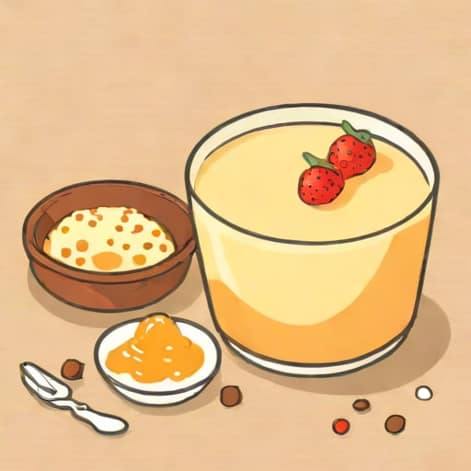
Tapioca pudding is a classic dessert that has been cherished for generations due to its creamy texture, subtle sweetness, and comforting flavor. Made from small tapioca pearls, milk, sugar, and often enhanced with vanilla or eggs, this pudding offers a unique combination of smoothness and slight chewiness that appeals to both children and adults. While the traditional version has been enjoyed for decades, modern adaptations allow for variations with coconut milk, chocolate, or fruit toppings, making it a versatile dessert for any occasion. Mastering a simple tapioca pudding recipe at home ensures a delicious and satisfying treat that is easy to prepare yet impressive in taste and presentation. By following the right steps and understanding key tips, anyone can create a perfect batch of tapioca pudding with rich flavor and ideal consistency.
Ingredients for Tapioca Pudding
High-quality ingredients are essential for a smooth and flavorful tapioca pudding. Choosing the right type of tapioca pearls, milk, and flavoring makes a significant difference in the final dish.
Main Ingredients
- Small or medium tapioca pearls (1/2 cup)
- Whole milk or a dairy alternative like coconut milk (2 cups)
- Granulated sugar (1/3 cup, adjust to taste)
- Eggs (2 large, optional for a richer pudding)
- Vanilla extract (1 teaspoon)
- Salt (a pinch to enhance flavor)
Optional Ingredients
- Cinnamon or nutmeg for added warmth
- Fresh or dried fruit, such as berries or raisins
- Chocolate chips for a dessert twist
- Whipped cream for garnish
Preparation Steps for Tapioca Pudding
Making tapioca pudding involves soaking the pearls, cooking them slowly to achieve a creamy consistency, and adding flavoring. Attention to timing and temperature ensures the pearls cook evenly without clumping or sticking.
Step 1 Soak the Tapioca
Place the tapioca pearls in a bowl and cover them with water. Let them soak for at least 30 minutes or according to package instructions. Soaking helps soften the pearls and shortens cooking time, ensuring an even texture in the final pudding.
Step 2 Heat the Milk
In a medium saucepan, combine the milk, sugar, and a pinch of salt. Heat over medium heat until the mixture is warm but not boiling. Stir occasionally to prevent scalding. Warm milk helps the tapioca cook evenly and incorporates the sugar effectively.
Step 3 Cook the Tapioca
Drain the soaked tapioca pearls and add them to the warm milk. Reduce the heat to low and cook gently, stirring frequently to prevent sticking. This process typically takes 15-20 minutes, and the mixture should become translucent and start thickening.
Step 4 Incorporate Eggs (Optional)
For a richer pudding, whisk the eggs in a separate bowl. Temper the eggs by adding a small amount of the hot milk-tapioca mixture to them gradually, then stir the egg mixture back into the saucepan. Continue cooking on low heat, stirring constantly, until the pudding thickens and coats the back of a spoon.
Step 5 Add Flavoring
Remove the pudding from heat and stir in vanilla extract. You can also add a pinch of cinnamon, nutmeg, or other flavorings at this stage. Taste and adjust sweetness if needed. Allow the pudding to cool slightly before serving or refrigerating.
Step 6 Serve or Chill
Tapioca pudding can be served warm or chilled, depending on preference. Pour into individual serving dishes and garnish with fruit, whipped cream, or a sprinkle of cinnamon. If refrigerating, cover with plastic wrap directly on the surface of the pudding to prevent a skin from forming.
Serving Suggestions for Tapioca Pudding
Tapioca pudding is versatile and can be served in multiple ways, making it suitable for casual meals or elegant dessert presentations.
Classic Presentation
- Serve in small glass bowls or ramekins
- Top with a sprinkle of cinnamon or nutmeg
- Add a dollop of whipped cream for richness
Fruit Variations
- Top with fresh berries, mango, or sliced bananas for color and flavor
- Incorporate dried fruit such as raisins or chopped dates during cooking
- Serve with a fruit compote or sauce for an added layer of taste
Flavor Enhancements
- Mix in cocoa powder or melted chocolate for a chocolate tapioca pudding
- Use coconut milk instead of regular milk for a tropical flavor
- Add a hint of almond or orange extract for a unique twist
Tips for Perfect Tapioca Pudding
Perfecting tapioca pudding requires careful attention to ingredient preparation, cooking temperature, and timing. These tips ensure smooth, creamy, and flavorful results.
Use Small or Medium Tapioca Pearls
Small or medium pearls cook evenly and provide the ideal texture. Large pearls may require longer cooking and can result in uneven consistency.
Stir Frequently
Continuous stirring during cooking prevents pearls from clumping or sticking to the bottom of the pan. Use a heat-resistant spatula or wooden spoon for best results.
Monitor Temperature
Cook on low to medium heat. High heat can cause the milk to scorch or the pudding to thicken too quickly, resulting in a grainy texture.
Proper Cooling and Storage
Allow the pudding to cool slightly before serving. For refrigeration, cover the surface with plastic wrap to prevent a skin from forming. Tapioca pudding can be stored in the refrigerator for 3-4 days.
Variations of Tapioca Pudding
Tapioca pudding can be customized with different flavors, textures, and toppings to suit personal taste or seasonal ingredients.
Coconut Tapioca Pudding
Replace some or all of the milk with coconut milk for a creamy, tropical version. Top with toasted coconut flakes for added texture and flavor.
Chocolate Tapioca Pudding
Add cocoa powder or melted chocolate to the milk before adding tapioca pearls. This variation is ideal for chocolate lovers and can be garnished with chocolate shavings or a drizzle of chocolate sauce.
Fruit-Infused Tapioca Pudding
Blend cooked tapioca pudding with pureed fruit such as mango, strawberries, or blueberries for a colorful and flavorful twist. Serve chilled with additional fresh fruit on top.
Vegan Tapioca Pudding
Use plant-based milk such as almond, soy, or oat milk, and omit eggs. Sweeten with maple syrup, agave, or sugar. This variation is suitable for vegan or dairy-free diets while still maintaining a creamy consistency.
Storage and Leftover Tips
Tapioca pudding can be stored and enjoyed over several days, making it a convenient dessert option for busy households.
Refrigeration
Store in airtight containers in the refrigerator for up to four days. Covering the surface with plastic wrap prevents skin formation and keeps the texture smooth.
Reheating
Gently reheat leftover tapioca pudding on the stove over low heat, stirring frequently. Add a splash of milk to restore creaminess if needed. Avoid high heat to prevent burning or curdling.
Freezing
Freezing tapioca pudding is not recommended as it can alter the texture of the pearls. If needed, store in small portions and thaw slowly in the refrigerator before serving.
Recipe for tapioca pudding provides a comforting and versatile dessert that is both simple to prepare and delicious. By using quality ingredients like fresh milk, tapioca pearls, and flavoring agents such as vanilla or coconut, anyone can create a creamy, smooth, and satisfying pudding. Following proper preparation steps, including soaking the tapioca, careful cooking, and optional incorporation of eggs, ensures a consistent texture and flavor. Variations like chocolate, coconut, fruit-infused, or vegan options allow for customization according to taste or dietary preferences. Serving with fresh fruit, whipped cream, or other garnishes enhances the presentation and enjoyment of this classic dessert. With these tips and techniques, tapioca pudding can be transformed into a delightful treat that appeals to both traditional and modern palates, making it a timeless addition to any dessert repertoire.