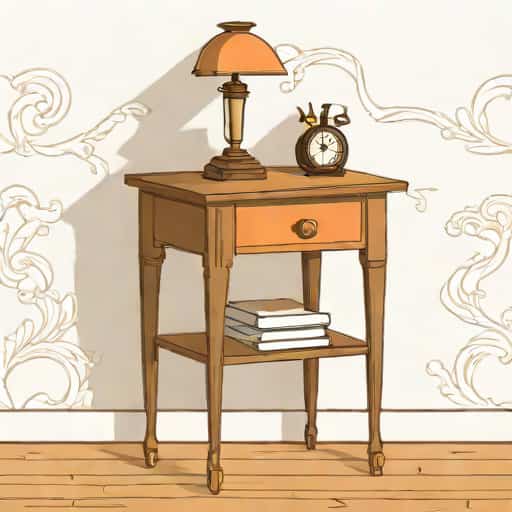
The Victorian bedside table is a classic piece of furniture that has stood the test of time, representing elegance, craftsmanship, and functional design from the 19th century. Often crafted from rich woods like mahogany, oak, or walnut, these tables were designed not only to serve practical purposes but also to enhance the aesthetic of the bedroom. Victorian design is characterized by intricate details, ornamental carvings, and a focus on symmetry, making the bedside table a miniature representation of the era’s grandeur. While originally intended to hold essentials such as lamps, books, or personal items, these tables have evolved to become collectible antiques and modern reproductions, blending historical charm with contemporary functionality. The Victorian bedside table remains a popular choice for those who appreciate classic style, durability, and the timeless appeal of finely crafted furniture.
History and Origins
The Victorian period, spanning the reign of Queen Victoria from 1837 to 1901, was marked by a fascination with elaborate designs and a growing middle class that sought luxurious home furnishings. The bedside table became an essential part of the bedroom, reflecting both social status and personal taste. During this era, bedrooms transformed from purely functional spaces to areas of comfort and decoration, and the bedside table played a crucial role in this shift.
Early Victorian tables were often influenced by preceding styles such as Rococo and Gothic Revival, incorporating ornate carvings, turned legs, and decorative motifs. The industrial revolution also allowed for mass production techniques that made these elegant pieces more accessible, though high-quality handcrafted versions remained highly prized among the wealthy.
Design Characteristics
Victorian bedside tables are immediately recognizable for their attention to detail and distinctive features. The design often combines practicality with decoration, resulting in furniture that is both useful and visually appealing. Common characteristics include carved wooden surfaces, decorative inlays, brass or metal handles, and elaborate feet or legs.
Materials
The choice of wood was significant, as it conveyed luxury and durability. Mahogany, walnut, and oak were frequently used for their strength, fine grain, and ability to hold intricate carvings. Some tables featured veneers of exotic woods or inlays of mother-of-pearl, enhancing their visual appeal. High-quality Victorian tables were polished to a smooth finish, highlighting the richness of the wood and the craftsmanship involved.
Ornamentation
Ornamental details distinguish Victorian bedside tables from more modern minimalist designs. Carvings of floral patterns, scrolls, and geometric motifs are common, reflecting the Victorian love for elaborate decoration. Handles and knobs were often made of brass or porcelain, adding a touch of elegance. These decorative elements were not merely for aesthetics; they also demonstrated the skill of the craftsmen and the status of the household.
Structural Design
Structurally, Victorian bedside tables were designed to be both functional and sturdy. Many included drawers or cabinets for storage, allowing users to keep personal items, books, or toiletries close at hand. The height and surface area were carefully proportioned to accommodate lamps, clocks, or vases while maintaining harmony with the overall bedroom furniture set. Some tables featured additional shelves or mirrored backs, combining utility with aesthetic enhancement.
Functionality and Uses
While decorative appeal is a major aspect of Victorian bedside tables, their practical use was equally important. These tables served as convenient storage solutions and surfaces for items needed during the night. They often held oil lamps, candle holders, or personal trinkets, providing accessibility and organization in the bedroom.
Modern Adaptations
Today, Victorian-style bedside tables are used both as functional furniture and as statement pieces in interior design. Modern adaptations often incorporate electrical outlets, charging ports, or simplified storage solutions to meet contemporary needs while preserving the classic design elements. These tables can complement a variety of bedroom styles, from traditional to eclectic, adding a touch of historical charm and elegance.
Collecting and Antique Value
Authentic Victorian bedside tables are highly valued by collectors due to their craftsmanship, age, and historical significance. Factors influencing value include the type of wood, the intricacy of carvings, original hardware, and overall condition. Antique dealers and enthusiasts often seek tables that retain their original finishes and details, as these pieces offer a tangible connection to the past.
- Original wood quality and type affect valuation
- Preservation of original hardware and handles increases desirability
- Provenance and historical context can add to collectible value
- Rarity of design and unique carvings make pieces more sought-after
Styling with Victorian Bedside Tables
In interior design, Victorian bedside tables can serve as focal points or complementary pieces. Their rich wood tones and intricate detailing can be paired with modern bedding, vintage-inspired lamps, or antique accessories to create a cohesive and inviting bedroom atmosphere. Choosing complementary textiles and decorative objects enhances the table’s aesthetic without overwhelming the space.
Decorating Tips
- Pair with soft lighting such as lamps with fabric shades to enhance warmth
- Use small decorative trays or bowls to organize jewelry or personal items
- Mix textures with bedding, curtains, and rugs to balance ornate furniture
- Combine with complementary antique or reproduction furniture for a cohesive Victorian look
Maintenance and Care
Maintaining a Victorian bedside table requires attention to both its wood and decorative elements. Regular dusting with a soft cloth helps preserve the finish, while occasional polishing can enhance the wood’s natural luster. Care should be taken with ornate carvings and inlays, avoiding excessive moisture or harsh cleaning agents that could damage delicate details. For antique pieces, professional restoration may be recommended to address wear while maintaining authenticity.
The Victorian bedside table is more than just a piece of furniture; it is a reflection of a historical period known for elegance, craftsmanship, and attention to detail. Combining practical functionality with ornate design, these tables remain a symbol of classic style and enduring quality. Whether used as an antique collectible, a statement piece in modern interiors, or a functional bedside solution, Victorian bedside tables continue to captivate enthusiasts with their beauty, history, and versatility. Their timeless appeal ensures that they remain relevant in contemporary decor while honoring the artistic and cultural achievements of the Victorian era.