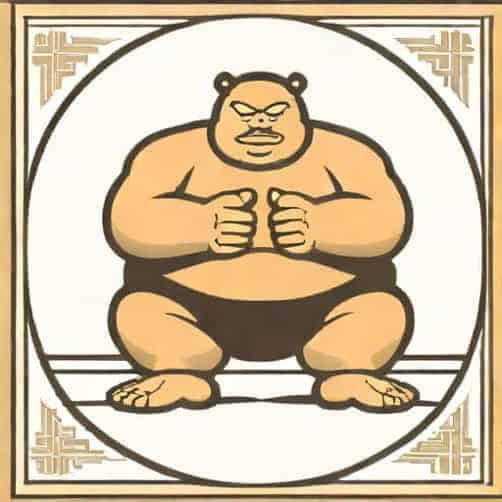
Sumo wrestling is a traditional Japanese sport that combines physical strength, strategy, and ritual, making it one of the most unique and culturally significant forms of wrestling in the world. Rooted in centuries of history, sumo is more than just a competitive sport; it is a living tradition that reflects Japanese culture, religion, and social structure. The sport involves two wrestlers, known as rikishi, who compete in a circular ring called a dohyo, attempting to force each other out of the ring or make any part of the opponent’s body other than the soles of the feet touch the ground. Sumo wrestling has a distinct set of rules, ceremonial practices, and ranking systems that distinguish it from other wrestling styles, drawing global interest while remaining deeply tied to its Japanese origins.
History of Sumo Wrestling
Sumo wrestling dates back over a thousand years, with origins in Shinto rituals performed to entertain the gods and pray for a good harvest. Early sumo was closely linked to religious ceremonies, and many of the traditions observed today, such as the pre-match rituals and symbolic movements, have their roots in these ancient practices. During the Edo period, sumo evolved into a professional sport, with organized tournaments, formalized rankings, and widespread popularity across Japan. Today, sumo continues to honor these historical roots while functioning as a competitive and highly disciplined sport.
Evolution into Modern Sumo
- Initial use as Shinto ritual to ensure good harvests.
- Development of formal rules and weight divisions during the Edo period.
- Establishment of professional sumo stables (heya) for training wrestlers.
- Modern tournaments (basho) attracting both national and international attention.
Rules and Objectives of Sumo
The main objective in sumo wrestling is straightforward a rikishi wins by forcing their opponent out of the circular ring or causing them to touch the ground with any body part other than their feet. Matches are typically short, often lasting only a few seconds to a minute, but they require immense strength, skill, and strategy. Wrestlers use a combination of pushing, shoving, lifting, and throwing techniques while maintaining balance and leveraging their body weight effectively.
Key Rules in Sumo
- Matches take place in a circular ring called a dohyo, made of clay and covered with sand.
- Wrestlers wear a mawashi, a thick belt that can be used to grip and maneuver the opponent.
- Stepping out of the ring or touching the ground with any part of the body other than the soles of the feet results in a loss.
- No striking with fists, hair pulling, or eye gouging is allowed.
- Pre-match rituals, including clapping hands, stomping, and throwing salt, are performed to purify the ring and ward off evil spirits.
Training and Lifestyle of Sumo Wrestlers
Sumo wrestlers live highly disciplined lives, often beginning training in adolescence. They typically reside in sumo stables, or heya, where they follow strict daily routines that include intensive training, eating specific diets to gain weight, and adhering to hierarchical social structures. Lifestyle and training are as much about mental discipline as physical strength, with senior wrestlers mentoring younger rikishi and instilling traditions and values that extend beyond the dohyo.
Training Components
- Early morning practice focusing on basic techniques and strength exercises.
- Ritual and ceremonial training to honor sumo traditions.
- Physical conditioning, including squats, push-ups, and shiko (leg stomping exercises).
- Learning strategies and tactics to anticipate and counter opponents’ moves.
- Dietary regimen designed to maintain high body mass and energy levels.
Sumo Ranking System
Sumo wrestlers are ranked according to a hierarchical system that reflects their skill, experience, and tournament performance. The highest rank is Yokozuna, reserved for the most accomplished and dominant wrestlers, while lower ranks include Ozeki, Sekiwake, Komusubi, and Maegashira. Promotion and demotion are based on performance in official tournaments, known as honbasho, which occur six times a year. Rankings play a significant role in a wrestler’s status, salary, and privileges within the sumo community.
Significance of Rankings
- Yokozuna Highest rank, signifies exceptional skill and character.
- Ozeki Champion-level rank with potential to be promoted to Yokozuna.
- Sekiwake and Komusubi Junior champion ranks indicating rising talent.
- Maegashira Entry-level top division wrestlers, often facing challenging opponents.
Ceremonial Practices in Sumo
Sumo wrestling is deeply ceremonial, with rituals performed before and during matches to honor tradition and spiritual beliefs. Rituals include the dohyō-iri, or ring-entering ceremony, performed by high-ranking wrestlers, and the throwing of salt to purify the ring. These ceremonies reflect sumo’s Shinto origins and emphasize respect, discipline, and reverence for the sport. Ceremonial practices are integral to sumo and distinguish it from other combat sports worldwide.
Common Rituals
- Shiko Stomping exercises performed to demonstrate strength and ward off evil spirits.
- Salt Throwing Purifies the ring and symbolizes protection.
- Clapping Hands Invites good spirits and signals readiness for competition.
- Formal Ring Entrance Showcases rank and respect for tradition.
Global Popularity and Influence
While sumo wrestling is a distinctly Japanese sport, it has attracted global attention due to its unique combination of athleticism, strategy, and tradition. International competitors from countries such as Mongolia, the United States, and Eastern Europe have risen to prominence in professional sumo, demonstrating the sport’s growing global appeal. Sumo tournaments are broadcast worldwide, and enthusiasts study the techniques, rituals, and culture associated with the sport, further expanding its influence beyond Japan.
International Participation
- Foreign wrestlers achieving high ranks, including Yokozuna and Ozeki, particularly from Mongolia.
- Sumo clubs and amateur tournaments established in countries outside Japan.
- Global media coverage bringing attention to sumo’s cultural and athletic significance.
Health and Physical Aspects
Sumo wrestlers possess remarkable strength, agility, and endurance despite their large body size. Training emphasizes explosive power, balance, and technique rather than mere bulk. However, the lifestyle required to maintain high body mass can present health challenges, such as cardiovascular strain and joint stress. Modern approaches focus on balancing the sport’s traditions with improved health management to ensure wrestlers can perform at their best while maintaining longevity and well-being.
Physical Training
- Strength training with bodyweight exercises, resistance techniques, and sparring.
- Agility drills to improve footwork and reaction speed in the dohyo.
- Flexibility exercises to reduce the risk of injury during matches.
- Endurance workouts that support prolonged bouts and tournament demands.
Sumo wrestling is a unique blend of sport, tradition, and culture, representing centuries of Japanese heritage. With its strict rules, ceremonial practices, hierarchical ranking system, and rigorous training, sumo offers far more than a competitive wrestling experience. It embodies discipline, respect, and a connection to spiritual and historical roots. Whether appreciated for its athletic prowess, cultural significance, or global appeal, sumo wrestling remains one of the most fascinating and distinctive sports in the world. Understanding what sumo wrestling entails provides insight into the dedication and skill required of rikishi and the rich traditions that continue to define this ancient sport.