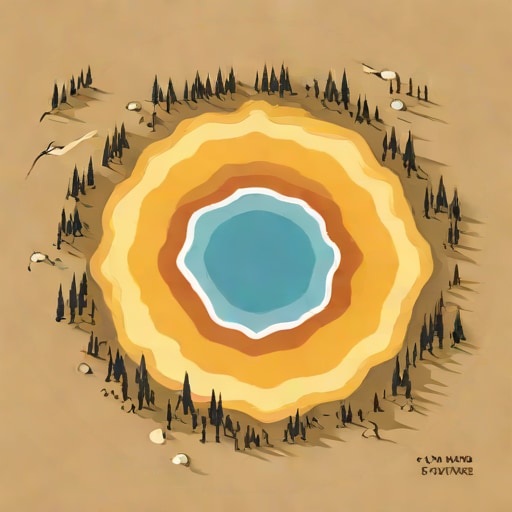
The Yellowstone Caldera Hemisphere is a geological marvel that represents one of the most fascinating and potentially volatile volcanic systems on Earth. Located primarily in the northwest region of Wyoming, and extending slightly into Montana and Idaho, the Yellowstone Caldera is often referred to as a supervolcano due to its immense size and potential for catastrophic eruptions. This caldera, which is a large volcanic depression formed after a massive eruption, spans approximately 30 by 45 miles and covers much of Yellowstone National Park. The study of the Yellowstone Caldera Hemisphere provides critical insights into volcanology, geothermal activity, and the dynamic processes of the Earth’s crust. Its unique geological features, including geysers, hot springs, fumaroles, and hydrothermal vents, make it a site of immense scientific interest and a natural wonder for visitors from around the world.
Formation of the Yellowstone Caldera Hemisphere
The Yellowstone Caldera Hemisphere formed as a result of a series of massive volcanic eruptions over the past 2.1 million years. The first major eruption, known as the Huckleberry Ridge eruption, occurred approximately 2.1 million years ago, creating a large caldera and depositing ash over a wide area of North America. Subsequent eruptions, including the Mesa Falls eruption 1.3 million years ago and the Lava Creek eruption 640,000 years ago, further shaped the caldera and contributed to the extensive volcanic landscape present today. These eruptions were so powerful that they ejected enormous volumes of volcanic material, reshaped the land, and created the broad, hemispherical depression known as the Yellowstone Caldera Hemisphere.
Geological Features
The Yellowstone Caldera Hemisphere contains a variety of geological features that are typical of supervolcanoes. These include
- Caldera FloorA wide depression resulting from the collapse of land following massive volcanic eruptions.
- Rhyolitic Lava FlowsThick flows of high-silica lava that have cooled and solidified over time.
- Hydrothermal SystemsGeysers, hot springs, mud pots, and fumaroles that are fed by geothermal heat from the underlying magma chamber.
- Volcanic DomesSmall uplifted structures formed by the extrusion of viscous lava.
These features not only define the landscape of the Yellowstone Caldera Hemisphere but also provide valuable information about the dynamics of supervolcanic systems, the movement of magma, and the interactions between heat, water, and rock.
Geothermal Activity
One of the most remarkable aspects of the Yellowstone Caldera Hemisphere is its intense geothermal activity. The caldera is home to more than 10,000 geothermal features, including some of the most famous geysers and hot springs in the world. The heat driving this activity originates from a partially molten magma chamber beneath the caldera, which lies several kilometers below the surface. As groundwater seeps into the hot rock, it heats up, rises to the surface, and produces features such as geysers and fumaroles. These geothermal phenomena are not only visually striking but also provide important clues about the behavior of the underlying magma and the potential for future volcanic activity.
Geysers and Hot Springs
Geysers in the Yellowstone Caldera Hemisphere, including Old Faithful, erupt periodically due to the pressure buildup from heated groundwater. Hot springs, such as the Grand Prismatic Spring, display vivid colors caused by thermophilic microorganisms that thrive in high-temperature environments. These features illustrate the complex interplay of heat, water, and minerals that defines the geothermal landscape of the caldera.
Volcanic Hazards
The Yellowstone Caldera Hemisphere is classified as a supervolcano, meaning that its eruptions have the potential to be exceptionally large and catastrophic. While there have been no massive eruptions in recent history, the caldera remains an active volcanic system, and scientists closely monitor it for signs of increased activity. Potential hazards associated with the Yellowstone Caldera Hemisphere include
- Large-scale EruptionsWhile unlikely in the near future, a major eruption could produce widespread ashfall, pyroclastic flows, and environmental disruptions.
- EarthquakesFrequent seismic activity occurs as the crust adjusts to the movement of magma and hydrothermal fluids.
- Hydrothermal ExplosionsSudden eruptions of steam and hot water from the geothermal system can occur locally, creating craters and damaging nearby areas.
Monitoring networks around the caldera, including seismographs, GPS stations, and geothermal sensors, provide real-time data that help scientists assess the potential for volcanic activity and ensure public safety.
Scientific Importance
The Yellowstone Caldera Hemisphere serves as a natural laboratory for studying volcanic processes, geothermal systems, and the behavior of supervolcanoes. Researchers study the chemical composition of geysers, the patterns of seismic activity, and the deformation of the caldera floor to gain insights into the dynamics of large volcanic systems. Additionally, the caldera provides opportunities to understand the ecological impacts of geothermal activity and the ways in which life adapts to extreme environments. Studies of Yellowstone contribute to our broader understanding of volcanic hazards and help improve forecasting methods for supervolcano eruptions around the world.
Ecological Significance
The unique geological and geothermal conditions of the Yellowstone Caldera Hemisphere support diverse ecosystems. Thermal areas create specialized habitats for bacteria, algae, and other microorganisms that can survive in extreme temperatures. These thermophilic organisms are of interest to scientists studying extremophiles, which can have applications in biotechnology and medicine. Furthermore, the broader caldera region provides habitat for large mammals, birds, and other wildlife, illustrating the intersection of geological activity and biological diversity.
Tourism and Education
Yellowstone National Park, encompassing much of the Yellowstone Caldera Hemisphere, attracts millions of visitors annually. Tourists come to witness the caldera’s geothermal features, wildlife, and dramatic landscapes. Educational programs at the park highlight the geology, volcanic history, and ecological significance of the area. Visitors can explore boardwalks around geysers and hot springs, learn from ranger-led programs, and understand the importance of preserving this unique geological region.
Visitor Safety
Due to the geothermal hazards present in the Yellowstone Caldera Hemisphere, visitor safety is a primary concern. Boardwalks, signage, and guided tours help prevent accidents, while educational outreach informs visitors about the dangers of stepping off designated paths. Understanding the risks associated with geothermal activity ensures a safe and informative experience for tourists.
The Yellowstone Caldera Hemisphere is a remarkable geological and ecological region that exemplifies the power and complexity of supervolcanic systems. Its formation, geothermal activity, and unique landscape provide invaluable opportunities for scientific research, education, and tourism. While the potential hazards of living near a supervolcano cannot be ignored, the Yellowstone Caldera Hemisphere continues to captivate scientists and visitors alike with its dynamic geothermal features and breathtaking scenery. By studying and preserving this area, we gain insights into the Earth’s volcanic processes, the resilience of ecosystems, and the interplay between natural forces that shape our planet. Yellowstone remains a symbol of the power of nature and a vital site for understanding the forces that have shaped the western hemisphere over millions of years.