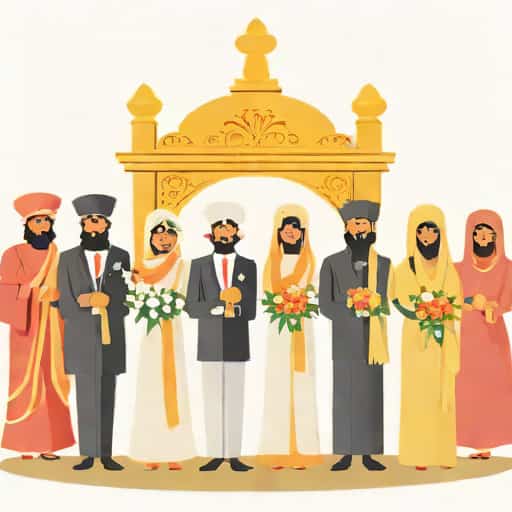
The zaffa wedding procession is one of the most vibrant and integral parts of traditional Middle Eastern and North African wedding ceremonies, celebrated for its lively music, rhythmic drumming, and expressive dance. This cultural practice has been passed down through generations and serves not only as a form of entertainment but also as a symbolic ritual marking the union of two families and the beginning of a new chapter in the lives of the bride and groom. The zaffa typically involves a grand procession through the streets or within the wedding venue, featuring a combination of musicians, dancers, and sometimes even performers with fire or swords, creating a spectacle that captivates guests and reinforces communal bonds. Understanding the history, customs, and variations of the zaffa wedding procession provides valuable insight into the richness and diversity of traditional wedding celebrations across the Arab world and beyond.
Historical Origins of the Zaffa
The zaffa has roots that trace back hundreds of years, originating in regions such as Egypt, Lebanon, Syria, and other parts of the Arab world. Historically, the procession was designed to announce the marriage publicly and to ward off evil spirits that could bring misfortune to the couple. In many communities, the zaffa served as a communal event, bringing together relatives, friends, and neighbors to celebrate in a shared cultural ritual. The use of music, drums, and symbolic instruments reflects the ancient belief in the power of sound to protect and bless the couple as they begin their married life.
Traditional Elements of the Zaffa
Traditional zaffa processions incorporate a number of key elements that give them their distinctive character
- MusicCentral to the zaffa is the use of percussion instruments, especially drums like the tabla or darbuka, accompanied by horns and sometimes stringed instruments. The music sets the rhythm and energy for the procession.
- DanceBoth professional dancers and family members participate, performing choreographed steps or improvisational movements that enhance the celebratory mood.
- Swords and FireIn some regions, performers carry swords, torches, or fire sticks, adding a dramatic visual element to the procession. These symbols often represent protection, strength, and good fortune.
- Chants and VocalsTraditional songs, often performed in call-and-response style, accompany the zaffa, adding a vocal layer that engages both participants and onlookers.
- The CoupleThe bride and groom usually walk together at the center of the procession, sometimes elevated on platforms or decorated palanquins, highlighting their significance in the celebration.
Regional Variations of the Zaffa
While the core concept of the zaffa remains consistent, various regions have developed unique styles and traditions associated with the procession. In Egypt, for example, the zaffa may feature belly dancers and traditional folk performers, while in Lebanon, drummers and folk singers play a central role. In North African countries like Morocco, the zaffa might include elaborate costumes and the use of symbolic items such as henna or candles, enhancing the ritualistic aspect of the procession. These regional differences reflect the adaptability of the zaffa, allowing it to remain relevant and meaningful across diverse cultural contexts.
The Role of Music in the Zaffa
Music is the heartbeat of the zaffa, providing the energy and rhythm that guides the movements of dancers and the flow of the procession. Percussion instruments are particularly important, producing beats that are both celebratory and ceremonial. The drumming often starts slow and gradually increases in tempo, building excitement and anticipation as the couple approaches the main wedding venue. Vocals, sometimes in the form of traditional songs or chants, complement the instrumental sounds and reinforce the communal and festive atmosphere. In modern adaptations, electronic instruments and amplifiers may also be incorporated, blending tradition with contemporary musical trends.
Symbolism and Cultural Significance
The zaffa is more than just a festive parade; it is imbued with symbolic meaning. The act of processing with music and dance represents the transition from single life to married life, a journey undertaken in the company of friends, family, and the wider community. Fire, swords, and rhythmic drumming are often interpreted as protective elements, intended to ward off negative energy and ensure prosperity for the couple. In addition, the collective participation of family and guests reinforces social bonds and emphasizes the communal nature of marriage in traditional societies. Through the zaffa, cultural values, heritage, and shared identity are celebrated alongside the personal milestone of marriage.
Modern Adaptations of the Zaffa
While the traditional elements of the zaffa remain highly valued, contemporary weddings often incorporate modern twists to suit the tastes and preferences of the couple. DJs may replace traditional drummers, or choreographed dances may be performed to popular music alongside traditional instruments. Some couples integrate multimedia elements, such as light displays or video projections, to enhance the visual impact of the procession. Despite these modernizations, the essential purpose of the zaffa-as a celebratory and symbolic introduction to the wedding-remains intact, ensuring that the tradition continues to thrive in contemporary settings.
Participation and Community Involvement
The zaffa is a communal event, emphasizing collective celebration rather than just a private moment for the couple. Friends, family, and neighbors often take active roles, whether as musicians, dancers, or vocalists. In many communities, young members of the family may be trained in specific dance steps or musical techniques to participate in the zaffa, creating intergenerational connections and passing cultural knowledge forward. The process of preparation, rehearsal, and participation contributes to a shared sense of joy and accomplishment, strengthening the social fabric surrounding the marriage.
Planning a Zaffa
Organizing a zaffa requires careful planning to balance tradition, logistics, and the personal preferences of the couple. Key considerations include
- Selecting musicians and performers who are skilled in traditional zaffa music and dance.
- Choosing the route of the procession, whether through streets, gardens, or indoor spaces.
- Coordinating timing with other wedding events, such as the ceremony and reception.
- Incorporating symbolic elements like fire, swords, or henna in a safe and meaningful way.
- Ensuring that modern adaptations, such as amplified music or visual effects, complement rather than overshadow traditional aspects.
The zaffa wedding procession is a vibrant, culturally rich tradition that celebrates the union of two people while honoring communal, historical, and symbolic practices. With its roots in ancient rituals and its enduring presence in modern weddings, the zaffa combines music, dance, and symbolic imagery to create an unforgettable introduction to a marriage ceremony. Whether experienced in its traditional form or adapted with contemporary innovations, the zaffa remains a powerful expression of joy, heritage, and community, reflecting the deep human desire to mark significant life milestones with celebration and togetherness.