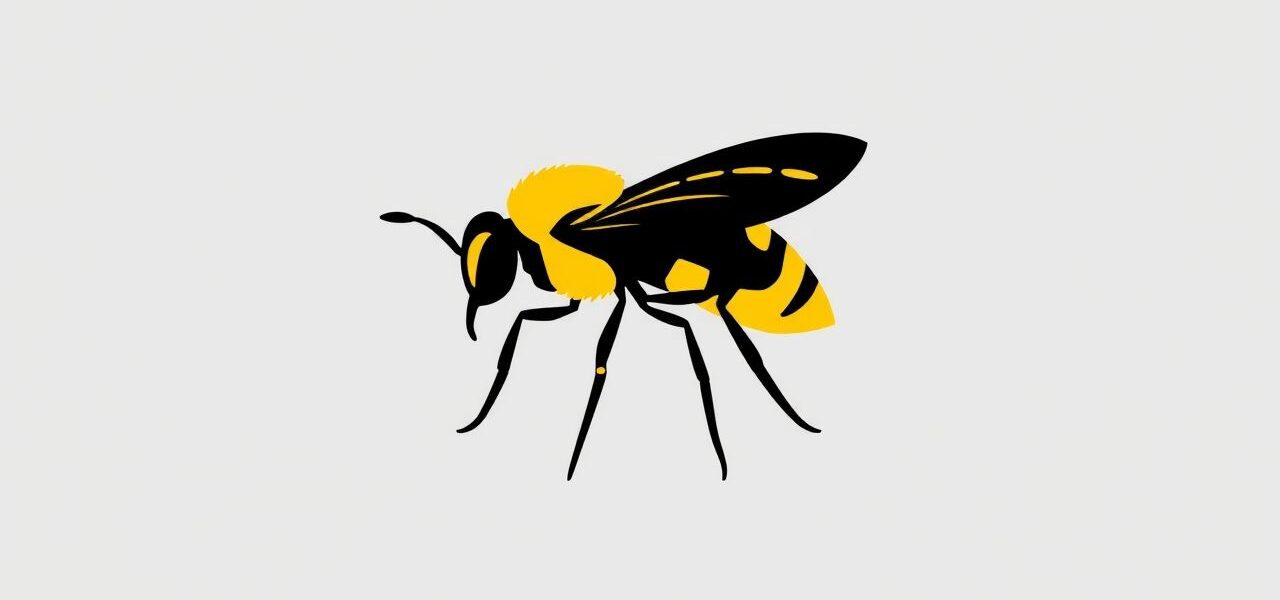
The black and yellow mud dauber is a fascinating insect that often draws attention due to its striking appearance and unique nesting behavior. These wasps are solitary creatures and do not form colonies like other common wasps or bees. Instead, each female builds her own nest and takes care of her offspring alone. While some people may fear them because they resemble more aggressive stinging insects, black and yellow mud daubers are generally non-aggressive and rarely sting unless provoked. Their value to ecosystems and their role in controlling other insect populations make them an interesting species worth understanding.
What Is a Black and Yellow Mud Dauber?
The black and yellow mud dauber is a type of solitary wasp belonging to the family Sphecidae. Its scientific name isSceliphron caementarium. These wasps are named for their distinctive coloration usually featuring black bodies with bright yellow markings and for their habit of building nests out of mud. You can often spot their tube-like nests stuck to walls, ceilings, or other surfaces around homes, barns, and garages.
Key Characteristics
- Body length ranges from 20 to 25 mm
- Slender waist and elongated body
- Black body with yellow legs and markings
- Single pair of transparent wings
Their appearance may trigger alarm for those unfamiliar with them, but their behavior is quite different from more aggressive social wasps like yellowjackets or hornets.
Habitat and Distribution
Black and yellow mud daubers are found across North and Central America, especially in warm, temperate climates. They tend to prefer areas where they can easily access both mud and a supply of insects to feed their larvae. Common nesting sites include:
- Garages and sheds
- Under eaves and porches
- Inside barns and stables
- Cliffs or rock faces in the wild
These wasps are often spotted in areas where human development has provided them with ideal structures for nesting and easy access to water and mud.
Nesting Behavior
One of the most notable behaviors of the black and yellow mud dauber is how it builds its nest. Using mud, the female constructs a series of cylindrical cells, each about the size of a finger. After building a cell, she hunts for spiders, which she paralyzes with her sting but does not kill. These paralyzed spiders are placed inside the cell as food for her future larvae.
Each cell typically contains one egg laid on top of the paralyzed spiders. When the egg hatches, the larva feeds on the immobilized prey until it matures and emerges from the nest. This method of provisioning ensures a fresh food source for the developing young.
How the Nesting Process Works
- Female gathers mud and constructs a cell
- She captures spiders and paralyzes them
- Places spiders in the cell as food
- Lays a single egg in each cell
- Seals the cell with more mud
After the nest is complete, the adult wasp leaves. The young will eventually emerge by chewing their way out of the hardened mud casing.
Diet and Hunting Habits
Adult black and yellow mud daubers primarily feed on nectar from flowers, making them pollinators to a certain extent. However, their main contribution to the environment is their role as predators. They prey mostly on spiders, including some that are considered pests around human dwellings. Some of their favorite targets include:
- Orb-weaver spiders
- Jumping spiders
- Crab spiders
By controlling spider populations, black and yellow mud daubers help maintain a balance in local ecosystems. This makes them beneficial insects despite their intimidating look.
Are They Dangerous?
While black and yellow mud daubers do possess stingers, they are not aggressive and are unlikely to sting humans unless handled or directly threatened. Unlike social wasps, which may swarm when their nest is disturbed, a solitary mud dauber will typically retreat from confrontation.
In most cases, people can coexist peacefully with these wasps. Removing their nests is usually unnecessary unless their location becomes problematic for human activity. If removal is required, it should be done cautiously or by a professional pest control service.
Life Cycle and Reproduction
The reproductive cycle of the black and yellow mud dauber begins in the warmer months. Mating occurs soon after emergence, and females begin building nests within a few days. The entire cycle from egg to adult takes about three to four weeks depending on environmental conditions.
During winter, mud dauber larvae may remain dormant in their nests, waiting for the right temperature to emerge in the spring. This seasonal dormancy helps them survive cold climates and ensures the continuation of their lifecycle.
Role in the Ecosystem
Though they might seem like pests at first glance, black and yellow mud daubers provide essential services to their ecosystems. Their benefits include:
- Reducing spider populations, including harmful species
- Pollinating plants while feeding on nectar
- Serving as food for birds and other predators
Their balanced position in the food web means that their presence is a sign of a healthy environment. Encouraging their survival can even help reduce the need for chemical pest control.
Common Misconceptions
There are several misconceptions about black and yellow mud daubers, largely due to their wasp-like appearance. Here are a few myths and the truth behind them:
- Myth: They are aggressive and will sting humans frequently.
Truth: They are non-aggressive and rarely sting. - Myth: Their nests are dangerous.
Truth: The nests are harmless unless causing structural issues. - Myth: They serve no useful purpose.
Truth: They control pest populations and help with pollination.
How to Deal with Mud Dauber Nests
In most situations, there’s no need to remove a mud dauber nest unless it’s in a high-traffic area or blocking vents or doors. If removal is necessary, follow these guidelines:
- Wait until evening when the wasp is less active
- Wear protective clothing
- Gently scrape off the nest with a flat tool
- Clean the surface to remove scent traces that could attract others
Professional pest control is recommended if you are unsure or if allergic to wasp stings.
The black and yellow mud dauber is an intriguing and beneficial insect that plays an important role in nature. Despite their fearsome appearance, these solitary wasps are gentle and valuable allies in controlling spiders and assisting with pollination. Understanding their habits, behavior, and contribution to the environment can help reduce unnecessary fear and promote coexistence. Instead of viewing them as pests, we can learn to appreciate their quiet presence and ecological importance.