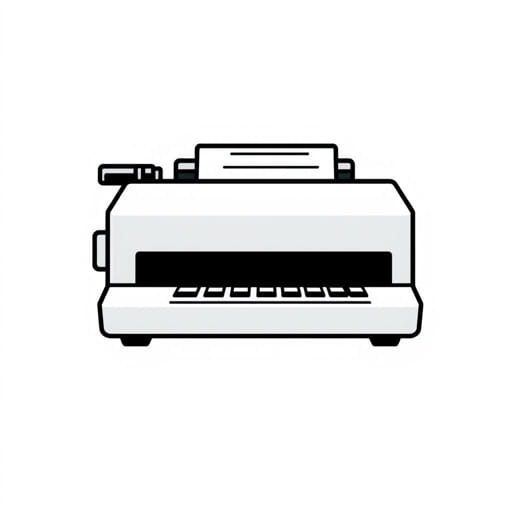
Before the widespread adoption of photocopiers and digital printers, the mimeograph machine was a revolutionary tool for duplicating documents. Often used in schools, churches, small offices, and grassroots organizations, the mimeograph machine became an essential part of communication during the early-to-mid 20th century. While the name may sound unfamiliar to modern ears, the image of a mimeograph machine is instantly recognizable to those who worked with one. With its rotating drum, ink-saturated stencils, and hand crank or motorized function, it symbolized efficient mass reproduction long before the digital age.
Understanding the Mimeograph Machine
What Is a Mimeograph?
The mimeograph machine is a duplicating device that uses ink and stencils to create multiple copies of a document. It was developed in the late 19th century and reached the height of its popularity between the 1920s and 1960s. Mimeographs were valued for being more affordable and easier to maintain than printing presses or early photocopiers.
The basic operation involves creating a stencil typically by typing or drawing onto a wax-coated sheet and then placing that stencil onto the drum of the machine. As the drum rotates, ink is pushed through the cut-out portions of the stencil, imprinting the image or text onto sheets of paper.
General Features Seen in the Image of a Mimeograph Machine
A typical image of a mimeograph machine displays several key features that reflect its mechanical and functional design. These include:
- A large cylindrical drum, usually central to the machine’s structure.
- A stencil frame or attachment area where the inked stencil is secured.
- Paper feed trays and output trays for stacking blank and copied pages.
- A handle or crank on older models, or an electric motor on newer versions.
- Ink reservoirs and rollers for distributing ink evenly across the stencil.
These features gave the mimeograph its distinctive appearance and defined its role as a practical and economical duplicator.
Visual Characteristics of Mimeograph Machines
Mechanical Simplicity
The image of a mimeograph machine often conveys a sense of mechanical simplicity. Its exposed parts and functional design showcase the technology of the pre-digital age. Unlike modern printers, mimeographs lacked touchscreens or digital interfaces. Instead, they operated through manual processes and physical components that required hands-on interaction.
Sturdy Build and Industrial Aesthetic
Mimeograph machines were typically built from metal and durable plastics. They were designed to withstand frequent use in classrooms, offices, and print shops. In many images, the machine sits atop a sturdy desk or stand, with paper dust, ink smudges, and cranks giving it a utilitarian, industrial appearance. Their practical design emphasized efficiency and reliability over sleek aesthetics.
Variations in Size and Style
Though they shared a common function, mimeograph machines came in a variety of sizes and styles. Smaller tabletop models were ideal for limited use, while larger floor-standing units could handle thousands of copies daily. Images of mimeograph machines show these variations, with differences in paper capacity, crank design, and ink feed mechanisms.
Historical Context and Cultural Significance
Role in Education and Office Work
For many teachers and office workers, the image of a mimeograph machine is associated with the distinctive smell of ink and the rhythmic sound of printing. These machines allowed educators to duplicate worksheets, exams, and newsletters efficiently. Offices used them for memos, reports, and administrative paperwork. They symbolized a self-sufficient approach to printing long before outsourcing or laser printers became common.
Tools of Activism and Underground Publishing
In addition to their formal uses, mimeograph machines played a crucial role in grassroots activism. During the 1960s and 1970s, political groups, civil rights organizations, and independent publishers used mimeographs to circulate pamphlets, zines, and protest materials. Their low cost and easy operation made them accessible to individuals who needed to spread information without relying on commercial printers. The image of a mimeograph machine, therefore, is also tied to the history of dissent, free speech, and underground publishing.
Advantages of the Mimeograph Machine
Cost-Effective Printing
One of the mimeograph’s greatest advantages was its affordability. Creating stencils was relatively inexpensive, and the ink could produce hundreds of copies without replenishment. This made it an attractive option for organizations with tight budgets.
Low Maintenance and High Volume
Mimeographs required little maintenance compared to more complex printing technologies of the time. Their simple design allowed for quick repairs and easy ink refills. For users needing a high volume of prints without high overhead costs, the mimeograph machine was ideal.
Independence from Electricity (in Manual Models)
Manual mimeograph machines were especially useful in areas without reliable electricity. A hand-cranked mimeograph could function anywhere, making it popular in rural schools and community centers. The image of someone turning the crank by hand became symbolic of grassroots information sharing.
Limitations and Obsolescence
Messy and Labor-Intensive
Despite its utility, the mimeograph had drawbacks. Working with ink and stencils could be messy, and the process of creating stencils required care to avoid errors. Smudges, misalignments, and fading were common problems. Users often needed practice to produce clean, consistent prints.
Decline with Technological Advances
The rise of photocopiers in the 1970s and personal computers in the 1980s spelled the end for mimeographs. Digital technology offered faster, cleaner, and more versatile methods of duplication. While mimeographs remained in use for some time in lower-resourced areas, they gradually disappeared from most settings. Today, they are more likely to be seen in museums or nostalgic collections than in active use.
Legacy and Recognition
Symbol of a Bygone Era
The mimeograph machine is now a symbol of an earlier era of communication and information sharing. It represents a time when reproduction was hands-on and local, when schools and offices produced their own materials in-house. The physicality of the mimeograph process turning cranks, cutting stencils, smelling ink remains etched in the memories of those who used them.
Collectibility and Preservation
Images of mimeograph machines are often shared by collectors, historians, and educators who recognize their significance. Some machines are preserved as working artifacts, occasionally used in demonstrations or retro print projects. As interest in vintage technology grows, the mimeograph has gained new attention as a piece of functional history.
The Enduring Image of the Mimeograph
Though no longer common in modern offices, the image of a mimeograph machine continues to evoke a powerful sense of nostalgia and historical importance. It stands as a testament to the evolution of printing technology and the enduring human need to duplicate and distribute ideas. Whether remembered as a schoolroom workhorse or a tool of grassroots rebellion, the mimeograph machine remains a meaningful symbol in the history of communication.