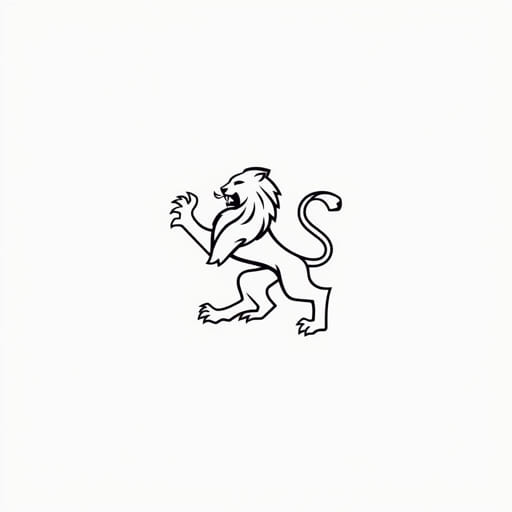
For anyone interested in Scottish history, heraldry, or national identity, the Lion Rampant is an instantly recognizable symbol. Often seen on flags, souvenirs, and during ceremonial events, this image of a red lion rearing on its hind legs against a yellow background with a double border is iconic. However, a common question arises: is the Lion Rampant illegal to use or display? The answer isn’t as simple as a yes or no. While it is not illegal in the criminal sense, its use is restricted by tradition and certain rules governed by royal and heraldic authority. To understand the issue fully, it’s important to explore the origins, legal context, and cultural significance of the Lion Rampant of Scotland.
The History of the Lion Rampant
The Lion Rampant, officially known as the Royal Banner of the Royal Arms of Scotland, has a deep historical background. The symbol dates back to the 13th century when it was adopted by King William I of Scotland, also known as William the Lion. The design features a red lion in an upright, aggressive stance (rampant), surrounded by a red double border with fleur-de-lis on a gold field.
Historically, the Lion Rampant was not a national flag but a royal banner. It was used exclusively by the King of Scots and later by the British monarch when acting in a Scottish capacity. Over time, it came to symbolize Scottish royalty and authority. Unlike the more commonly recognized Saltire or St. Andrew’s Cross, which is the national flag of Scotland, the Lion Rampant was reserved for official royal use.
Legal Status and Restrictions
The Lion Rampant is not outright illegal, but its use is regulated. It is technically considered a personal banner of the monarch and is protected under heraldic law in Scotland. This means that unauthorized use, especially in official or formal contexts, can be viewed as disrespectful or even a breach of protocol.
Who Can Use the Lion Rampant?
- The British monarch: The reigning king or queen has full right to display the Lion Rampant as a royal symbol.
- Royal representatives: Officials such as the Lord Lieutenant or the First Minister of Scotland may display the flag under certain circumstances as representatives of the Crown.
- Military and government: Some branches of government or the military may use the symbol when acting in official capacities under royal authority.
Outside of these limited roles, general public use is considered unofficial and potentially inappropriate if it suggests royal endorsement. The Court of the Lord Lyon, which is responsible for regulating heraldry in Scotland, has the authority to address unauthorized or improper use of heraldic symbols, including the Lion Rampant.
Is It a Criminal Offense?
Displaying the Lion Rampant is not a criminal act under standard law. No one will be arrested or prosecuted for owning a souvenir or waving the flag at a sporting event. However, it is technically discouraged for unofficial use in formal contexts. Misuse in a manner that implies royal authority could lead to a reprimand or legal notice from heraldic officials.
The enforcement is mostly ceremonial rather than punitive. It’s rare for legal action to be taken against individuals displaying the Lion Rampant for personal or celebratory reasons. Still, institutions or businesses using it for branding, advertising, or official representation without permission might face formal challenges.
Cultural Significance of the Lion Rampant
Despite its restricted status, the Lion Rampant remains a beloved national symbol. Many Scots view it as an emblem of pride, history, and cultural identity. It is commonly displayed at sporting events, especially during football or rugby matches involving the Scottish national teams.
The symbol also appears in architecture, government buildings, and public art. It features prominently during major royal events in Scotland, such as state visits or national ceremonies. Even though its use is technically restricted, the emotional and symbolic connection many people feel toward it makes the Lion Rampant a powerful icon.
Use in Tourism and Merchandise
Tourist shops across Scotland sell items featuring the Lion Rampant from keychains to T-shirts to decorative flags. These products are not illegal, and purchasing or owning them does not violate any law. The distinction lies in how the flag is used. As long as it is not displayed in a manner that implies official or royal endorsement, it is generally accepted in a casual, decorative context.
In this way, the use of the Lion Rampant in popular culture and tourism reflects its evolution from a symbol of monarchy to a broader emblem of Scottish pride. However, it’s always a good idea to use the flag respectfully, acknowledging its historical and royal connotations.
The Saltire vs. the Lion Rampant
It’s important to distinguish between the Lion Rampant and the Saltire, Scotland’s national flag. The Saltire, a white diagonal cross on a blue field, is the official flag of the people of Scotland and is encouraged for general use by the public.
In fact, when it comes to public displays of patriotism or identity, the Saltire is the proper choice. The Lion Rampant, while more dramatic in appearance, is not intended for general use in the same way. For official functions, public events, or international representations, the Saltire is the symbol most often used.
Changing Attitudes Toward Its Use
Over time, there has been a gradual softening in the attitudes toward public use of the Lion Rampant. With rising interest in Scottish history and identity, especially in discussions around Scottish independence, the flag has taken on new meaning as a symbol of national pride. While official guidelines remain, enforcement is minimal when it comes to everyday personal use.
This reflects a broader cultural trend where historical symbols are reinterpreted and integrated into modern identity. For many, flying the Lion Rampant is not about royal allegiance but about celebrating a unique Scottish heritage that continues to evolve in the present day.
So, is the Lion Rampant illegal? Not in a criminal sense. Its use is restricted and regulated as a royal banner, and there are official guidelines about who may display it in formal or authoritative contexts. However, for the average person displaying the Lion Rampant at a game, wearing it on a shirt, or hanging it in their home, it is not considered a legal issue. The key is respectful and appropriate use, acknowledging its roots as a symbol of Scottish royalty. While the Lion Rampant is not the national flag of Scotland, it remains a powerful emblem of cultural pride, history, and identity.