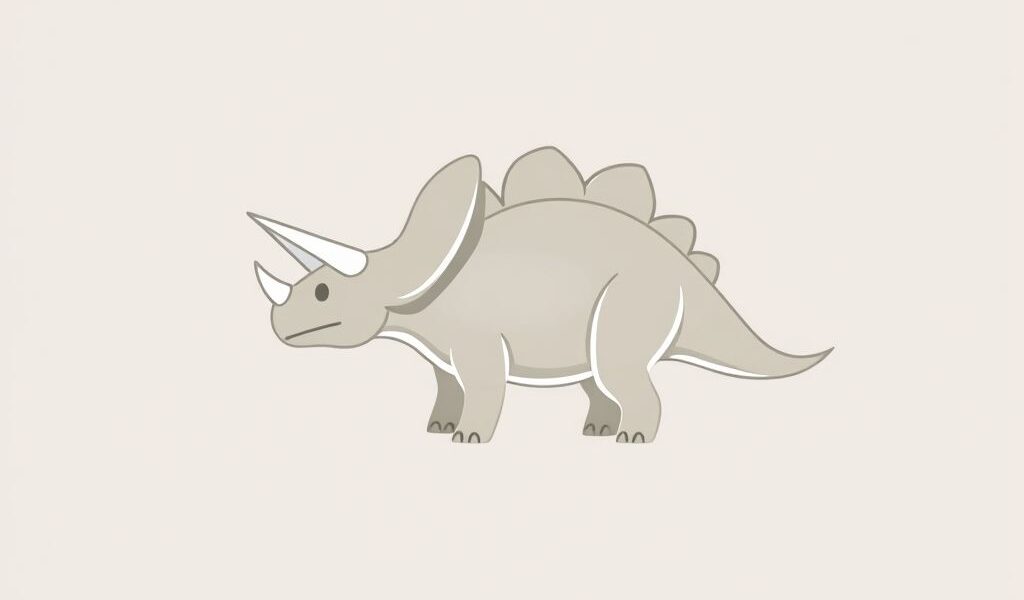
Herbivorous dinosaurs are among the most fascinating creatures that roamed the Earth millions of years ago. These plant-eating giants played a crucial role in the prehistoric ecosystem, shaping the environment and serving as a vital part of the food chain. Understanding the characteristics and lifestyles of herbivorous dinosaurs helps us gain insight into the diversity and complexity of life during the Mesozoic Era. This topic will explore the concept of herbivorous dinosaurs, highlight one of the most well-known examples, and discuss their importance in the context of paleontology and natural history.
What is a Herbivorous Dinosaur?
Herbivorous dinosaurs are those species that primarily consumed plants such as leaves, ferns, and other vegetation. Unlike their carnivorous counterparts who hunted other animals, herbivores adapted to survive on a diet consisting of various types of flora. This dietary choice influenced their physical features, behavior, and evolution.
These dinosaurs exhibited a variety of shapes and sizes, from small, agile species to massive giants with specialized teeth and digestive systems designed to process tough plant materials. Their presence in prehistoric ecosystems was essential for maintaining ecological balance, as they helped control plant growth and provided food for predators.
Examples of Herbivorous Dinosaurs
There are numerous species of herbivorous dinosaurs, each with unique adaptations. Some of the famous herbivorous dinosaurs include Triceratops, Stegosaurus, Brachiosaurus, and Iguanodon. Each of these species had different feeding strategies and lived in varying habitats.
- Triceratops: Known for its three distinctive facial horns and large frill, this dinosaur used its beak-like mouth to strip vegetation.
- Stegosaurus: Recognizable by the plates along its back and spiked tail, it likely fed on low-lying plants.
- Brachiosaurus: One of the largest dinosaurs, it had a long neck that allowed it to reach high foliage.
- Iguanodon: An early herbivore with thumb spikes, possibly used for defense against predators.
Name a Herbivorous Dinosaur: The Stegosaurus
Among the many herbivorous dinosaurs, the Stegosaurus stands out as a popular and easily recognizable example. The name ‘Stegosaurus’ means ‘roofed lizard,’ referring to the distinctive plates that ran along its back. These plates are believed to have served multiple purposes such as defense, thermoregulation, or display to attract mates.
Stegosaurus lived during the Late Jurassic period, roughly 155 to 150 million years ago. It inhabited areas that are now part of North America and possibly parts of Europe. This dinosaur was a large, slow-moving quadruped, meaning it walked on all four legs. It had a small head compared to its body size, with a beak-like mouth that was suited for cropping plants close to the ground.
Physical Features of Stegosaurus
Stegosaurus was notable for its unique arrangement of large, bony plates and spikes:
- Plates: The two rows of plates along its back could reach up to two feet in height and were likely covered with skin and blood vessels.
- Tail spikes: Also called the ‘thagomizer,’ these spikes at the end of the tail acted as a powerful defensive weapon against predators.
- Body size: Stegosaurus could grow up to 30 feet long and weigh around 5,000 kilograms (about 11,000 pounds).
Its limbs were relatively short and sturdy, with hind legs longer than the front legs, giving the body a distinctive sloping posture. This anatomy suggests it fed mostly on low-lying plants like ferns and cycads, which were abundant during its time.
Diet and Feeding Habits
The Stegosaurus was strictly herbivorous and relied on its beak to grasp and strip leaves. Its small teeth were flat and adapted for chewing fibrous plant material. While it lacked the complex chewing mechanisms of later herbivores, Stegosaurus likely swallowed plant matter whole and relied on fermentation within its gut to break down tough cellulose.
Its environment was lush with various vegetation, including conifers, cycads, and ferns, providing a plentiful food source. The dinosaur’s slow movement and body structure suggest it was not a fast grazer but rather methodical in feeding on accessible plants.
Importance of Herbivorous Dinosaurs in the Ecosystem
Herbivorous dinosaurs like Stegosaurus were vital to the prehistoric ecosystems. They helped control plant populations, preventing overgrowth and maintaining balance in their habitats. By feeding on diverse plant species, they contributed to the cycling of nutrients and helped shape the landscape.
Furthermore, herbivorous dinosaurs were the primary food source for large carnivorous dinosaurs such as Allosaurus and Tyrannosaurus rex. Their abundance and health directly impacted the survival of predators, creating a dynamic predator-prey relationship that drove evolutionary adaptations.
Adaptations for Survival
Herbivorous dinosaurs evolved various adaptations to survive the challenges of their environment, such as:
- Defense mechanisms: Plates, spikes, horns, and thick skin helped protect against predators.
- Digestive systems: Large guts and specialized teeth helped process tough, fibrous plants.
- Social behavior: Some species may have traveled in herds for protection and social interaction.
- Reproductive strategies: Laying eggs in nests and guarding young to ensure species survival.
Fossil Discoveries and Scientific Significance
Fossils of herbivorous dinosaurs have provided invaluable information about the Earth’s ancient past. The Stegosaurus, discovered in the late 19th century in the United States, remains one of the most studied dinosaurs. Its fossils have helped paleontologists understand dinosaur anatomy, behavior, and evolution.
Studies of fossilized footprints, bones, and even coprolites (fossilized dung) offer clues about diet, movement, and environmental conditions. These findings contribute to our knowledge of prehistoric biodiversity and the effects of climatic changes over millions of years.
Educational and Cultural Impact
Herbivorous dinosaurs, including Stegosaurus, have captured public imagination through books, movies, and museums. They serve as key subjects in education to teach children and adults about natural history, evolution, and the scientific method. Their popularity also encourages interest in paleontology and environmental conservation.
Herbivorous dinosaurs like the Stegosaurus are fascinating examples of nature’s ability to adapt and thrive over millions of years. These plant-eating giants not only shaped prehistoric ecosystems but also continue to inspire curiosity and learning today. Understanding their characteristics, diets, and behaviors helps us appreciate the diversity of life in Earth’s history and the ongoing journey of scientific discovery.
For anyone interested in dinosaurs, naming a herbivorous dinosaur like Stegosaurus opens a window into a complex world of ancient plants, massive creatures, and evolutionary marvels. These dinosaurs remain a testament to the rich legacy of life that once flourished on our planet.