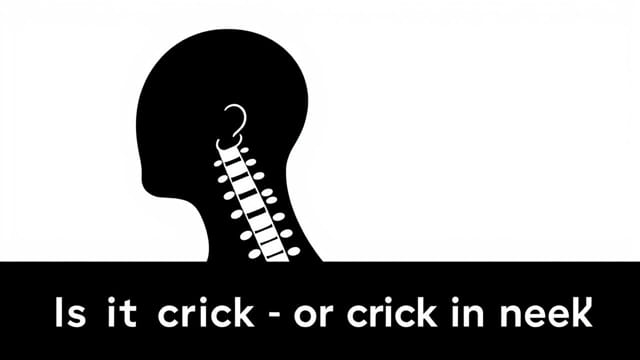
Have you ever heard someone say they have a crick and wondered exactly what that means? Or maybe you’ve heard the phrase crick in the neck and questioned if it’s just crick or if the full expression is necessary. This kind of confusion is quite common because crick is a word that isn’t frequently used outside certain regions or contexts. Understanding the meaning of crick, its proper usage, and especially what crick in the neck means can help clarify this everyday expression related to neck pain and stiffness. This topic explains the difference between crick and crick in neck, their origins, symptoms, causes, and remedies, so you can fully grasp when and how to use these terms.
What Does Crick Mean?
The word crick is a noun used primarily in North American English to describe a sudden, sharp pain or stiffness in a part of the body, most commonly the neck or back. It refers to that uncomfortable feeling you get when your muscles are tense or slightly strained, leading to restricted movement and soreness.
Crick is often informal and colloquial. When someone says, I have a crick, it usually implies they have some muscular discomfort or stiffness, especially after sleeping in an awkward position or sudden movement.
Is Crick Alone Enough?
While crick by itself can be used to describe the sensation of muscle stiffness or pain, it is often more descriptive when combined with a body part. For example, people commonly say crick in the neck or crick in the back to specify where the discomfort is.
What Is a Crick in the Neck?
The phrase crick in the neck is a very common expression that specifically describes neck pain characterized by stiffness, limited movement, and sometimes sharp or dull aches. It typically happens when the neck muscles become strained, tense, or slightly sprained.
This phrase helps pinpoint the location of the discomfort and makes it clear that the problem is in the neck area. Saying just crick might be too vague, so adding in the neck provides context and clarity.
Why Does a Crick in the Neck Occur?
There are many reasons why someone might get a crick in the neck, including:
- Sleeping in an awkward position
- Sudden movement or jerking of the neck
- Muscle strain from poor posture or overuse
- Stress and tension leading to muscle tightness
- Injury or minor trauma
Typically, a crick in the neck is temporary and resolves with rest and simple treatments, but if the pain is severe or persistent, medical advice should be sought.
How Do People Use Crick and Crick in the Neck?
In everyday language, crick in the neck is a very common phrase. Someone might say, I woke up with a crick in my neck, meaning their neck feels stiff and painful.
Using just crick is less common alone unless the context makes the location clear. For instance, if two people are discussing neck pain, one might simply say, I have a crick, and the meaning is understood. But in most cases, crick in the neck is preferred for clarity.
Examples
- After working at the computer all day, I got a crick in my neck.
- Be careful not to strain yourself and get a crick.
- I can’t turn my head because of this awful crick in the neck.
Common Symptoms of a Crick in the Neck
When someone has a crick in the neck, they may experience several symptoms including:
- Stiffness and difficulty moving the neck
- Sharp or dull pain in the neck area
- Muscle tightness or spasms
- Discomfort when turning the head or looking up/down
- Sometimes mild headaches
Treatment and Remedies for a Crick in the Neck
Most cricks in the neck are minor and can be treated at home. Some common remedies include:
- Rest: Avoid strenuous activity and give your neck muscles time to recover.
- Gentle stretching: Carefully move the neck to reduce stiffness.
- Heat or cold therapy: Applying a warm compress or ice pack can reduce pain and inflammation.
- Massage: Light massage can relax tense muscles.
- Good posture: Maintaining proper posture can prevent future cricks.
- Over-the-counter pain relief: Medications like ibuprofen can help reduce discomfort.
If symptoms worsen or persist beyond a few days, consulting a healthcare professional is recommended to rule out serious conditions.
Is Crick the Same as a Cramp or Spasm?
Although crick, cramp, and spasm all involve muscle discomfort, they are not exactly the same.
- Crick: A general term for stiffness or localized pain, often mild to moderate.
- Cramp: A sudden, involuntary, and often painful muscle contraction.
- Spasm: An involuntary muscle contraction that can be painful and cause muscle tightness.
A crick in the neck may involve some spasming of muscles but is more about stiffness and restricted movement.
Origins of the Word Crick
The word crick dates back to the early 17th century and is thought to have originated from the Middle English word cricke, meaning a bend or twist. This relates well to the sensation of stiffness or pain that occurs when muscles or joints don’t move freely.
To answer the question, it is more common and clearer to say crick in the neck rather than just crick when referring to neck stiffness or pain. While crick alone can describe the sensation, adding in the neck specifies the location and avoids confusion. A crick in the neck is a common condition characterized by muscle stiffness, soreness, and limited neck movement, often caused by poor posture, sleeping awkwardly, or sudden movements. Fortunately, most cricks are temporary and can be treated with rest, gentle exercises, and home remedies. Understanding the proper use of crick and crick in the neck will help you communicate more effectively about this common experience and know what to expect when dealing with neck discomfort.