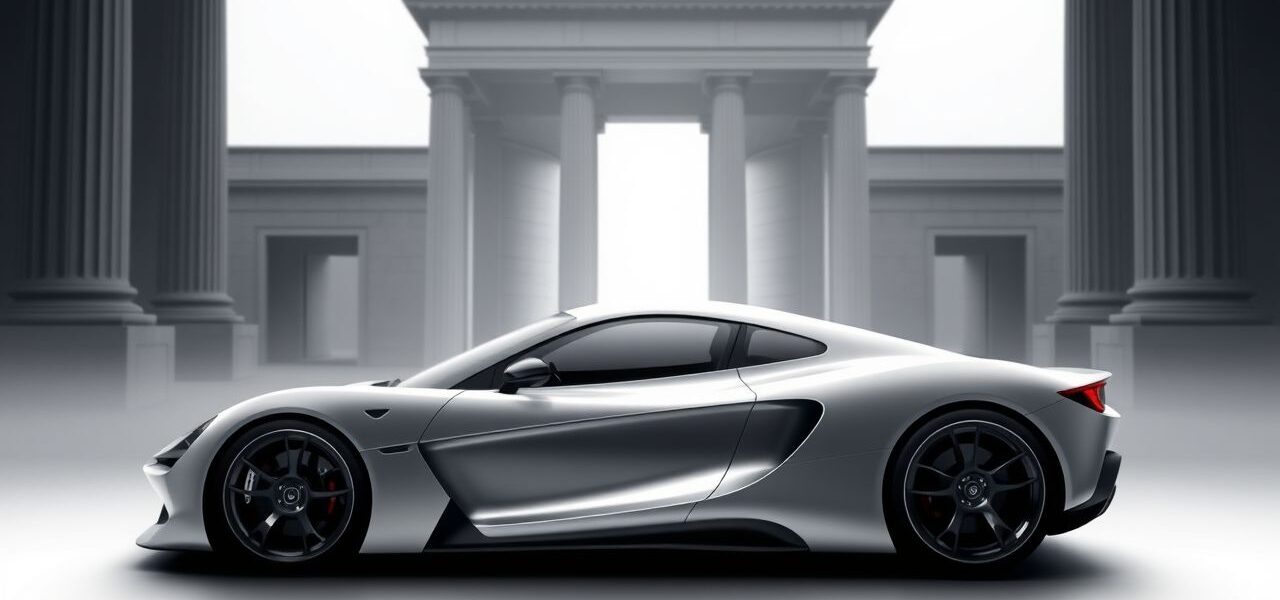
Gran Turismo 7 offers a rich and immersive driving experience that blends realism with passion for car culture. Among its many features, the Neoclassical collection stands out as a captivating nod to automotive history. This category includes beautifully restored vehicles from the 1980s and 1990s, combining vintage style with modern precision. For enthusiasts and collectors alike, the Neoclassical class in Gran Turismo 7 offers more than just nostalgia it invites players to appreciate the engineering and design philosophy that defined a transitional era in the automotive world. With updated handling physics and graphical fidelity, each car in this group feels fresh while retaining its heritage charm.
What Is the Neoclassical Category in Gran Turismo 7?
Defining the Era of Neoclassical Cars
In the context of Gran Turismo 7, Neoclassical refers to a specific group of vehicles produced primarily during the late 20th century. These are not quite vintage classics from the ’50s or ’60s, but they are far from modern supercars. Think turbocharged Japanese icons, boxy European saloons, and the first wave of digital dashboards and pop-up headlights. Cars from the 1980s and 1990s defined a new direction in car design balancing performance, style, and early digital innovation.
Gran Turismo 7 highlights this automotive period through lovingly detailed models, realistic engine sounds, and performance tuning that respects the legacy of these vehicles. Whether you’re a fan of the Nissan Skyline GT-R R32 or the BMW M3 E30, the Neoclassical class offers a thrilling blend of retro cool and track-ready capability.
Why Neoclassical Cars Matter in GT7
Handling and Performance That Feels Unique
Unlike the high-speed, high-grip performance of hypercars or the raw mechanical simplicity of older classics, Neoclassical cars occupy a distinct middle ground. They are responsive but require skill. Braking points are longer, throttle control is more nuanced, and cornering takes finesse. These characteristics make them an excellent training ground for players who want to improve their driving skills while enjoying an authentic, old-school experience.
Aesthetic Appeal and Nostalgic Charm
Many GT7 players grew up seeing these cars on the streets or posters on their bedroom walls. The angular lines, flip-up headlights, and unique interiors of this era are a joy to revisit. Gran Turismo 7 doesn’t just reproduce the exterior designs; it brings interiors to life in cockpit view, capturing details down to analog dials, cloth upholstery, and retro infotainment systems.
Notable Neoclassical Cars Featured in Gran Turismo 7
- Nissan Skyline GT-R R32: A racing icon and the original Godzilla, praised for its AWD system and turbocharged performance.
- Toyota Supra A80: Known for its tuning potential and pop-culture fame, especially among street racing fans.
- BMW M3 E30: A precision-built touring car legend with balanced rear-wheel-drive handling and motorsport pedigree.
- Honda NSX (1990): A Japanese supercar with Ferrari-level engineering at a fraction of the cost.
- Mazda RX-7 FC and FD: Lightweight rotary-powered machines that provide exceptional handling on tight circuits.
Tuning and Customization Potential
Modifying Neoclassical Cars in GT7
Gran Turismo 7 provides a wide array of tuning options for Neoclassical vehicles. From suspension upgrades to turbocharging and weight reduction, players can bring out the hidden potential of these machines. While their stock performance may be moderate compared to newer models, careful tuning can elevate their capabilities, making them competitive in a variety of race classes.
Moreover, the livery editor allows for full aesthetic customization. This means players can recreate period-correct race liveries, personal street styles, or completely new designs. The result is a creative expression that brings new life to old cars while keeping them relevant in the modern virtual racing scene.
Recommended Tuning Tips
- Suspension: Lowering the car and adjusting camber can improve cornering stability.
- Tires: Equip soft sport or racing tires to handle the car’s tendency to understeer or oversteer.
- Engine Mods: Turbo kits can significantly boost horsepower in vehicles like the RX-7 or Skyline.
- Weight Reduction: Stripping unnecessary weight makes a noticeable difference in acceleration and braking.
Using Neoclassical Cars in Campaign and Online
Campaign Events
Neoclassical vehicles often appear in specific World Circuit races tailored for classic or retro cars. These events are perfect for putting your modified machine to the test while enjoying tracks that suit their performance range. You’ll find these races challenging but rewarding, especially when you’re competing against similarly aged rivals with unique characteristics.
Online Lobbies and Showcases
In GT7’s online mode, Neoclassical cars are a favorite in themed race rooms and community events. Whether it’s a ’90s JDM night or a touring car throwback, players gather to race and showcase their builds. These moments help foster the game’s community while letting each player’s creativity shine. Participation in such events also earns credits and mileage points, further investing players in their Neoclassical collection.
Visual Realism and Audio Detail
Photomode and Scapes
Gran Turismo 7’s visual fidelity allows for photo-realistic captures of your Neoclassical collection. Using Scapes, players can place cars in hundreds of real-world locations, perfect for showcasing vintage aesthetics with modern technology. The detailed lighting, reflections, and backgrounds make every screenshot look like a page from a high-end car magazine.
Engine Sounds and Interior Atmosphere
The sound design team has gone to great lengths to capture the audio signatures of these older engines. Whether it’s the deep growl of a turbocharged inline-six or the high-pitched whine of a rotary engine, every car sounds as it should. Cockpit view even lets you hear interior rattles and mechanical whirring, making the experience immersive and authentic.
Collecting Neoclassical Cars
How to Acquire These Vehicles
Neoclassical cars are typically found in the Used Car Dealership and the Legend Cars section of GT7. The availability rotates regularly, so players must check back frequently to catch rare models. Some can also be unlocked through Café Menu Books or as rewards in certain campaign missions. Due to their popularity, prices can be high, but the investment is worthwhile for collectors and racing enthusiasts alike.
Tips for Finding Rare Models
- Visit the Used Car Dealership daily for rotating inventory.
- Complete Menu Books and Café missions to unlock hidden models.
- Watch for Legend Cars, which are high-value models with historical importance.
- Save credits for your favorite vehicles they may not appear again for a while.
Neoclassical cars in Gran Turismo 7 offer a perfect blend of nostalgia, technical charm, and racing functionality. They stand as a tribute to an era when car manufacturers began to blend analog driving feel with digital innovations. For players, they represent more than just vehicles they are a driving experience rich in personality and history. Whether you’re collecting, customizing, or racing, the Neoclassical segment in GT7 adds tremendous depth and variety to the game. As new updates bring even more classic models, it’s clear that this category will remain a beloved part of the Gran Turismo experience for years to come.