When it comes to wild game meat, jackrabbit and cottontail are two popular choices often compared for their flavor and culinary uses. Both animals belong to the hare and rabbit family, but their taste profiles and textures differ notably. These differences arise from their distinct lifestyles, diets, and muscle composition, which in turn affect how their meat is perceived by hunters, chefs, and food enthusiasts. Exploring the taste characteristics of jackrabbit versus cottontail offers valuable insights for anyone interested in cooking or consuming wild rabbit meat, whether for traditional recipes or adventurous dining.
Understanding Jackrabbit and Cottontail
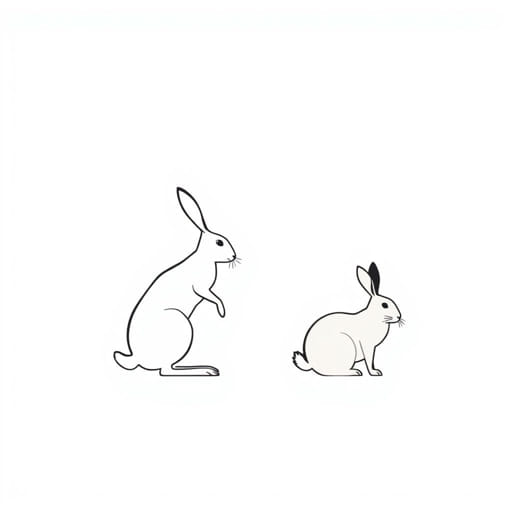
Before diving into the taste comparison, it’s helpful to understand the basic differences between jackrabbits and cottontails. Despite their similar names, these two creatures belong to different genera. Jackrabbits are actually hares, typically larger and faster, with longer legs and ears. Cottontails are true rabbits and are smaller and more compact. Their differing behaviors and diets influence the flavor and texture of their meat.
Physical and Behavioral Differences
- Jackrabbits: Larger size, known for speed and agility; they are more solitary and live in open, arid environments.
- Cottontails: Smaller, more social, prefer dense brush or woodland habitats; often more accessible to hunters.
Factors Influencing Taste Differences
The flavor of game meat depends on multiple factors including the animal’s diet, age, activity level, and fat content. Jackrabbits and cottontails have different diets and habits that result in unique taste profiles.
Diet
Jackrabbits mainly consume dry grasses, shrubs, and cacti found in desert or prairie regions. Their diet tends to be fibrous and tougher, contributing to a stronger and sometimes gamier flavor in their meat. In contrast, cottontails feed on a broader range of vegetation including tender grasses, clover, and garden plants, resulting in a milder and sweeter meat taste.
Activity and Muscle Use
Because jackrabbits are built for speed, they have more developed leg muscles with leaner meat that is often firmer and less fatty. Cottontails are less muscular but can accumulate more fat, which often leads to juicier and more tender meat.
Flavor Profile: Jackrabbit vs Cottontail
Both jackrabbit and cottontail offer distinct eating experiences, and preferences vary depending on preparation and personal taste.
Jackrabbit Taste Characteristics
- Stronger Flavor: Jackrabbit meat tends to have a more pronounced gamey taste due to its diet and active lifestyle.
- Lean Texture: The meat is typically lean and firm, requiring careful cooking to avoid dryness.
- Earthy Undertones: Some describe the flavor as earthy or slightly bitter, which can be balanced with spices and marinades.
Cottontail Taste Characteristics
- Milder and Sweeter: Cottontail meat is generally milder, with a subtly sweet flavor.
- More Tender: Higher fat content and less muscle density result in a softer, more tender texture.
- Less Gamey: The milder taste appeals to those new to eating wild game or who prefer less intense flavors.
Cooking Tips for Jackrabbit and Cottontail Meat
Because jackrabbit and cottontail meat have different textures and flavors, they respond best to different cooking methods.
Preparing Jackrabbit
- Slow cooking methods like braising or stewing help tenderize the lean meat.
- Marinating in acidic mixtures (lemon juice, vinegar, or wine) can soften the texture and reduce gaminess.
- Using spices and herbs such as rosemary, thyme, and garlic complements the earthy flavors.
Preparing Cottontail
- Roasting or pan-frying works well to preserve the natural tenderness and mild flavor.
- Avoid overcooking to keep the meat juicy and tender.
- Simple seasoning often suffices, allowing the delicate taste to shine.
Health and Nutritional Aspects
Both jackrabbit and cottontail meat are lean protein sources low in fat and calories compared to traditional meats like beef or pork. Their wild diet results in meat rich in omega-3 fatty acids and other nutrients beneficial to health.
Comparing Nutritional Content
- Jackrabbit’s leaner meat means slightly lower fat content but can be tougher.
- Cottontail’s higher fat content provides more moisture but also more calories.
- Both are excellent sources of protein, vitamins, and minerals like iron and zinc.
Cultural and Culinary Uses
Jackrabbit and cottontail have featured in traditional diets and cuisines, especially in rural and indigenous communities. Their meat is often used in stews, pies, and roasted dishes, adapting to local ingredients and flavors.
Regional Variations
- In the southwestern United States, jackrabbit is commonly slow-cooked with chili and spices.
- Cottontail is popular in southern states, frequently prepared fried or in gravy-based dishes.
- Both meats are often reserved for special occasions or hunting season celebrations.
Ethical and Sustainability Considerations
Hunting jackrabbit and cottontail responsibly contributes to population control and reduces crop damage, supporting local ecosystems and agriculture. Using wild game meat is considered sustainable compared to industrial livestock farming.
Importance of Ethical Hunting
- Follow local regulations and hunting seasons to maintain healthy populations.
- Practice humane and efficient hunting methods.
- Respect habitats to preserve biodiversity and natural balance.
Choosing between jackrabbit and cottontail meat ultimately depends on personal taste preferences and culinary goals. Jackrabbit offers a stronger, leaner, and earthier flavor suited for slow cooking and bold seasoning, while cottontail delivers tender, mild, and slightly sweeter meat ideal for roasting and simple preparations. Both provide nutritious and sustainable options for wild game lovers. Understanding these differences allows hunters, cooks, and consumers to make informed choices and enjoy the unique qualities of each. Whether you’re preparing a hearty stew or a delicate roast, jackrabbit and cottontail each bring a distinct taste of the wild to the table.