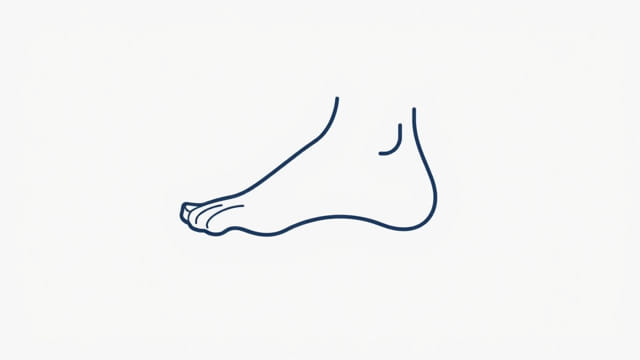
Plantar flexion is a specific type of joint movement that occurs at the ankle, allowing the foot to point downward away from the leg. It is a common motion used in many daily activities, such as walking, running, jumping, and standing on tiptoe. Though often overlooked, this movement is essential for both balance and mobility. Understanding how plantar flexion works, which muscles and joints are involved, and how it supports physical function can help improve athletic performance, prevent injury, and enhance rehabilitation strategies. This topic explores plantar flexion in depth to give you a clear and practical view of its role in joint movement.
Definition of Plantar Flexion
Plantar flexion is the movement that decreases the angle between the sole of the foot and the back of the leg. It is the opposite of dorsiflexion, where the toes are pulled upward toward the shin. During plantar flexion, the foot moves downward, extending at the ankle joint. This action primarily involves the posterior muscles of the lower leg and plays a critical role in locomotion and posture.
Anatomy Involved in Plantar Flexion
Joints Involved
The main joint responsible for plantar flexion is theankle joint, also known as the talocrural joint. This joint is formed by the articulation between the tibia, fibula, and talus bones. Plantar flexion also involves some movement at the subtalar and midtarsal joints, which contribute to the overall flexibility and control of the foot.
Muscles Responsible for Plantar Flexion
Several muscles contribute to plantar flexion, with the most important ones located in the posterior compartment of the leg:
- Gastrocnemius: A large, two-headed muscle of the calf that attaches to the heel via the Achilles tendon.
- Soleus: Located underneath the gastrocnemius, also inserting into the Achilles tendon.
- Plantaris: A small muscle that assists in plantar flexion, though not essential for normal function.
- Tibialis posterior: Provides support to the arch and contributes to plantar flexion.
- Flexor hallucis longusandflexor digitorum longus: Assist in flexing the toes and supporting foot movement.
- Peroneus longusandperoneus brevis: Help with both eversion and plantar flexion.
Common Activities Involving Plantar Flexion
Plantar flexion is involved in many common movements and activities, including:
- Walking, especially the push-off phase
- Running and sprinting
- Jumping and landing
- Climbing stairs
- Pointing the toes in ballet or gymnastics
- Pressing the gas or brake pedals while driving
- Standing on tiptoe to reach overhead
This wide range of uses shows how essential plantar flexion is to everyday movement and athletic performance.
Importance of Plantar Flexion in Biomechanics
Plantar flexion is key to forward propulsion during gait. When you walk or run, plantar flexion provides the push needed to lift the heel off the ground and drive the body forward. It also plays a significant role in maintaining balance, especially during dynamic movements. Without effective plantar flexion, tasks like jumping or even walking efficiently become difficult or impossible.
Balance and Posture
Standing on tiptoe or balancing on one foot requires strong plantar flexion. This movement works closely with other lower limb muscles to stabilize the ankle and foot. Weakness in this area can contribute to instability and a higher risk of falls, especially in older adults.
Range of Motion and Normal Limits
The typical range of motion for plantar flexion is approximately 40 to 50 degrees from the neutral position of the foot. This can vary based on age, flexibility, and physical condition. Athletes and dancers may develop increased plantar flexion range through training, while individuals recovering from injury may experience reduced motion.
Plantar Flexion and Injury
Because plantar flexion is used so frequently, it is susceptible to injury, especially when overused or improperly trained. Common conditions related to plantar flexion include:
- Achilles tendinitis: Inflammation of the Achilles tendon due to repetitive stress or poor biomechanics.
- Calf strain: A tear or overstretching of the gastrocnemius or soleus muscles.
- Plantar fasciitis: Although not a direct injury to the plantar flexor muscles, tightness in the calf can contribute to this condition.
- Ankle sprains: Can occur if the foot is excessively plantarflexed and inverted during landing or quick movement.
Strengthening Exercises for Plantar Flexion
To maintain strong and flexible plantar flexors, targeted exercises can be beneficial. Examples include:
- Calf raises: Standing and lifting your heels off the ground, focusing on contracting the calf muscles.
- Resistance band plantar flexion: Using a band wrapped around the foot and pointing the toes against resistance.
- Toe walking: Walking on the balls of your feet to build endurance in the calf muscles.
- Seated plantar flexion: Performed with or without weights to gently strengthen the muscles around the ankle.
These exercises help improve strength, endurance, and coordination, making plantar flexion more effective in functional activities.
Rehabilitation and Recovery
For those recovering from ankle injuries or surgeries, restoring plantar flexion is often a major goal in physical therapy. Therapists use a combination of passive stretching, active range of motion exercises, and strength training to rehabilitate the affected muscles and joints. Gradual progression is important to avoid reinjury and to ensure full recovery of movement and function.
Plantar Flexion in Sports and Performance
In sports like basketball, soccer, and dance, plantar flexion is not just a functional movement it’s a performance tool. High jumps, quick direction changes, and graceful toe pointing all rely on strong plantar flexion. Athletes often undergo specific training to enhance this movement, including plyometrics and eccentric calf work.
Footwear Considerations
Proper footwear can influence plantar flexion mechanics. Shoes with adequate arch and heel support can improve alignment and reduce strain. Conversely, high heels exaggerate plantar flexion, which over time may lead to tightness and imbalance in the lower leg muscles.
Plantar flexion is a vital joint movement that supports a wide range of everyday and athletic activities. It is facilitated by the ankle joint and powered by key muscles like the gastrocnemius and soleus. From walking and running to balancing and jumping, plantar flexion plays a central role in mobility and performance. Understanding the mechanics and importance of this motion helps individuals better care for their lower limbs, prevent injury, and improve function. Whether through exercise, rehabilitation, or simply awareness, maintaining healthy plantar flexion is essential for active, pain-free movement.