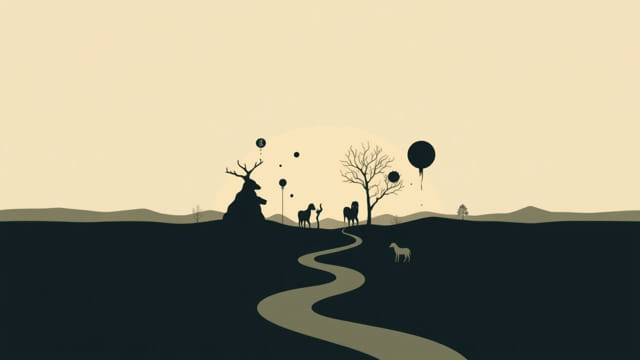
Hieronymus Bosch is one of the most intriguing and enigmatic painters in Western art history. Known for his highly imaginative, complex, and symbolic imagery, Bosch has often been associated with dreamlike visions that appear bizarre even by today’s standards. Because of these surreal qualities, many people wonder: is Hieronymus Bosch surrealism? While his art shares many elements with surrealist works, the answer requires a deeper understanding of both Bosch’s historical context and the surrealist movement that emerged centuries after his death.
Who Was Hieronymus Bosch?
Hieronymus Bosch was a Dutch painter who lived during the late 15th and early 16th centuries, specifically from around 1450 to 1516. He is best known for his religious-themed paintings filled with fantastic creatures, nightmarish landscapes, and strange hybrids of humans, animals, and machines. His most famous work,The Garden of Earthly Delights, continues to fascinate art historians and the general public alike.
Bosch lived during the Northern Renaissance, a period marked by deep religious beliefs, political change, and a growing awareness of human behavior. His art was heavily influenced by Christian teachings, medieval symbolism, and moral allegory, all of which played central roles in the messages he embedded within his paintings.
Understanding Surrealism
To answer whether Hieronymus Bosch can be classified as surrealism, it’s important to define what surrealism is. Surrealism is a 20th-century cultural movement that emerged in the 1920s. It was rooted in the ideas of Sigmund Freud and emphasized the unconscious mind, dreams, irrationality, and the rejection of traditional artistic norms.
Key Features of Surrealism
- Dream-like or illogical scenes
- Unexpected juxtapositions and strange combinations
- Influence of psychoanalysis and subconscious imagery
- Disruption of reality and linear thought
- Exploration of imagination over reason
Famous surrealist artists include Salvador DalÃ, René Magritte, and Max Ernst. Their works often featured melting clocks, floating objects, and impossible landscapes all hallmarks of surrealist aesthetics.
Similarities Between Bosch and Surrealism
Many people draw comparisons between Bosch and the surrealist movement because of the fantastical and bizarre elements in his paintings. When viewing Bosch’s work, one can easily see dreamlike landscapes, distorted human figures, and scenes that feel like a blend of reality and fantasy.
Dream Imagery and Fantasy
Like the surrealists, Bosch created scenes that appear to come straight from a dream or even a nightmare. His imagery includes flying fish, walking musical instruments, and grotesque demons that defy the natural laws of physics or biology. These fantastical elements evoke the same emotional and psychological responses often sought by surrealist artists centuries later.
Moral and Symbolic Complexity
Although Bosch’s works appear surreal, they were not intended as expressions of subconscious thought. Instead, they served as moral lessons, visualizing the consequences of sin and human folly. Yet the visual complexity and symbolic richness found in his paintings do parallel the layered meanings found in surrealist art.
Influence on Surrealist Artists
Surrealists admired Bosch and often cited him as an early influence. Salvador DalÃ, in particular, acknowledged Bosch’s influence on his own work. The chaotic, imaginative world Bosch created was seen as a precursor to the ideals of surrealism, even though Bosch had no knowledge of psychology or modernist theories.
Key Differences: Bosch vs. Surrealism
Despite the visual similarities, it’s important to distinguish Bosch from the surrealist movement. Bosch lived over 400 years before surrealism began. His worldview, motivations, and artistic intentions were rooted in medieval Christian ideology, not in Freudian psychoanalysis or rebellion against rationalism.
Intent and Purpose
Surrealist artists aimed to explore the unconscious mind and break free from societal constraints. They often embraced randomness and irrationality. Bosch, on the other hand, used strange and imaginative imagery with a clear purpose: to warn viewers against sin and moral corruption. His works were deeply moralistic and often theological.
Historical Context
Bosch painted during a time of religious reform, plague, and spiritual anxiety. The imagery he used had specific symbolic meanings that were widely understood by his contemporaries. Surrealists, by contrast, were reacting to modern industrial society, war, and the perceived failures of rational thought. They used abstraction and absurdity as tools to confront contemporary issues.
Lack of Psychological Theory
One of the core principles of surrealism is the exploration of the unconscious. Bosch was not aware of modern psychology or psychoanalysis. While his paintings may evoke psychological reactions, they were not designed to represent inner thought processes in the same way as those by surrealist artists.
How Art Historians View Bosch
Most art historians do not categorize Hieronymus Bosch as a surrealist. Instead, he is viewed as a unique figure in early Northern Renaissance art whose style defied many of the norms of his time. Bosch is often labeled as a visionary or symbolist, but not a surrealist. His originality lies in his ability to blend the real and the imaginary in service of spiritual and moral narratives.
Genres Associated with Bosch
- Northern Renaissance art
- Religious painting
- Symbolism
- Visionary art
Some scholars refer to Bosch as a proto-surrealist due to his influence on surrealism, but they clarify that he was not part of the movement itself. He did not share the ideology, goals, or methods of 20th-century surrealist artists.
Lasting Legacy and Popular Appeal
Bosch’s work continues to fascinate audiences because it feels so modern and imaginative. His fantastical creatures and otherworldly visions transcend time and culture. For viewers unfamiliar with religious symbolism, his paintings often resemble vivid hallucinations or dream sequences. This has contributed to the persistent idea that Bosch was, in some way, surreal.
His ability to capture the fears, beliefs, and moral conflicts of his era using fantastical imagery ensures that his art remains both historically important and emotionally powerful today. Whether viewed through the lens of religious allegory or visual imagination, Bosch’s work continues to spark debate and admiration around the world.
Is Hieronymus Bosch Surrealism?
Hieronymus Bosch is not a surrealist artist in the formal sense. He lived centuries before the surrealist movement and painted within a context rooted in religious symbolism and moral instruction. However, his visionary style, dreamlike compositions, and bizarre figures have made him an important influence on modern surrealism. While Bosch was not part of the movement, his legacy bridges the gap between medieval mysticism and modern artistic exploration. Therefore, while Bosch is not surrealism, he is undeniably surreal in spirit and that has kept his work relevant for over 500 years.