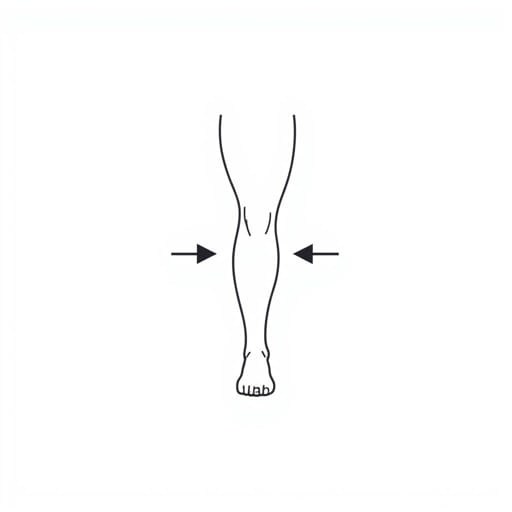
Leg abduction and adduction are essential movements in human locomotion, balance, and physical activity. These actions occur at the hip joint and involve moving the leg away from or toward the body’s midline. Both movements play a key role in walking, running, side-stepping, and maintaining proper posture. Understanding the biomechanics, muscles involved, and benefits of these motions helps improve physical performance, prevent injury, and support rehabilitation after muscular or joint problems.
Definition of Leg Abduction and Adduction
Leg Abduction
Leg abduction refers to the movement of the leg away from the midline of the body. This motion occurs primarily in the frontal plane and involves lifting the leg sideways away from the center. It is often seen in exercises like lateral leg raises or during activities such as getting out of bed sideways or stepping to the side.
Leg Adduction
Leg adduction is the opposite motion, where the leg moves back toward or across the midline of the body. It’s commonly seen when crossing the legs or when the legs are brought together during certain dance movements, strength exercises, or balance correction.
Anatomy of the Hip Joint
Both leg abduction and adduction occur at the hip joint, which is a ball-and-socket synovial joint. The femoral head (top of the thigh bone) fits into the acetabulum (socket of the pelvic bone), allowing for a wide range of motion including abduction and adduction.
The hip joint is supported by several strong ligaments and muscles that guide and control these movements.
Muscles Involved in Leg Abduction
Several muscles are responsible for carrying out abduction of the leg. These muscles work together to lift the leg laterally and stabilize the pelvis.
- Gluteus Medius: One of the primary abductors, located on the outer surface of the pelvis. It helps lift the leg sideways and maintains pelvic balance during walking.
- Gluteus Minimus: A smaller muscle beneath the gluteus medius that assists in hip abduction and internal rotation.
- Tensor Fasciae Latae (TFL): Located on the lateral aspect of the hip, this muscle contributes to both abduction and hip flexion.
- Sartorius: Although primarily a hip flexor, it assists with abduction when the hip is externally rotated.
Muscles Involved in Leg Adduction
Adduction is controlled by a group of muscles collectively referred to as the adductor group. These muscles pull the leg inward toward the body’s center.
- Adductor Longus: A long, slender muscle that helps draw the leg inward and stabilize the pelvis.
- Adductor Brevis: A shorter muscle located deep to the adductor longus, aiding in hip adduction.
- Adductor Magnus: The largest of the adductor group, it also plays a role in hip extension and internal rotation.
- Gracilis: A thin muscle that runs down the inner thigh and assists in both adduction and knee flexion.
- Pectineus: Located near the pelvis, it helps with both adduction and slight hip flexion.
Functional Role in Daily Activities
Leg abduction and adduction are not limited to sports or fitness routines. They are crucial in day-to-day activities:
- Walking and Running: These movements stabilize the pelvis and keep the body aligned.
- Balance: Proper functioning of abductors and adductors helps maintain upright posture and prevents falls.
- Changing Direction: When stepping sideways or adjusting body orientation, these muscles activate quickly.
- Sitting and Rising: Controlled movement during sitting and standing relies partly on adductor strength.
Exercises for Leg Abduction and Adduction
Strengthening these muscle groups enhances mobility, stability, and overall leg strength. Here are common exercises for each movement:
Leg Abduction Exercises
- Standing Side Leg Raise: Stand upright and lift one leg out to the side, keeping the torso stable.
- Side-Lying Leg Raise: Lie on one side and raise the top leg upward while keeping it straight.
- Cable Hip Abduction: Using a cable machine, pull the leg outward against resistance.
- Resistance Band Lateral Walks: Place a band around your thighs and walk sideways, engaging the outer hips.
Leg Adduction Exercises
- Standing Cable Adduction: Pull the leg inward across the body using a cable machine.
- Side-Lying Hip Adduction: Lie on your side and raise the bottom leg upward while keeping the top leg bent.
- Adduction Machine: Use a gym machine where both legs press inward against resistance.
- Ball Squeeze: Place a soft ball between the knees and squeeze while sitting or lying down.
Benefits of Strengthening Abductors and Adductors
Training both the abductor and adductor muscles offers a variety of physical benefits:
- Improved hip stability and balance
- Better coordination and agility
- Reduced risk of injuries, especially in the knees and lower back
- Enhanced performance in sports and physical activities
- Support for recovery after hip or groin injuries
Common Injuries Related to Leg Abduction and Adduction
Injuries to these muscle groups can result from overuse, poor form, or sudden forceful movements. Some common conditions include:
- Groin Strain: Often caused by overstretching the adductor muscles during sports or sudden movements.
- Hip Bursitis: Inflammation of the bursa near the hip joint, sometimes due to tight or overused abductors.
- IT Band Syndrome: Tightness of the iliotibial band, associated with repetitive side leg movement.
- Hip Labral Tear: Damage to the cartilage surrounding the hip socket, which may occur with imbalanced hip muscles.
Tips for Safe and Effective Training
To ensure you get the most out of leg abduction and adduction exercises without causing injury, follow these tips:
- Warm up thoroughly before training
- Start with low resistance and gradually increase intensity
- Focus on controlled movements with proper form
- Include both dynamic and static stretches for the hip muscles
- Allow adequate rest and recovery between workouts
Leg abduction and adduction are fundamental components of human movement and muscular control. These motions allow for side-to-side mobility, pelvis stabilization, and coordinated leg action. Whether you are an athlete, a fitness enthusiast, or someone seeking better mobility, incorporating exercises that target the hip abductors and adductors can lead to improved balance, strength, and injury resistance. With a deeper understanding of how these movements work and how to train them safely, anyone can benefit from stronger, more functional legs.