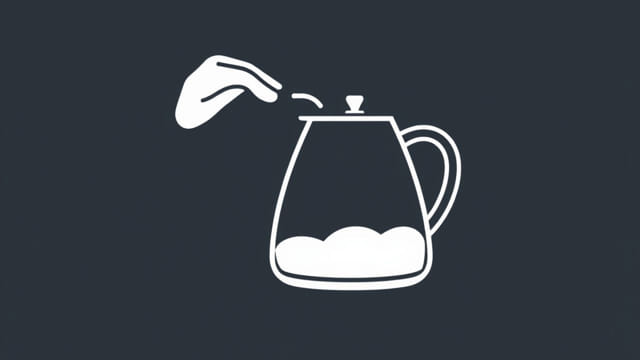
Having a clean kettle is essential not only for better tasting hot drinks but also for maintaining the efficiency and longevity of the appliance. Over time, limescale buildup caused by mineral deposits in hard water can accumulate inside the kettle, forming a white, chalky residue that affects both its performance and appearance. Fortunately, removing limescale from a kettle is easy with the right techniques, and doing so regularly helps preserve the quality of your daily tea, coffee, or other hot beverages. Understanding how to clean limescale from a kettle properly can make a noticeable difference in your kitchen routine.
What Is Limescale and Why Does It Form?
Understanding Limescale
Limescale is a hard, chalky deposit primarily made up of calcium carbonate. It forms when hard water water with a high concentration of dissolved minerals like calcium and magnesium is heated. As the water boils, these minerals precipitate and settle along the surfaces of heating elements and kettle interiors, especially on metal parts where heat is concentrated.
Effects of Limescale
- Reduced efficiency: Limescale buildup makes it harder for heating elements to transfer heat, requiring more energy and time to boil water.
- Shortened appliance life: Continuous buildup can damage the kettle’s internal components.
- Unpleasant taste: Mineral deposits can affect the taste and clarity of hot beverages.
- Aesthetic issues: The white residue can make your kettle look dirty even when it’s clean.
Signs That Your Kettle Has Limescale
Visible Indicators
The most obvious sign of limescale is the white or grey residue that appears on the bottom and sides of the kettle’s interior. It can sometimes look like flakes floating in the water or crusted layers stuck to the surface.
Functional Symptoms
- Water takes longer to boil than usual
- The kettle becomes noisier during operation
- Bits of scale can be seen in the poured water
- Hot drinks may have a metallic or chalky taste
How to Clean Limescale from Kettle Naturally
Using White Vinegar
White vinegar is one of the most effective natural solutions for limescale removal. It contains acetic acid, which dissolves calcium carbonate and breaks down buildup.
Steps:
- Fill the kettle halfway with equal parts white vinegar and water.
- Bring the solution to a boil and then turn off the kettle.
- Let it sit for 2030 minutes to allow the vinegar to dissolve the limescale.
- Pour out the mixture and scrub any remaining residue with a soft brush or cloth.
- Rinse thoroughly with clean water and boil fresh water once or twice to remove the vinegar smell.
Using Lemon Juice
Lemon juice is another gentle yet effective method. The citric acid works similarly to vinegar and leaves a pleasant citrus scent afterward.
Steps:
- Fill the kettle with water and add 23 tablespoons of lemon juice (or the juice of one whole lemon).
- Bring the solution to a boil and let it sit for 30 minutes.
- Pour it out, scrub any leftover deposits, and rinse thoroughly.
- Boil fresh water to remove any remaining acidity or lemon scent.
Using Baking Soda
Baking soda is mildly abrasive and can help in loosening limescale buildup. It works best when combined with vinegar or lemon for a two-step cleaning process.
Steps:
- Add one tablespoon of baking soda to a half-full kettle of water.
- Boil the water and let it cool for 1520 minutes.
- Scrub gently if needed, pour out, and rinse thoroughly.
Using Commercial Descaling Products
Advantages of Store-Bought Descalers
There are specially formulated descaling agents available that are safe for kettle use and highly effective at removing stubborn mineral buildup. These are especially useful if the kettle has not been cleaned in a long time or if home remedies have proven insufficient.
- Follow manufacturer instructions carefully
- Ensure the product is food-safe and kettle-compatible
- Rinse thoroughly after use to avoid any chemical taste
Safety Tips
Always wear gloves when handling strong descalers and ensure the room is well-ventilated. Store chemical products away from children and pets.
Cleaning the Exterior and Lid
Don’t Forget the Outside
While removing limescale is mostly an interior job, cleaning the outside of your kettle helps maintain overall hygiene and appearance. Use a damp cloth with mild dish soap to wipe down the exterior and lid. Avoid abrasive sponges that can scratch the surface, especially if your kettle is stainless steel or plastic-coated.
How Often Should You Descale Your Kettle?
The frequency of descaling depends on your local water hardness and how often you use your kettle.
- Hard water area: Descale every 12 weeks
- Moderate water area: Descale every 34 weeks
- Soft water area: Descale once every 2 months
If you’re unsure about your water hardness, limescale buildup is usually a good indicator. The faster it appears, the more aggressive your descaling routine should be.
Tips to Prevent Limescale Buildup
Use Filtered or Softened Water
Using filtered water reduces the amount of minerals entering your kettle. Installing a water softener or using a countertop filter pitcher can make a noticeable difference in the frequency of buildup.
Empty After Each Use
Don’t leave leftover water sitting in the kettle. Emptying it after use prevents minerals from settling and forming deposits at the bottom.
Dry the Kettle Interior
After cleaning or emptying, leave the lid open to let the interior dry. Wipe the bottom with a clean cloth to reduce moisture, which encourages limescale development.
When to Replace Your Kettle
If limescale keeps coming back quickly, or if your kettle has visible damage to the heating element or interior coating, it might be time to consider replacing it. In some cases, excessive mineral buildup can permanently impact performance or cause overheating.
Removing limescale from your kettle is a simple but essential part of home appliance maintenance. With easy-to-find ingredients like vinegar, lemon, or baking soda, or with specially designed descaling agents, you can restore your kettle to a clean, efficient state. Regular descaling improves the taste of your drinks, extends the life of your kettle, and ensures you’re boiling water in a safe and hygienic environment. Whether you’re a tea lover, coffee enthusiast, or just someone who relies on hot water daily, keeping your kettle limescale-free is a small habit with big benefits.