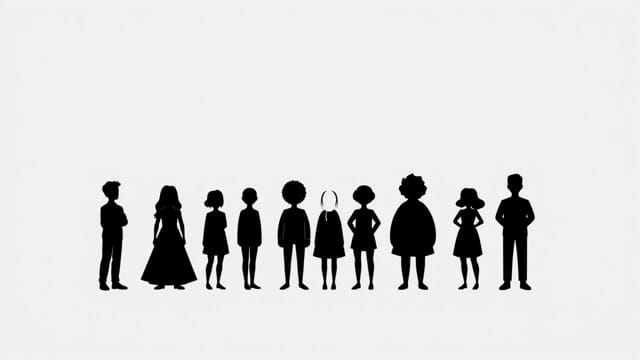
A Chorus Line is a groundbreaking Broadway musical that gives audiences a rare, intimate look into the world of dancers auditioning for a spot in a chorus line. Set on a bare stage during a grueling audition, the show explores the personal stories, struggles, and ambitions of its ensemble cast. What makes A Chorus Line so special is its focus on the characters themselves each dancer shares a deeply personal story that reveals not only their hopes and dreams but also the sacrifices they’ve made for the love of dance. The characters in A Chorus Line are not just performers they are individuals with distinct personalities, backgrounds, and emotional journeys, making them central to the musical’s powerful storytelling.
Main Characters in A Chorus Line
Each character in A Chorus Line brings a unique perspective to the stage. While the musical features a large ensemble, certain roles stand out because of their stories and contributions to the narrative. Below are some of the most memorable characters in the show, each representing different aspects of a dancer’s life and identity.
Zach
Zach is the choreographer and director of the audition. Though he doesn’t dance in the show, he plays a major role in guiding the narrative. As he questions each dancer, he pushes them to reveal who they really are beneath their dance technique. Zach represents the industry’s demand for honesty, vulnerability, and perfection.
Paul San Marco
Paul delivers one of the most moving monologues in the show. A gay Puerto Rican dancer, Paul shares a heartbreaking story about his struggle with identity, his experience in a drag show, and the emotional toll of hiding his truth. His story is a turning point in the show, leading to a deeper emotional connection among the characters and with the audience.
Sheila Bryant
Sheila is confident, sarcastic, and a little jaded. In her late 30s, she is one of the older dancers auditioning and often uses humor to mask her insecurities. She speaks about her troubled childhood and how dance was her escape. Sheila represents experience, resilience, and the fear of becoming irrelevant in a youth-focused industry.
Diana Morales
Diana is a proud Latina who brings energy and strength to the group. Her song Nothing recounts her frustration with a high school acting teacher who belittled her, and What I Did for Love showcases her belief in pursuing passion over fame. Diana stands for persistence, cultural pride, and emotional endurance.
Cassie Ferguson
Cassie is a former solo dancer trying to return to the chorus line. Her story is especially powerful because of her past relationship with Zach and her fall from stardom. Cassie’s solo The Music and the Mirror reflects her longing to dance again not for glory, but because it is who she is. Cassie’s journey reflects themes of reinvention, humility, and passion.
Mike Costa
Mike is energetic and self-assured. His song I Can Do That tells a light-hearted story of how he followed his sister into dance class and ended up falling in love with it. Mike represents spontaneity, joy, and natural talent. His story adds levity and reminds audiences that sometimes, a career in dance begins unexpectedly.
Val Clark
Val is bold and unashamed of the decisions she’s made to succeed. In her number Dance: Ten; Looks: Three, she talks candidly about undergoing cosmetic surgery to improve her appearance for auditions. Val’s character explores the theme of body image, the pressure to be visually appealing, and the tough choices performers sometimes face.
Richie Walters
Richie is charismatic, energetic, and upbeat. A former kindergarten teacher, he changed careers to follow his passion for dance. His number Gimme the Ball is vibrant and fun, revealing his zest for life and the stage. Richie symbolizes optimism and the courage to take risks.
Connie Wong
Connie is a petite dancer of Asian descent. Though she’s in her 20s, her small stature makes her look much younger, which affects how others perceive her. Connie’s story explores issues of cultural identity, representation, and the challenge of being taken seriously in a physically demanding field.
Bebe Benzenheimer
Bebe shares her feelings about not fitting in and struggling with self-worth. Her story contributes to the collective theme of body image and self-acceptance among performers. Bebe, like many others in the line, grew up feeling different and found dance as her refuge.
Judy Turner
Judy is bubbly, sweet, and a little scatterbrained. She adds comic relief to the group but also reveals vulnerability through her confusion about life and her place in the world. Her character highlights how even seemingly carefree performers deal with internal uncertainty and self-doubt.
Greg Gardner
Greg is witty and self-assured, with a sharp sense of humor. His story involves discovering his sexuality and dealing with societal expectations. Greg’s monologue blends humor and honesty, showing how deeply personal experiences shape a performer’s journey.
Group Dynamic and Ensemble Importance
While each character in A Chorus Line has a distinct background, the musical’s strength lies in how they come together as an ensemble. The show’s format where characters share stories one after another creates a mosaic of lived experiences, emphasizing that every dancer has a voice and every voice matters.
The ensemble format also reinforces the reality of auditions, where many talented individuals compete for limited roles. Despite the competition, there’s a sense of unity and mutual respect among the characters. Their shared passion for dance becomes a bond that transcends individual differences.
Major Themes Highlighted by the Characters
- Identity and self-expression: Each character’s story reveals how dance is intertwined with their personal identity and how they use it as a form of self-expression.
- Sacrifice and passion: Characters often speak about what they’ve given up family approval, financial stability, relationships to pursue a career in the arts.
- Aging and career longevity: Characters like Sheila and Cassie express fear about aging out of the industry and facing rejection after years of dedication.
- Diversity and inclusion: The cast includes characters of different races, sexual orientations, and socioeconomic backgrounds, making the show progressive for its time.
- Competition and camaraderie: Though they are all vying for the same roles, the characters support each other and form emotional connections throughout the audition process.
Impact of Characterization on the Audience
Audiences connect with the characters in A Chorus Line because their stories are universal. Whether it’s facing rejection, feeling insecure, pursuing a dream, or searching for purpose, these themes resonate with people from all walks of life. The characters are not just dancers they are representations of the human spirit in pursuit of something meaningful.
Through raw monologues and heartfelt songs, the characters invite viewers to reflect on their own lives. The musical doesn’t rely on elaborate sets or special effects; it draws strength from storytelling, vulnerability, and emotional truth. That’s what makes A Chorus Line timeless.
A Chorus Line is more than a musical about dancers it’s a deep, moving portrayal of individual stories that together form a rich tapestry of the performing arts world. Each character brings authenticity, emotion, and relatability, making the production a true ensemble masterpiece. Whether you’re a theater fan or someone simply interested in human stories, the characters in A Chorus Line offer a powerful, unforgettable experience.