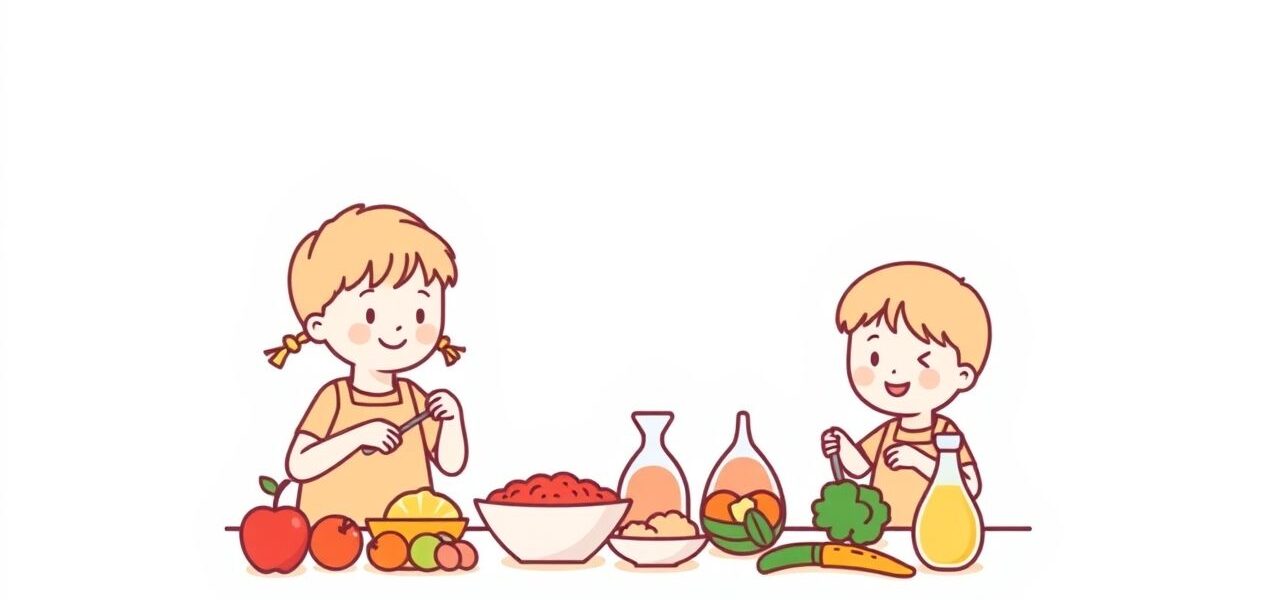
Helping kids make nutritious snacks is a fun and educational way to teach them about healthy eating. Instead of reaching for chips or candy, children can learn how to prepare simple, tasty, and wholesome snacks at home. When kids are involved in the kitchen, they feel proud of what they create, are more likely to try new foods, and begin forming lifelong healthy habits. These activities also offer chances to learn about food groups, kitchen safety, and the importance of balance in their daily meals.
Why Nutritious Snacks Matter for Kids
Supporting Growth and Development
Children are growing every day, and their bodies need the right fuel. Nutritious snacks help provide essential vitamins, minerals, and energy. Snacks that include fruits, vegetables, protein, and whole grains support brain development, strong bones, and good digestion.
Energy Between Meals
Kids often get hungry between breakfast, lunch, and dinner. Smart snacking gives them the energy they need to stay focused in school, enjoy physical activity, and stay in a good mood. Balanced snacks prevent the energy crashes that come from sugary or highly processed foods.
Encouraging Healthy Habits
When kids learn to make their own nutritious snacks, they begin to take ownership of their food choices. This builds independence and teaches them the value of planning ahead, preparing food with care, and choosing ingredients that support health.
What Makes a Snack Nutritious?
Balanced Ingredients
A nutritious snack should include a mix of the following:
- Protein: Helps build muscles and keeps you feeling full. Examples: nuts, yogurt, cheese, or beans.
- Fruits and Vegetables: Full of vitamins, fiber, and natural sweetness. Examples: apples, carrots, bananas, cucumbers.
- Whole Grains: Give lasting energy. Examples: whole wheat crackers, oats, popcorn.
- Healthy Fats: Important for brain health. Examples: avocado, nut butter, seeds.
Natural Over Processed
Snacks that come from fresh, whole foods are always better than packaged snacks that are full of sugar, salt, and preservatives. Teaching kids to spot the difference between real food and junk food is an important life skill.
Simple Nutritious Snack Ideas for Kids
Easy to Make and Fun to Eat
- Fruit Kabobs: Let kids thread pieces of banana, strawberry, grapes, and melon onto skewers.
- Veggie Faces: Use hummus on whole wheat toast and add slices of cucumber, bell pepper, and cherry tomatoes to make a funny face.
- Yogurt Parfaits: Layer plain yogurt with granola and berries in a clear cup for a colorful treat.
- Ants on a Log: Spread peanut butter on celery sticks and place raisins on top.
- Mini Sandwiches: Use whole grain bread and cut into fun shapes using cookie cutters. Add fillings like turkey, cheese, or egg salad.
- Trail Mix: Mix whole grain cereal, dried fruit, and a few dark chocolate chips or nuts.
Letting Kids Help in the Kitchen
Age-Appropriate Tasks
Even young children can help prepare their own snacks with the right supervision and tools. Giving them age-appropriate tasks helps them stay engaged and safe.
- 35 years: Wash fruit, spread peanut butter with a safe knife, pour ingredients, arrange food on plates.
- 68 years: Cut soft items with kid-friendly knives, mix ingredients in bowls, read simple recipes aloud.
- 912 years: Use the oven or blender with supervision, measure ingredients, follow full recipes independently.
As children get more comfortable in the kitchen, they gain confidence and responsibility. Letting them make choices about what to eat (within healthy limits) also makes them more likely to enjoy what they create.
Tips for Making Snack Time Healthy and Fun
Offer a Variety of Choices
Give kids options so they feel in control. Ask, Would you like apples with peanut butter or carrot sticks with hummus? Both choices are healthy, and letting them decide makes them more invested.
Keep Healthy Foods in Reach
Stock your kitchen with easy-to-grab healthy snacks. Pre-cut fruits and vegetables, small containers of yogurt, or bags of whole grain crackers make it easier for kids to choose well.
Use Bright Colors and Shapes
Kids are drawn to fun-looking food. Try using bento boxes, cookie cutters, or colorful plates. A snack that looks exciting is more likely to be eaten and enjoyed.
Limit Sugar and Packaged Foods
It’s okay to have a sweet treat once in a while, but most snacks should be made from whole foods. Read labels together and help kids understand how to spot added sugar and empty calories.
Creating Snack Routines
Set Regular Snack Times
Having set times for snacks like mid-morning and mid-afternoon helps prevent constant grazing and ensures kids are hungry at mealtime. This also gives structure to their day, especially during school or summer break.
Make a Weekly Snack Plan
At the start of each week, plan out a few snack ideas with your child. Let them help shop for ingredients and prep them ahead of time. This cuts down on last-minute choices and teaches planning skills.
Use Snack Time for Learning
While preparing snacks, talk about where food comes from, what each food does for the body, and how to balance meals. Turn snack time into a mini health lesson.
Benefits Beyond Nutrition
Family Bonding
Spending time in the kitchen together gives families a chance to connect. It creates special moments and helps build trust as kids take on more responsibility.
Developing Motor Skills and Focus
Chopping, measuring, and spreading are excellent for fine motor development. Following steps in a recipe also improves concentration and memory.
Boosting Confidence
Kids feel proud when they can say, I made this myself! Preparing nutritious snacks builds their confidence and independence in everyday life.
When kids make nutritious snacks, they are doing more than just eating they are learning, creating, and growing. Involving children in snack preparation encourages healthier food choices, teaches practical life skills, and helps them understand the importance of good nutrition. Whether it’s slicing fruit, layering yogurt parfaits, or making their own sandwich, kids love having the chance to make something they can enjoy. With the right guidance, snack time becomes a fun, educational, and tasty part of the day that supports a lifetime of wellness.