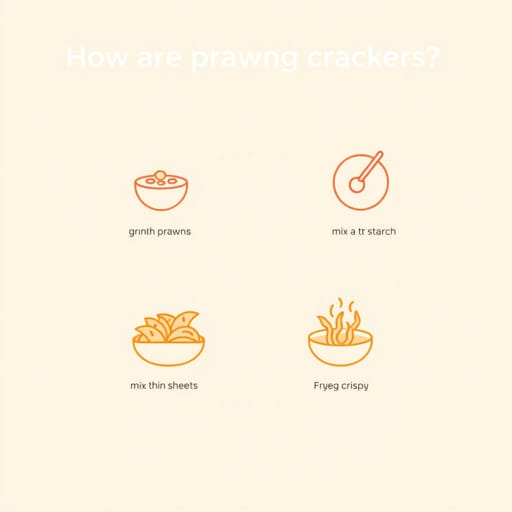
Prawn crackers are a popular snack enjoyed across Asia and around the world for their light, crunchy texture and savory, slightly seafood-like flavor. Often served as an appetizer in Chinese and Southeast Asian restaurants or sold in bags at local markets, these crispy bites spark curiosity about how they are actually made. The process involves more than just frying there’s a fascinating method behind turning prawn paste and starch into airy, crunchy crackers that expand dramatically in hot oil. Understanding how prawn crackers are made can give you a deeper appreciation of the craftsmanship and tradition behind this timeless snack.
Ingredients Used in Prawn Crackers
Core Components
The basic ingredients for prawn crackers are simple, yet each plays a crucial role in their unique texture and taste. These include:
- Prawns or Shrimp: Fresh or dried prawns are used, depending on the recipe. These provide the signature flavor of the cracker.
- Tapioca Starch: Also known as cassava flour, this is the primary starch that gives prawn crackers their elasticity and crisp texture when fried.
- Salt and Sugar: These enhance the flavor of the prawn mixture.
- Water: Used to create a workable dough from the blended ingredients.
Optional Additions
Some recipes include additional ingredients to enhance color or flavor, such as:
- White pepper or garlic powder
- Food coloring (pink or orange) for visual appeal
- MSG or other flavor enhancers in commercial versions
Step-by-Step Process of Making Prawn Crackers
1. Preparing the Prawn Paste
The first stage begins with blending peeled and deveined prawns into a smooth paste. This can be done using a food processor or a mortar and pestle. The prawns are combined with salt, a bit of sugar, and seasonings to intensify the umami flavor. Once the prawn mixture is finely ground, tapioca starch is added slowly until a dense dough forms. This dough should be firm but pliable, similar to bread dough in consistency.
2. Shaping and Steaming the Dough
After kneading the dough, it is rolled into long cylindrical logs, usually around 2 inches in diameter. These logs are wrapped tightly in plastic or placed on a greased tray and steamed for 30 to 60 minutes. Steaming helps cook the starch and prawn mixture, solidifying the logs so they can be sliced later. Once cooked, the logs become firm and rubbery in texture. At this stage, they are cooled completely and sometimes refrigerated overnight for easier slicing.
3. Slicing into Thin Rounds
The firm prawn logs are then sliced into very thin discs using a sharp knife or mandolin. The thinner the slice, the better it will puff up during frying. Thickness can range from 1mm to 2mm, depending on personal preference. Commercial producers may use machines for precision, but in traditional or homemade recipes, this part is still done by hand.
4. Drying the Slices
This is one of the most important stages in making prawn crackers. The thin slices must be fully dried before frying to prevent them from becoming soggy or greasy. There are a few ways to dry the slices:
- Sun-Drying: Traditionally, the prawn slices are laid out in direct sunlight for 1 to 2 days until they become hard and brittle.
- Oven-Drying: In modern kitchens, the slices can be dried in a low-temperature oven (around 60°C or 140°F) for several hours.
- Dehydrator: For a consistent result, a food dehydrator works well and speeds up the process.
Proper drying ensures that the crackers will puff up quickly and evenly when fried.
5. Frying the Crackers
Once dried, the crackers are ready to be fried. This step transforms the hard discs into light, puffed snacks in seconds. A high smoke-point oil such as vegetable or peanut oil is heated to around 180°C (350°F). The dried prawn slices are dropped into the oil one or two at a time. Within seconds, they expand and float to the surface. It’s important not to overcrowd the pan, as the crackers need space to puff. After just a few seconds, the crackers are removed with a slotted spoon and drained on paper towels to remove excess oil.
Homemade vs. Commercial Prawn Crackers
Homemade Versions
Homemade prawn crackers offer a fresher taste and allow for customization in flavor and ingredients. They can be made with higher prawn content, less salt, and without artificial additives. However, the process is labor-intensive and requires drying time, which may not be convenient for all home cooks.
Store-Bought Options
Most commercially available prawn crackers come in pre-dried form and need to be fried at home. These often have added preservatives and colorings to ensure long shelf life and visual appeal. Some brands even offer ready-to-eat prawn crackers that have already been fried and packaged. While convenient, these may have a different taste and texture compared to fresh, homemade versions.
Regional Variations
Southeast Asian Styles
Prawn crackers are especially popular in countries like Indonesia, Malaysia, Thailand, and Vietnam. In Indonesia, they are known as ‘krupuk udang’ and are a common accompaniment to rice dishes. In Malaysia and Thailand, variations may include additional spices like chili or lemongrass. Vietnamese versions are often thinner and more delicate.
Chinese-Style Prawn Crackers
Chinese prawn crackers, commonly served in restaurants or as snacks during festive occasions, tend to be slightly puffier and often come in various colors like pink, green, and white. These are especially popular during Lunar New Year celebrations.
Health and Nutritional Considerations
What’s in a Serving?
Prawn crackers are low in protein and mostly composed of starch and fat from frying. While they are tasty, they are not considered a health food. One serving (about 20g) contains:
- 80100 calories
- 68 grams of fat
- 1015 grams of carbohydrates
- 12 grams of protein
Because they are deep-fried, they should be enjoyed in moderation as part of a balanced diet.
Gluten-Free Option
Since prawn crackers are typically made with tapioca starch and not wheat flour, they are naturally gluten-free. However, always check the packaging for cross-contamination if gluten sensitivity is a concern.
Tips for Perfect Prawn Crackers at Home
- Use fresh prawns for the best flavor, or dried shrimp for a stronger umami kick.
- Make sure the slices are completely dry before frying to avoid sogginess.
- Store dried slices in an airtight container if you’re not frying them immediately.
- Fry in small batches to allow each slice enough room to expand fully.
Prawn crackers may seem like a simple snack, but the process behind making them is a blend of traditional knowledge, patience, and technique. From prawn paste to crispy delight, each step from steaming to slicing and drying plays a role in achieving the perfect puff. Whether homemade or store-bought, these crackers remain a staple in Asian cuisine and continue to delight people across the globe. By understanding how prawn crackers are made, you gain not only appreciation for their craftsmanship but also the inspiration to try making them yourself.