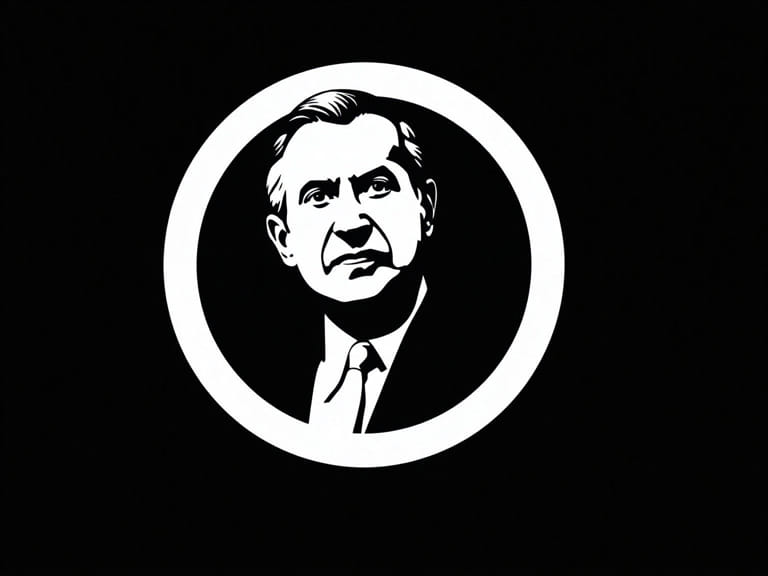
Lyndon B. Johnson, often remembered simply as LBJ, was the 36th President of the United States and one of the most influential leaders in the mid-20th century. His presidency was marked by sweeping reforms in civil rights, healthcare, education, and poverty reduction, alongside a controversial escalation of the Vietnam War. Understanding his life, political career, and legacy offers valuable insights into American politics, the balance between progress and conflict, and the challenges of leadership during a transformative era in history.
Early Life and Education
Lyndon Baines Johnson was born on August 27, 1908, in Stonewall, Texas. He grew up in a modest household where financial struggles were common, but he was deeply influenced by his parents, particularly his father’s involvement in state politics. These early experiences shaped his empathy for rural families and his desire to use politics as a tool for social change.
Educational Path
Johnson attended Southwest Texas State Teachers College, now Texas State University, where he studied to become a teacher. During his time in school, he demonstrated strong leadership skills and a natural talent for persuasion. After graduating, he briefly worked as a teacher, where he saw firsthand the struggles of Mexican-American students facing poverty and discrimination. This experience strongly influenced his later commitment to education reform and social equality.
Entry into Politics
Johnson’s political career began in earnest when he worked as a congressional aide in the 1930s. He quickly impressed political leaders with his energy and ability to get things done. In 1937, at the age of 29, he was elected to the U.S. House of Representatives, where he served until moving on to the Senate in 1949.
Career in the Senate
In the Senate, Johnson rose quickly through the ranks. By 1955, he had become the Senate Majority Leader, making him one of the most powerful figures in Washington. Known for his Johnson Treatment, a mix of persuasion, charm, and pressure, he could bend colleagues to his will and push through legislation. His mastery of legislative strategy laid the foundation for his later success as president.
Vice Presidency under John F. Kennedy
In 1960, Johnson was selected as the running mate of John F. Kennedy. Though their relationship was sometimes tense, Johnson’s experience and connections in Congress helped strengthen the Democratic ticket. After Kennedy’s victory, Johnson became Vice President, a role in which he often felt sidelined. However, the tragic assassination of Kennedy in 1963 thrust Johnson into the presidency, forever changing his role in history.
The Presidency of Lyndon B. Johnson
When Johnson assumed office on November 22, 1963, he faced the daunting task of leading a nation in shock. Yet he quickly demonstrated determination to carry forward Kennedy’s vision while also establishing his own ambitious agenda. Johnson believed that government had a responsibility to improve the lives of its citizens, and his domestic policies reflected that belief.
The Great Society
One of Johnson’s most enduring legacies was his vision of the Great Society, a broad set of programs aimed at eliminating poverty, reducing racial injustice, and expanding educational and healthcare opportunities. The Great Society represented one of the most ambitious domestic reform agendas in U.S. history.
- Civil RightsJohnson pushed through landmark legislation, including the Civil Rights Act of 1964 and the Voting Rights Act of 1965, which outlawed segregation and protected the right to vote for African Americans.
- War on PovertyHe launched initiatives such as Medicare, Medicaid, Head Start, and food assistance programs to support vulnerable populations.
- Education ReformJohnson championed federal funding for schools and higher education, believing that access to education was key to opportunity.
- Environmental ProtectionHe also advanced laws promoting conservation and improving air and water quality.
Civil Rights Leadership
Lyndon B. Johnson is often remembered as one of the strongest presidential advocates for civil rights. Despite being a Southerner himself, he recognized that America could not claim to be a true democracy while discrimination persisted. His partnership with civil rights leaders and his ability to push Congress into action marked a turning point in U.S. history.
Challenges and Achievements
Passing civil rights legislation was not easy. Johnson faced strong opposition from many in the South, but he used his deep understanding of the legislative process to overcome obstacles. His statement after signing the Civil Rights Act acknowledging that Democrats had likely lost the South for a generation showed his willingness to sacrifice political capital for the greater good.
The Vietnam War
Despite his domestic successes, Johnson’s presidency was overshadowed by the Vietnam War. Initially, Johnson escalated U.S. involvement in Vietnam in hopes of containing communism and avoiding the perception of weakness. However, as the war dragged on, public opinion turned against him. Television broadcasts brought the brutality of the conflict into American homes, fueling protests and eroding trust in government.
Impact on Johnson’s Legacy
The Vietnam War became the most controversial aspect of Johnson’s presidency. While he achieved historic progress at home, the growing costs of war in terms of lives, money, and political division weakened his popularity. In 1968, facing mounting criticism, Johnson shocked the nation by announcing he would not seek reelection.
Later Years and Retirement
After leaving the presidency in 1969, Johnson returned to his Texas ranch. He spent his remaining years writing his memoirs and reflecting on his time in office. Although his health declined, he remained engaged with public affairs until his death on January 22, 1973.
Reflection on His Presidency
Historians continue to debate Johnson’s legacy. On one hand, he was a champion of civil rights and social reform who expanded the role of government in improving lives. On the other, his handling of Vietnam cast a long shadow over his achievements. Many scholars argue that his domestic policies remain among the most significant of any modern president.
Legacy and Historical Impact
Lyndon B. Johnson’s presidency illustrates the complexities of leadership. He was both a reformer and a politician, capable of great empathy and fierce determination. His ability to navigate Congress produced some of the most important legislation in American history, particularly in the areas of civil rights and social welfare. At the same time, his foreign policy decisions revealed the limits of U.S. power and the dangers of escalation in conflict.
- He transformed healthcare with Medicare and Medicaid.
- He advanced civil rights like no president before him.
- He left a controversial legacy with the Vietnam War.
About Lyndon B. Johnson, one can say he embodied both the promise and the struggles of American leadership during the 1960s. His presidency brought groundbreaking progress in social justice, education, and healthcare, yet it was also marked by deep divisions caused by the Vietnam War. Johnson’s life story is a reminder of how political power can be used for profound good, but also how difficult decisions in times of conflict can define a leader’s legacy. His influence remains woven into the fabric of modern America, ensuring that his complex and transformative presidency will continue to be studied for generations.