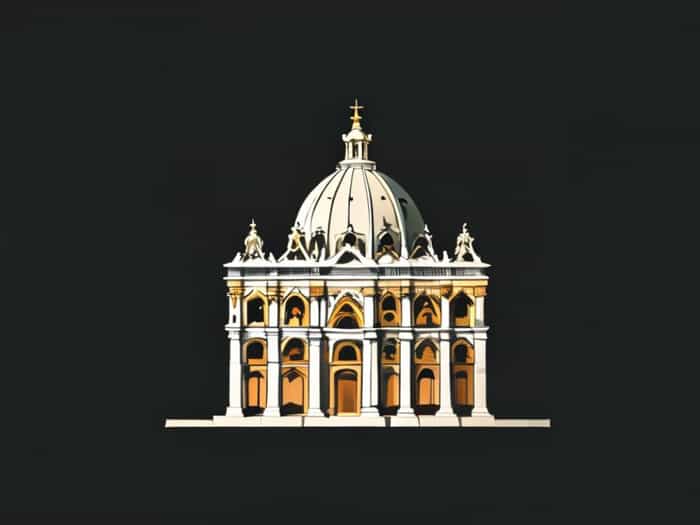
The Sistine Chapel is one of the most iconic and awe-inspiring landmarks in the world, attracting millions of visitors each year. Located within Vatican City, it is renowned not only for its religious significance but also for its extraordinary artistic masterpieces. The chapel serves as a symbol of human creativity and devotion, combining stunning architecture with some of the most famous frescoes ever created. From Michelangelo’s ceiling to the Last Judgment, the Sistine Chapel tells stories that have captivated generations, blending theology, history, and art in a way that few places in the world can match.
History and Construction of the Sistine Chapel
The Sistine Chapel was commissioned by Pope Sixtus IV, after whom it is named, in the late 15th century. Construction began in 1473 and was completed in 1481, marking the chapel as a masterpiece of Renaissance architecture. Its design follows the traditional layout of a rectangular hall with a slightly vaulted ceiling, measuring approximately 40.9 meters long and 14 meters wide. The proportions of the chapel are believed to be based on the dimensions of Solomon’s Temple in Jerusalem, emphasizing its spiritual significance.
The chapel has served multiple purposes over the centuries, primarily as a site for papal ceremonies and religious functions. It is famously known as the location where the College of Cardinals gathers to elect a new pope in the conclave, making it a place of immense historical and spiritual importance. Its role in the Catholic Church has contributed to the preservation of both its architecture and its artworks, allowing future generations to experience its grandeur.
Architecture and Design
The architectural features of the Sistine Chapel reflect the elegance and simplicity characteristic of Renaissance design. Its rectangular shape and barrel-vaulted ceiling provide a perfect canvas for artistic decoration, emphasizing harmony and proportion. The walls are adorned with frescoes that depict scenes from the lives of Moses and Jesus, painted by a team of prominent Renaissance artists including Botticelli, Perugino, Ghirlandaio, and Rosselli.
Key Architectural Features
- Barrel-Vaulted CeilingProvides a large, continuous surface for frescoes, allowing for expansive storytelling.
- Rectangular LayoutDesigned for processions, ceremonies, and large gatherings, supporting both function and aesthetics.
- Large WindowsOffer natural light, illuminating the intricate details of the frescoes.
- Ornamental DetailsClassical elements such as cornices and pilasters add a refined elegance to the chapel’s interior.
The combination of architectural precision and decorative artistry makes the Sistine Chapel a cohesive work of art, blending structure and storytelling in a seamless manner.
Michelangelo and the Ceiling Frescoes
Perhaps the most famous feature of the Sistine Chapel is its ceiling, painted by Michelangelo between 1508 and 1512. Initially, Michelangelo was reluctant to accept the commission, as he considered himself a sculptor rather than a painter. However, his work on the ceiling would come to redefine Renaissance art and secure his legacy as one of history’s greatest artists.
The ceiling frescoes depict nine scenes from the Book of Genesis, including the iconicCreation of Adam. These scenes are framed by figures of prophets and sibyls, illustrating a connection between divine inspiration and human destiny. Michelangelo’s use of perspective, anatomy, and dramatic composition conveys a powerful narrative that continues to captivate viewers today.
Highlights of the Ceiling
- The Creation of AdamDepicts God reaching out to touch Adam’s hand, symbolizing the spark of life and human potential.
- The Separation of Light from DarknessShows the divine act of creation, emphasizing order and balance.
- The Fall of Man and Expulsion from EdenIllustrates humanity’s moral journey and the consequences of choices.
- The FloodHighlights divine justice and the power of renewal.
Michelangelo’s ceiling is celebrated not only for its religious significance but also for its artistic innovation. His mastery of foreshortening, dynamic poses, and complex compositions set a new standard for painting and influenced generations of artists.
The Last Judgment
In addition to the ceiling, Michelangelo paintedThe Last Judgmenton the altar wall of the Sistine Chapel between 1536 and 1541. This massive fresco depicts the Second Coming of Christ and the final judgment of souls, a theme of immense theological and artistic importance. Figures of angels, saints, and sinners are arranged in a dramatic composition that conveys both fear and hope, illustrating the duality of divine justice and mercy.
The Last Judgment was groundbreaking in its boldness and scale, incorporating intense emotion and physicality. Michelangelo’s treatment of the human form, combined with his vivid storytelling, created a visual narrative that continues to be studied and admired by art historians and visitors alike.
Other Artistic Contributions
While Michelangelo’s works dominate the Sistine Chapel, the walls feature contributions from other Renaissance masters. These frescoes focus on the parallel lives of Moses and Jesus, drawing connections between the Old and New Testaments. Artists such as Sandro Botticelli, Pietro Perugino, and Domenico Ghirlandaio brought their own styles and techniques to the chapel, resulting in a rich tapestry of color, composition, and religious storytelling.
Notable Wall Frescoes
- Life of MosesIllustrates key moments from Moses’ leadership and spiritual journey.
- Life of ChristDepicts events from Jesus’ ministry, emphasizing teachings, miracles, and sacrifice.
- Papal PortraitsHonoring the popes of the period and their influence on church and culture.
The collaboration of multiple artists contributes to the Sistine Chapel’s richness, combining individual genius with collective vision to create a cohesive and inspiring space.
Visiting the Sistine Chapel
Today, the Sistine Chapel is a major tourist and religious destination, welcoming millions of visitors annually. It is part of the Vatican Museums, and guided tours provide insights into its history, architecture, and artistic masterpieces. Visitors are encouraged to observe the artworks silently and respectfully, preserving the sacred atmosphere of the chapel.
Visitor Experience
- Guided ToursOffer historical context and detailed explanations of the frescoes.
- Audio GuidesProvide flexibility for self-paced exploration with educational commentary.
- Photography GuidelinesLimited to preserve the integrity of the artworks.
- Special ExhibitsOccasionally, exhibits and presentations enhance understanding of the chapel’s significance.
Visiting the Sistine Chapel is a transformative experience, allowing people to appreciate not only the grandeur of the art but also its historical, spiritual, and cultural significance.
The Sistine Chapel is more than an architectural or artistic marvel; it is a profound testament to human creativity, faith, and devotion. From its historical construction under Pope Sixtus IV to Michelangelo’s legendary frescoes, every element of the chapel tells a story of human ambition and divine inspiration. Its ceiling, The Last Judgment, and the surrounding wall frescoes provide an unparalleled glimpse into Renaissance art and religious thought. For millions of visitors each year, the Sistine Chapel is a place to reflect, marvel, and connect with centuries of artistic and spiritual achievement. Experiencing it firsthand is an unforgettable journey through history, culture, and the extraordinary potential of human imagination.