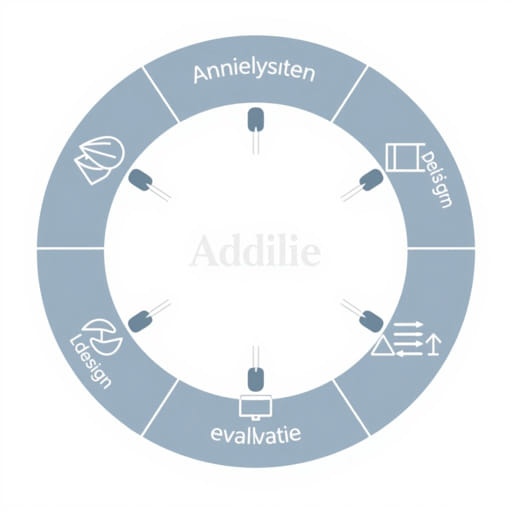
The ADDIE Model of Instructional Design is one of the most widely recognized frameworks for creating effective training and learning programs. It provides a structured approach to developing instructional materials and ensures that the learning process is efficient, systematic, and results-oriented. The model consists of five essential phases: Analysis, Design, Development, Implementation, and Evaluation. Each stage serves a unique purpose in the instructional design process, guiding educators, trainers, and instructional designers in creating engaging and impactful learning experiences. Understanding the ADDIE model is crucial for anyone involved in education, corporate training, or e-learning development.
What is the ADDIE Model?
The ADDIE model is a systematic instructional design framework that helps professionals create high-quality training programs. Originally developed in the 1970s for military training, it has since become a standard method in education and business environments. The acronym ADDIE represents the five phases that guide instructional development. These steps ensure that training is not only informative but also practical and effective for learners.
The Five Phases of the ADDIE Model
1. Analysis
The analysis phase is the foundation of the ADDIE model. During this stage, instructional designers identify the learning needs, define goals, and understand the target audience. A clear understanding of these elements ensures that the training program addresses specific performance gaps and organizational objectives.
Key activities in the analysis phase include:
- Assessing learners’ existing knowledge and skills.
- Determining learning objectives based on needs assessment.
- Identifying constraints such as time, budget, and resources.
- Analyzing the learning environment and available technology.
The goal of the analysis phase is to gather enough information to design a program that meets both learner and organizational needs effectively.
2. Design
The design phase focuses on planning the structure and format of the training program. At this stage, instructional designers create blueprints for content delivery, assessments, and instructional strategies. The design process ensures that the program is aligned with the objectives defined in the analysis phase.
Key tasks in this stage include:
- Developing a detailed course outline.
- Selecting the instructional strategies (e.g., lectures, simulations, group discussions).
- Designing the assessment tools to measure learning outcomes.
- Planning the flow of lessons and sequencing content logically.
The design phase is crucial because it sets the framework for the entire learning experience, ensuring consistency and coherence throughout the program.
3. Development
The development phase is where the actual instructional materials are created. This includes producing e-learning modules, writing manuals, designing multimedia content, and building assessments. Development often involves collaboration between subject matter experts, graphic designers, and multimedia specialists.
Activities in the development phase include:
- Creating course materials such as slides, videos, and handouts.
- Building e-learning modules using authoring tools.
- Conducting quality assurance checks to ensure accuracy and usability.
- Reviewing and revising content based on feedback from stakeholders.
By the end of this phase, the instructional program should be fully developed and ready for implementation.
4. Implementation
During the implementation phase, the training program is delivered to learners. This stage involves logistical planning, such as scheduling sessions, setting up the learning environment, and ensuring that all materials and technology are functioning properly. The implementation phase can include classroom instruction, online training, or blended learning approaches.
Key responsibilities include:
- Training instructors or facilitators to deliver the content effectively.
- Providing learners with access to necessary materials and resources.
- Ensuring that technical support is available for online platforms.
- Monitoring the learning process to identify potential issues.
The success of this phase depends on proper preparation and communication to ensure a smooth learning experience for participants.
5. Evaluation
The final phase of the ADDIE model is evaluation, which measures the effectiveness of the instructional program. Evaluation occurs at two levels: formative and summative. Formative evaluation happens throughout the development process to make improvements before full implementation. Summative evaluation takes place after the program is delivered to assess its overall success.
Evaluation methods include:
- Collecting feedback from learners and instructors.
- Analyzing assessment results to measure knowledge retention.
- Determining whether the learning objectives were achieved.
- Assessing the return on investment (ROI) for the organization.
The evaluation phase provides valuable insights for continuous improvement and helps determine if the training program should be revised or expanded.
Benefits of Using the ADDIE Model
The ADDIE model offers numerous advantages for instructional design. These benefits include:
- Structured Approach: The five phases ensure a logical and organized process.
- Flexibility: ADDIE can be adapted for different learning environments and delivery methods.
- Continuous Improvement: Ongoing evaluation allows for adjustments to improve effectiveness.
- Focus on Learner Needs: The analysis phase ensures that training aligns with learner requirements.
- Cost-Effectiveness: Systematic planning reduces wasted resources and increases ROI.
Applications of the ADDIE Model
The ADDIE model is used in a variety of contexts, including:
- Corporate training programs for employee development.
- Higher education curriculum design.
- E-learning and online course creation.
- Military and government training programs.
- Healthcare and technical skills training.
Its adaptability makes it a popular choice among instructional designers across industries.
Tips for Effective Implementation of ADDIE
To maximize the benefits of the ADDIE model, consider these best practices:
- Engage stakeholders early in the process to gather input and gain support.
- Document each phase thoroughly for transparency and accountability.
- Leverage technology for design, development, and delivery to enhance engagement.
- Conduct pilot tests before full implementation to identify potential improvements.
- Regularly update training materials to keep them relevant and accurate.
The ADDIE Model of Instructional Design remains a cornerstone in the field of education and training because of its structured, adaptable, and results-driven approach. By following the five phases Analysis, Design, Development, Implementation, and Evaluation educators and instructional designers can create programs that meet learners’ needs and deliver measurable outcomes. Whether for classroom teaching, corporate training, or e-learning development, the ADDIE model ensures that instructional content is not only effective but also engaging and impactful. Its emphasis on evaluation and continuous improvement makes it an indispensable tool for modern instructional design.