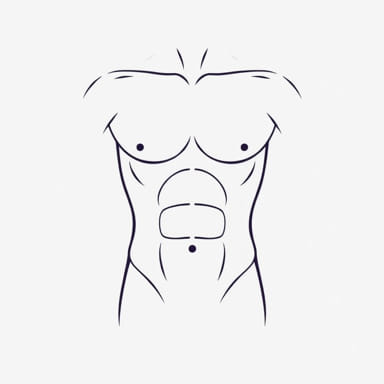
The male torso plays a vital role in supporting body movement, protecting internal organs, and connecting the upper and lower parts of the body. It is a central structure composed of bones, muscles, and internal systems that all work together in a coordinated way. From breathing to posture, strength, and flexibility, the anatomy of the male torso is fundamental to overall function and physical performance. Understanding how the torso is structured helps in recognizing its significance in health, fitness, and medical care.
Overview of the Male Torso
Definition and Boundaries
The torso, also referred to as the trunk, is the central part of the body excluding the head, neck, and limbs. In men, the torso extends from the base of the neck to the pelvis. It includes the chest, abdomen, back, and sides. This region houses several essential organs and is supported by a framework of bones and muscles that contribute to physical strength and mobility.
Main Regions of the Torso
- Thoracic (Chest) Region
- Abdominal Region
- Pelvic Region
- Dorsal (Back) Region
Each of these regions has its own unique anatomical components, but all are interconnected and function together to maintain bodily integrity.
Muscles of the Male Torso
Major Muscle Groups
The male torso is characterized by several key muscle groups, especially in the chest, abdomen, and back. These muscles not only provide movement and support but also influence posture and appearance.
- Pectoralis Major and Minor: Located in the chest, these muscles control arm movements and contribute to upper body strength.
- Rectus Abdominis: Often referred to as ‘abs,’ this muscle runs vertically along the front of the abdomen and is crucial for core stability.
- Obliques (Internal and External): These muscles run diagonally along the sides of the abdomen, aiding in rotation and lateral bending of the torso.
- Latissimus Dorsi: A large muscle in the back that helps in pulling motions and supports spinal movement.
- Trapezius: Extending from the neck to the mid-back, this muscle helps control the shoulder blades and neck movement.
- Erector Spinae: A deep group of muscles that run along the spine and assist in standing, lifting, and bending.
Functions of Torso Muscles
These muscles work together to perform several important functions:
- Support the spine and maintain posture
- Enable twisting and bending motions
- Facilitate breathing through movement of the rib cage
- Protect internal organs by providing a muscular shield
- Generate force for lifting, pulling, and pushing actions
Bones of the Male Torso
Structural Framework
The skeletal system of the male torso provides shape and protection. It is composed of several key bones that form the core of the upper body.
- Spine (Vertebral Column): The spine consists of 33 vertebrae, divided into cervical, thoracic, lumbar, sacral, and coccygeal sections. The thoracic and lumbar regions are most associated with the torso.
- Ribs: The rib cage consists of 12 pairs of ribs that protect the heart and lungs and assist in breathing.
- Sternum: Commonly known as the breastbone, it connects to the ribs and provides central chest support.
- Pelvis: The pelvic bones support abdominal organs and anchor lower body muscles.
Together, these bones form the backbone of the torso, offering both flexibility and durability.
Internal Organs Within the Male Torso
Vital Organs in the Chest and Abdomen
The male torso houses many of the body’s vital organs, primarily within the thoracic and abdominal cavities.
- Heart: Located in the chest, slightly left of center, the heart pumps blood throughout the body.
- Lungs: Situated on either side of the heart, they facilitate the exchange of oxygen and carbon dioxide.
- Liver: A large organ in the upper right abdomen responsible for detoxifying chemicals and producing bile.
- Stomach: Located on the left side of the upper abdomen, it begins the digestion of food.
- Intestines: Including the small and large intestines, they absorb nutrients and eliminate waste.
- Kidneys: Found near the lower back, they filter blood and maintain fluid balance.
Other Important Organs
Additional components include the pancreas, gallbladder, spleen, bladder, and various glands. All are protected by the muscular and skeletal systems of the torso.
Nervous and Circulatory Systems in the Torso
Nerve Pathways
The spinal cord runs through the vertebral column, carrying signals between the brain and the body. Numerous nerves branch out from the spine to the muscles and organs of the torso, controlling movement and bodily functions.
Major Blood Vessels
The torso contains critical blood vessels including:
- Aorta: The main artery that delivers oxygen-rich blood from the heart to the body.
- Vena Cava: Large veins that return deoxygenated blood to the heart.
- Coronary Arteries: Supply the heart muscle with blood.
The circulatory system within the torso ensures that all tissues receive the nutrients and oxygen they need.
Respiratory and Digestive Functions
Role of the Diaphragm
The diaphragm is a dome-shaped muscle that separates the chest and abdominal cavities. It plays a crucial role in respiration by contracting and relaxing during breathing.
Digestive Tract Path
Food travels from the esophagus into the stomach and then through the intestines for nutrient absorption. The torso houses these organs, making it central to digestion and energy production.
Posture and Movement
Core Stability
Muscles of the torso are essential for core stability. They allow for balance and coordination in everyday movements such as walking, lifting, and turning.
Flexibility and Mobility
Back and abdominal muscles provide the flexibility needed for a full range of motion. Weak or tight torso muscles can lead to posture problems or injury.
Health and Fitness Implications
Maintaining Torso Health
Exercise, proper posture, and a balanced diet are key to maintaining the health of the male torso. Core workouts, including planks, crunches, and resistance training, help build strength and prevent injury.
Common Torso-Related Conditions
- Muscle strains
- Herniated discs
- Postural misalignment
- Respiratory conditions
- Digestive disorders
Regular check-ups and awareness of torso anatomy can aid in early detection and treatment of such issues.
The anatomy of the male torso reveals a complex and interconnected system essential to life and movement. With strong bones, powerful muscles, and critical internal organs, the torso supports vital bodily functions while also serving as a key component in physical strength and endurance. A thorough understanding of this region enables better health practices, improved fitness, and a deeper appreciation for the body’s capabilities.