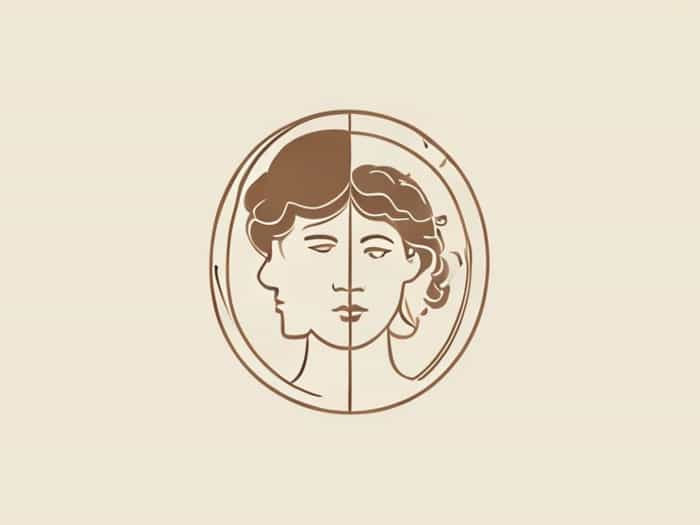
The concepts of Apollonian and Dionysian art come from ancient Greek mythology and were later explored deeply by the German philosopher Friedrich Nietzsche in his bookThe Birth of Tragedy. These two opposing forces represent different aspects of human creativity and experience. The Apollonian symbolizes order, logic, and clarity, while the Dionysian embodies passion, chaos, and instinct. Together, they describe the tension between control and freedom that shapes all forms of art and culture. Understanding these two forces offers valuable insight into how beauty, emotion, and intellect interact in artistic expression.
The Origins of the Apollonian and Dionysian Concepts
The terms Apollonian and Dionysian originate from the names of two Greek gods Apollo and Dionysus. Apollo was the god of the sun, reason, harmony, and the arts that emphasize structure, such as poetry and sculpture. Dionysus, on the other hand, was the god of wine, fertility, and ecstasy, representing instinct, passion, and the dissolution of boundaries.
Nietzsche used these mythological symbols to describe two fundamental forces in art and human nature. For him, great art arises when these forces interact rather than when one dominates the other. The Apollonian brings balance and form, while the Dionysian brings energy and emotion. Without structure, emotion becomes chaos; without emotion, structure becomes lifeless. Their harmony produces the most powerful artistic experiences.
The Apollonian Aspect of Art
Apollonian art is guided by reason, symmetry, and discipline. It reflects clarity of form and control over emotion. This aspect values beauty, proportion, and restraint, encouraging the artist to channel creative energy through order. The Apollonian spirit seeks perfection, harmony, and a sense of serenity. It appeals to the intellect more than to raw feeling.
Characteristics of Apollonian Art
- Emphasis on structure and balance.
- Focus on reason and clarity rather than emotional intensity.
- Preference for idealized forms and controlled expression.
- Harmony between different parts of a composition.
- Reflection of human logic and the pursuit of truth.
Classical Greek sculpture provides an excellent example of Apollonian art. Statues like those of Apollo or Athena are defined by proportion, ideal beauty, and calm expression. The artists aimed to represent human perfection through measured form, not through emotional excess. Similarly, in architecture, structures such as the Parthenon embody symmetry, order, and rational design key elements of the Apollonian ideal.
Apollonian Art in Modern Contexts
In modern times, Apollonian qualities appear in works that value precision and conceptual clarity. Minimalist design, classical music compositions by Mozart, or even contemporary digital art that emphasizes geometry and balance reflect this principle. The Apollonian artist strives to bring structure to creativity, showing that discipline can itself be a form of beauty.
The Dionysian Aspect of Art
Dionysian art, in contrast, is driven by emotion, instinct, and spontaneity. It celebrates passion and raw experience rather than control. Where Apollonian art creates boundaries, Dionysian art breaks them down. It embraces imperfection, intensity, and the collective energy of human feeling. Dionysian art connects deeply with the senses and with the chaos of life itself.
Characteristics of Dionysian Art
- Emphasis on emotion, intuition, and ecstasy.
- Preference for spontaneity and natural expression.
- Rejection of rigid structure in favor of fluidity and freedom.
- Focus on movement, rhythm, and intensity.
- Representation of the wild and instinctual side of humanity.
Music and dance are inherently Dionysian forms of art. They involve rhythm, movement, and emotional expression that go beyond words. In visual art, the works of painters like Vincent van Gogh or Jackson Pollock capture Dionysian energy through vivid color, motion, and emotion. They express the artist’s inner world rather than following external standards of beauty or order.
Dionysian Energy in Modern Art and Culture
Contemporary art, rock music, performance art, and expressionist painting all carry the Dionysian spirit. These forms often challenge conventions and invite the audience into an intense emotional experience. They represent freedom from societal restraint and celebrate the unpredictable, primal nature of creativity.
The Balance Between Apollonian and Dionysian Forces
Nietzsche believed that the greatest works of art combine both the Apollonian and the Dionysian. Neither should exist in isolation. The Apollonian without the Dionysian becomes cold and lifeless, while the Dionysian without the Apollonian becomes chaotic and overwhelming. The interplay between order and passion creates the tension that makes art truly alive.
In ancient Greek tragedy, Nietzsche saw this perfect balance. The structured dialogue and poetry (Apollonian) provided a framework for the raw emotional performances and themes of fate, suffering, and ecstasy (Dionysian). This combination allowed audiences to experience both intellectual clarity and emotional catharsis.
Examples of the Apollonian-Dionysian Balance
- Greek TragedyThe dialogue and chorus offer reason and structure, while the story’s emotional power brings chaos and passion.
- Renaissance ArtWorks by Leonardo da Vinci or Michelangelo balance ideal form with emotional depth.
- Classical MusicBeethoven’s symphonies combine rigorous form with intense emotion, uniting both principles.
- Modern CinemaFilms that balance aesthetic beauty with deep human emotion, such as dramas or psychological thrillers, often reflect both forces.
Every artist, knowingly or not, negotiates between these two drives. The intellectual and the emotional, the controlled and the instinctual both are essential parts of the creative process. The harmony between them determines the emotional impact and lasting power of art.
Apollonian and Dionysian Symbolism in Human Nature
Beyond art, these two forces also describe aspects of human personality and behavior. The Apollonian represents the logical, disciplined side of human nature, while the Dionysian represents the emotional, spontaneous side. Both are necessary for a balanced life. Excessive rationality can lead to emotional suppression, while uncontrolled passion can result in chaos or self-destruction.
People often oscillate between these two modes of being. For instance, a writer might plan their story meticulously (Apollonian) and then write passionately in a burst of creativity (Dionysian). Similarly, a musician might rely on technical skill but still perform with emotional intensity. The dance between these two sides defines human creativity and identity.
The Psychological Perspective
From a psychological point of view, the Apollonian and Dionysian can be seen as symbolic of the mind’s conscious and unconscious dimensions. The Apollonian corresponds to logic, ego, and control, while the Dionysian corresponds to instinct, emotion, and the subconscious. A healthy psyche integrates both forces reason to guide, and emotion to energize. When they conflict, individuals may experience inner turmoil, but when they harmonize, they achieve balance and fulfillment.
Influence on Modern Philosophy and Aesthetics
The Apollonian-Dionysian duality has had a lasting influence on philosophy, literature, and art criticism. Thinkers and artists throughout history have used this framework to understand creativity and human expression. For instance, modernist writers and existentialist philosophers often drew on Nietzsche’s ideas to explore the tension between order and chaos in modern life.
In literature, the calm prose of classical works contrasts with the emotional turbulence of romantic or surrealist writing. In visual art, movements like Cubism lean toward the Apollonian with their focus on structure, while Abstract Expressionism embraces the Dionysian through spontaneity and emotion. Even today, artists and critics use these concepts to discuss how form and feeling coexist in art.
The ideas of Apollonian and Dionysian art reveal the timeless struggle between reason and emotion, order and chaos, intellect and instinct. Both are essential parts of creativity and human experience. The Apollonian provides structure and clarity; the Dionysian offers passion and vitality. When these forces unite, art transcends boundaries and speaks to both the mind and the soul.
Understanding the balance between these two elements helps us appreciate not only artistic works but also our own inner contradictions. Every creation, whether a painting, a poem, or a symphony, reflects this eternal dance between the rational and the emotional. The harmony between the Apollonian and Dionysian reminds us that true beauty arises when form meets feeling, and order embraces chaos.