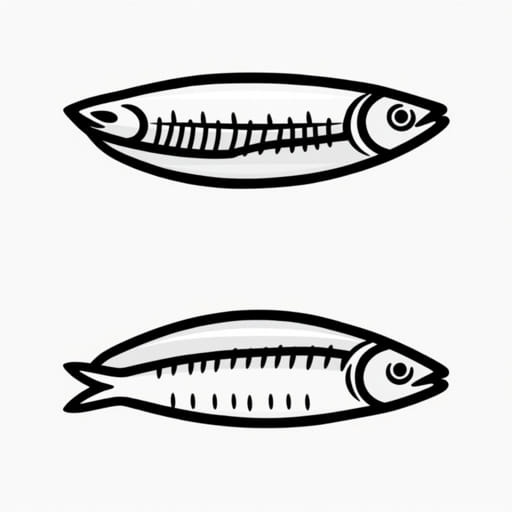
Sardines are a widely consumed type of canned fish, popular for their convenience, nutritional value, and long shelf life. Whether eaten on crackers, in salads, or straight from the tin, sardines are a staple in many kitchens around the world. But for those new to canned sardines or simply curious, a common question arises: are sardines gutted before canning? The idea of eating fish innards may be off-putting to some, while others may not mind. Understanding the canning process and how sardines are prepared can help clarify what exactly ends up in the tin you’re opening.
What Does Gutting Mean in Fish Processing?
Gutting refers to the process of removing the internal organs of a fish. This is usually done to reduce spoilage, improve flavor, and prepare the fish for cooking or preservation. In most types of fish processing, gutting is a standard step. However, when it comes to sardines, the process may differ slightly due to the fish’s small size and the method of preservation.
Are Sardines Gutted Before Canning?
In most cases, yes but not always entirely. Sardines are typically processed in a way that removes the head and tail, and in many instances, the guts are removed as well. However, the extent of gutting can depend on the brand, the size of the sardines, and the method used for canning.
Because sardines are small, many processors do not fully gut them in the same way larger fish are cleaned. Instead, they often perform a partial gutting that removes the bulk of the internal organs. What’s left behind may include traces of the digestive tract or small remnants of internal tissue. These remnants are usually considered harmless and are fully cooked during the canning process.
The Standard Sardine Canning Process
The canning of sardines typically follows a general sequence of steps. Here’s how most sardines are processed before they reach your grocery store shelf:
1. Sorting and Cleaning
Fresh sardines are first sorted by size and quality. They are then cleaned with water to remove surface scales, debris, and slime.
2. Head and Tail Removal
Most sardines are decapitated and have their tails removed. This step also partially removes the guts since many organs are attached near the head area.
3. Partial Gutting
Depending on the brand and region, some sardines undergo additional cleaning to remove more of the internal organs. However, many processors leave small amounts of entrails intact, especially in smaller fish where full gutting would be labor-intensive and unnecessary for safety.
4. Cooking
The fish are then either steamed, boiled, or fried before being placed in cans. This cooking process kills bacteria and softens bones and any remaining internal parts.
5. Packing and Sealing
Sardines are packed in oil, water, tomato sauce, mustard, or other liquids. The cans are then sealed and heat-processed again to ensure sterility and preservation.
Why Some Sardines Are Not Fully Gutted
There are several reasons why sardines may not be completely gutted before canning:
- Size: Sardines are small fish, usually less than six inches long. Their organs are tiny and often dissolve or become unnoticeable during the cooking process.
- Texture and flavor: Some consumers actually prefer the slightly richer taste that comes from leaving some internal content intact. It adds a subtle depth to the flavor.
- Efficiency: Removing every part of the gut in a small fish is time-consuming and not always necessary for food safety or quality.
- Traditional methods: In some regions, sardines are canned using traditional methods that include minimal processing, especially when the product is marketed as whole sardines.
Are Sardine Guts Safe to Eat?
Yes, the small amount of entrails that may remain in canned sardines are considered safe to eat. They are thoroughly cooked and pose no health risk. In fact, the bones, skin, and even the edible organs of sardines are packed with nutrients, including calcium, iron, and omega-3 fatty acids.
People who regularly eat sardines rarely notice any undesirable texture or flavor resulting from gut remnants. However, if you’re sensitive to the idea, you can choose boneless and skinless sardines or varieties labeled as cleaned, which are more thoroughly prepared.
How to Tell if Sardines Are Gutted
If you’re unsure whether the sardines you’re buying are gutted, check the label or product description. Brands that specifically clean their sardines often advertise it. Phrases like:
- Boneless and skinless
- Headless and gutted
- Hand-packed and cleaned
These terms usually indicate a higher degree of preparation. If the packaging does not mention gutting, it’s likely that the sardines have undergone only partial cleaning.
Should You Clean Sardines After Opening the Can?
For most people, there is no need to further clean canned sardines. The contents are fully cooked and ready to eat. However, if you’re sensitive to taste or texture, you can gently rinse the sardines or remove any dark spots with a fork or knife. This is a matter of personal preference rather than necessity.
Sardine Varieties and Preparation Styles
The level of gutting may also depend on the type of sardine product you choose. Here are a few common varieties:
- Whole sardines in oil or sauce: Typically retain skin, bones, and possibly some entrails. These are the least processed.
- Boneless, skinless sardines: Fully cleaned with minimal internal content remaining. Ideal for those who prefer a milder texture and flavor.
- Filleted sardines: Cut open and cleaned more thoroughly, sometimes split lengthwise and deboned.
Choosing the right type of sardine depends on your taste preferences, nutritional goals, and comfort with different textures.
So, are sardines gutted before canning? In most cases, yes at least partially. While the head and main internal organs are usually removed, traces of entrails may remain, especially in whole sardines. These remnants are fully cooked and safe to eat, and many consumers don’t even notice them.
For those who are more particular, boneless and skinless options provide a cleaner product with little to no internal residue. Ultimately, sardines remain a highly nutritious and convenient food, regardless of the level of gutting they undergo. Understanding how they’re prepared can help you choose the right product for your preferences while enjoying all the health benefits they offer.