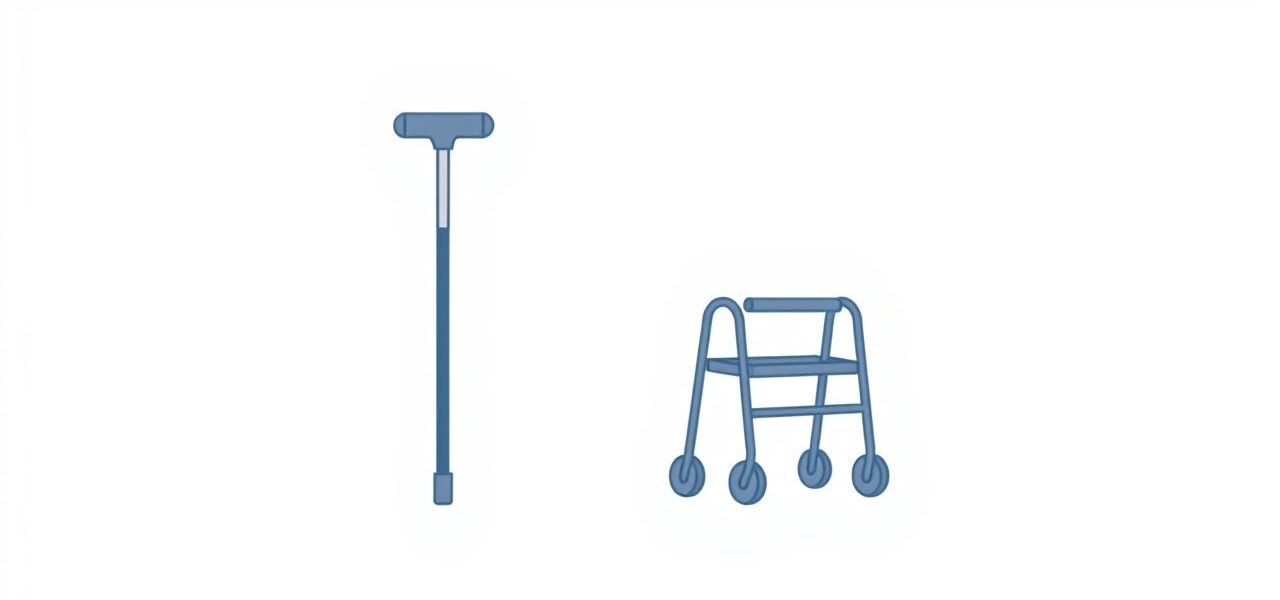
Mobility is an essential part of daily life, but not everyone can walk independently due to age, injury, surgery, or chronic health conditions. Assistive devices for ambulation are designed to help individuals maintain independence, improve stability, and reduce the risk of falls. These tools come in various forms, ranging from simple canes to advanced walkers and crutches, each serving different needs. By using the right device, people can move safely and confidently, improving both their physical health and quality of life.
Understanding Assistive Devices for Ambulation
Assistive devices for ambulation are tools that provide physical support during walking. They help redistribute weight, improve balance, and allow people with mobility limitations to stay active. Choosing the right device depends on a person’s strength, coordination, balance, and medical condition. Healthcare providers often recommend these devices after surgery, injury, or for people with conditions like arthritis, stroke, or neurological disorders.
Types of Assistive Devices
There are several categories of assistive devices for ambulation. Each type is designed with specific functions in mind, making it important to understand their features and benefits before selecting one.
Canes
Canes are among the most common mobility aids. They provide extra stability and support for those who can still walk but need a bit of assistance. Canes come in several styles
- Standard CanesA single-point cane that offers minimal support, best for mild balance issues.
- Quad CanesFeaturing a four-point base for better stability, ideal for people with more significant balance problems.
- Folding CanesLightweight and portable, making them convenient for travel or occasional use.
Crutches
Crutches are used when one leg cannot support weight due to injury or surgery. They help shift weight from the lower body to the upper body, allowing mobility during recovery.
- Axillary CrutchesPlaced under the arms, commonly used for short-term injuries like fractures or sprains.
- Forearm CrutchesProvide more freedom of movement and are often used for long-term mobility needs.
- Platform CrutchesDesigned for individuals with weak hand grip, allowing the forearm to rest on a padded platform.
Walkers
Walkers provide greater stability than canes or crutches, making them suitable for those with significant balance or strength limitations. They come in various models
- Standard WalkersHave four legs and no wheels, requiring users to lift the device with each step.
- Two-Wheeled WalkersEasier to maneuver than standard walkers since the front wheels allow smoother movement.
- RollatorsEquipped with four wheels, a seat, and brakes, rollators are designed for outdoor use and allow users to rest when needed.
Wheelchairs and Power Mobility Devices
For those unable to walk even with support, wheelchairs or power scooters provide full mobility assistance. While they are not strictly ambulation devices since they replace walking rather than assist it, they remain crucial for maintaining independence when ambulation is not possible.
Factors to Consider When Choosing a Device
Selecting the right assistive device for ambulation requires careful consideration. The wrong choice can lead to discomfort, improper posture, or even accidents. Important factors include
- Medical ConditionThe severity of balance or strength issues plays a major role in selecting the right device.
- EnvironmentThose who live in homes with narrow hallways or stairs may need more compact devices compared to individuals who use them outdoors.
- Weight-Bearing AbilitySome devices require partial weight-bearing while others can support almost full body weight.
- Upper Body StrengthDevices like crutches demand significant arm strength, which may not be suitable for all users.
Benefits of Assistive Devices for Ambulation
These devices do more than just help with walking; they have a profound impact on quality of life and overall health. Some of the key benefits include
Improved Safety
Falls are a major risk for older adults and those with mobility issues. Using the right assistive device significantly reduces the risk of falls by improving balance and stability.
Greater Independence
With the right device, individuals can move around more freely without depending on caregivers for every step. This independence fosters confidence and enhances self-esteem.
Pain Reduction
Many conditions, such as arthritis or hip injuries, cause pain during walking. Assistive devices help redistribute weight and reduce strain, making movement less painful.
Better Physical Health
Remaining active with the help of ambulation devices improves circulation, maintains muscle tone, and prevents stiffness. Even limited walking is better for health than complete inactivity.
Challenges of Using Assistive Devices
While highly beneficial, these devices also come with challenges that must be acknowledged.
- Learning CurveProper training is often required to use devices like crutches or walkers effectively.
- Social StigmaSome people feel self-conscious using mobility aids in public, which may discourage consistent use.
- Accessibility IssuesNot all environments are designed to accommodate mobility devices, especially older buildings without ramps or wide doorways.
- MaintenanceDevices with wheels or moving parts, like rollators, require upkeep to remain safe and effective.
Tips for Safe Use of Assistive Devices
To maximize the benefits of assistive devices for ambulation, users should follow safety practices and proper techniques.
- Always adjust the height of the device to match your body proportions for comfort and safety.
- Wear non-slip shoes to prevent accidents while using the device.
- Learn proper walking techniques from a physical therapist or healthcare provider.
- Check the device regularly for wear and tear, especially wheels, grips, and brakes.
Role of Healthcare Providers
Doctors, physical therapists, and occupational therapists play a key role in helping individuals choose and adapt to the right device. They assess the patient’s condition, recommend suitable options, and provide training on safe use. This professional guidance ensures the device enhances mobility without creating new risks.
Assistive devices for ambulation are essential tools that promote independence, safety, and improved quality of life for individuals facing mobility challenges. From simple canes to advanced walkers and crutches, each device is designed to meet specific needs. While challenges exist, the benefits far outweigh the drawbacks when the device is chosen carefully and used properly. With the right support and training, these devices empower people to remain active, reduce the risk of injury, and maintain confidence in their daily lives.