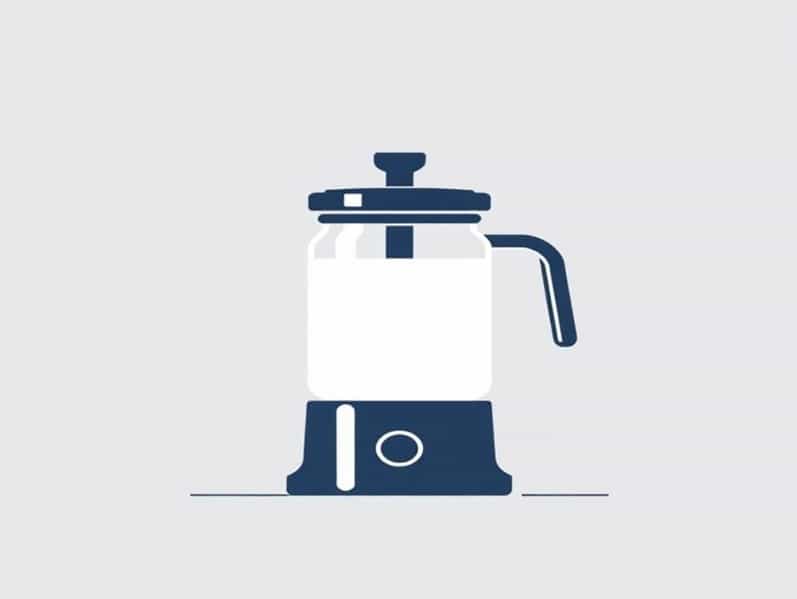
For anyone who regularly consumes raw milk or makes dairy products at home, an at home milk pasteurizer can be an essential tool. Pasteurization is the process of heating milk to a specific temperature for a set amount of time to kill harmful bacteria without affecting its nutritional quality. While commercial dairies have large-scale pasteurization systems, home users can now enjoy the same safety and convenience with compact machines designed for domestic use. Whether you are a small dairy farmer, a home cheesemaker, or simply someone who prefers fresh milk, a milk pasteurizer at home ensures your milk is safe, clean, and healthy.
What Is an At Home Milk Pasteurizer?
An at home milk pasteurizer is a small appliance that allows users to heat milk to the appropriate temperature for pasteurization without the need for industrial equipment. These machines are designed for simplicity and accuracy, taking the guesswork out of the process. Unlike traditional stovetop methods, which require careful monitoring, automatic pasteurizers maintain the exact temperature and timing necessary to ensure food safety and quality.
Most home pasteurizers come with a digital control panel, stainless steel container, and automatic shutoff features. They are also easy to clean and built to handle small to medium batches, making them ideal for personal or small-scale farm use. Some models can even be used for pasteurizing goat milk, plant-based milk, or even making yogurt.
Why Pasteurize Milk at Home?
Raw milk, while natural and full of enzymes, can also contain harmful microorganisms such as Salmonella, Listeria, or E. coli. These bacteria can cause serious illnesses, especially in children, pregnant women, and the elderly. Pasteurization minimizes this risk while preserving the milk’s essential nutrients, making it safer to drink.
There are several reasons why people choose to pasteurize milk at home
- Health and SafetyEnsures milk is free of pathogens while maintaining its nutritional value.
- Control Over QualityAllows you to use fresh milk from your own cows or goats and decide exactly how it is processed.
- Homemade Dairy ProductsPerfect for making yogurt, cheese, or butter that starts with safe, pasteurized milk.
- Cost EfficiencyReduces the need to buy expensive pasteurized milk or dairy products from the store.
How Does a Home Milk Pasteurizer Work?
Most home pasteurizers operate on a simple heating and cooling cycle. The process involves raising the milk’s temperature to a specific level, holding it there for a certain time, and then cooling it quickly to prevent bacterial growth. There are two common methods of pasteurization
1. Low-Temperature, Long-Time (LTLT)
This method heats milk to about 63°C (145°F) and holds it for 30 minutes. It is gentle and helps retain more of the milk’s natural flavor and enzymes. Many home pasteurizers use this method because it’s easy to control and suitable for small batches.
2. High-Temperature, Short-Time (HTST)
This method involves heating milk to 72°C (161°F) for 15 seconds. It’s faster and more commonly used in commercial dairy production. Some advanced home pasteurizers offer this setting for users who want a quicker process while maintaining safety.
Once the milk is pasteurized, it must be cooled rapidly to below 4°C (40°F). Many at home pasteurizers include an automatic cooling function, or users can place the container in an ice bath to achieve the same result. Proper cooling ensures that bacteria do not grow after pasteurization.
Features to Look for in an At Home Milk Pasteurizer
Choosing the right milk pasteurizer depends on your needs and the volume of milk you process. Here are some important features to consider when shopping for one
- CapacityHome pasteurizers come in various sizes, typically ranging from 1 to 5 liters. Choose one that suits your household or small farm production.
- Temperature ControlA good machine should offer precise temperature settings for both pasteurization and cooling.
- Automatic TimerThis allows you to set the exact duration for pasteurization, ensuring consistent results every time.
- MaterialStainless steel is ideal because it is durable, non-reactive, and easy to clean.
- Safety FeaturesLook for automatic shutoff and overheating protection to prevent accidents.
- Multi-functionalitySome pasteurizers also double as yogurt makers or can heat milk for cheese production.
Benefits of Using a Milk Pasteurizer at Home
The advantages of owning a home milk pasteurizer go beyond safety. It can transform how you manage your dairy routine, offering convenience and versatility. Some of the key benefits include
- ConsistencyAchieves uniform pasteurization every time without guesswork.
- Nutrient PreservationMaintains the essential vitamins and minerals found in raw milk while removing harmful bacteria.
- Extended Shelf LifePasteurized milk can last longer when stored properly in a refrigerator, reducing waste.
- Flavor ControlYou can customize how your milk tastes based on the temperature and time settings.
- Homemade Dairy FreedomUse pasteurized milk to make cheese, kefir, yogurt, or ice cream safely at home.
Tips for Using a Home Milk Pasteurizer
To get the most out of your at home milk pasteurizer, it’s important to use it properly. Here are some helpful tips for success
- Always start with clean, filtered milk to ensure the best taste and safety.
- Sanitize all equipment before and after use to avoid contamination.
- Follow the manufacturer’s guidelines for temperature and time settings.
- Cool milk rapidly after pasteurization to prevent bacterial regrowth.
- Store pasteurized milk in sterilized glass containers and refrigerate immediately.
Homemade Alternatives Stovetop Pasteurization
While an at home milk pasteurizer provides convenience and accuracy, it’s also possible to pasteurize milk manually using a stovetop. To do this, heat milk in a double boiler until it reaches 63°C (145°F), hold it for 30 minutes while stirring occasionally, then cool it quickly. However, this method requires careful temperature monitoring and can be time-consuming. For people who regularly process milk, an electric pasteurizer offers a more reliable and efficient option.
Popular Uses Beyond Milk
Interestingly, many home pasteurizers are versatile appliances that can be used for more than just milk. Depending on the model, they can also be used for
- Pasteurizing fruit juice and plant-based milks like almond or soy milk.
- Heating cream for butter or custard making.
- Fermenting yogurt or kefir with precise temperature control.
- Preparing small-batch cheese with consistent results.
Maintenance and Cleaning
Proper maintenance ensures your at home milk pasteurizer lasts for many years. Always clean the device thoroughly after each use. Stainless steel models are usually dishwasher safe or can be easily rinsed with hot water and mild detergent. Make sure the heating element and temperature sensors remain free of residue, as buildup can affect performance and accuracy.
Regularly inspect power cords, lids, and seals for damage to maintain safety and efficiency. Avoid using harsh chemicals or abrasive scrubbers, as they can scratch the surface or damage the electronic components.
Investing in an at home milk pasteurizer is an excellent decision for anyone who values health, safety, and self-sufficiency. It offers peace of mind by ensuring that the milk you consume is free of dangerous bacteria while retaining its natural taste and nutrients. From small dairy farmers to families who love fresh, homemade dairy products, this appliance brings professional-quality pasteurization right into your kitchen.
With modern features like automatic temperature control, easy cleaning, and multi-function use, the at home milk pasteurizer represents both convenience and quality. Whether you’re preparing milk for daily consumption, yogurt for breakfast, or cheese for a special occasion, it ensures that every drop of milk is safe, delicious, and fresh. In a world where food safety matters more than ever, this simple yet powerful device makes home dairy processing easier, healthier, and more enjoyable.