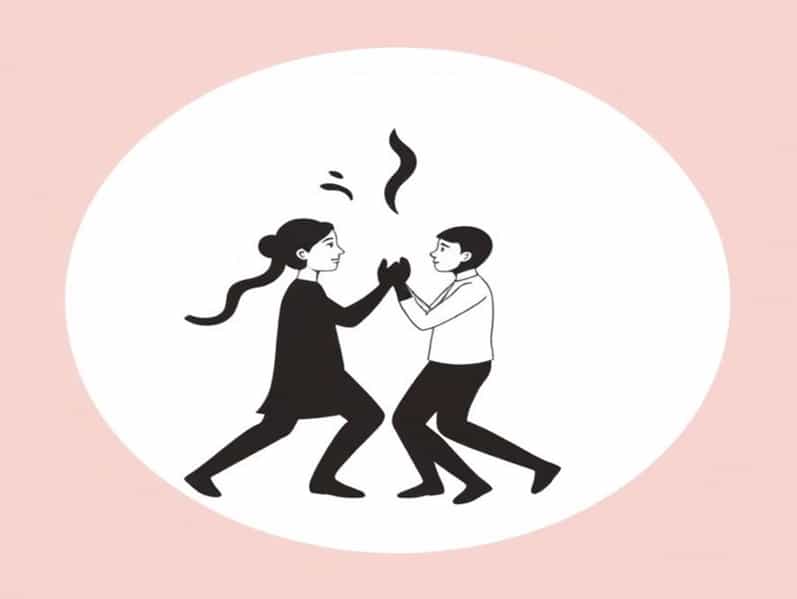
In everyday conversations, people often describe situations where a minor fight, tussle, or brief physical struggle breaks out. These moments usually do not escalate into serious conflict, yet they still attract attention and spark curiosity. The English word scuffle captures this type of small and sometimes chaotic encounter. Understanding the Bengali meaning of scuffle helps language learners, readers, and speakers accurately describe such events in both languages. This concept appears frequently in news reports, stories, and casual speech, making it useful for practical communication.
Bengali Meaning of Scuffle
The Bengali meaning of scuffle is generally expressed using terms that describe a light physical fight, tussle, or minor clash
- ধসà§à¦¤à¦¾à¦§à¦¸à§à¦¤à¦¿ (Dhostadhosti) a brief physical struggle
- হাতাহাতি (Hatahatī) a minor fight involving pushing or grabbing
- সà¦à¦à¦°à§à¦· (Songhorsho) conflict or clash, sometimes used for a scuffle depending on context
Among these terms, ধসà§à¦¤à¦¾à¦§à¦¸à§à¦¤à¦¿ and হাতাহাতি are the closest to the English meaning of scuffle. These words express small conflicts that are usually short-lived and do not involve serious harm.
Understanding the English Meaning of Scuffle
In English, a scuffle refers to
- A short, confused physical fight
- A brief struggle involving pushing or grabbing
- A disorderly but minor confrontation
The word is often used to describe sudden and unplanned conflicts between individuals or small groups. It does not typically apply to major fights or violent incidents.
How Scuffles Usually Happen
Scuffles generally occur in environments where emotions run high crowded places, tense arguments, competitive settings, or unexpected misunderstandings. They can arise between friends, strangers, students, or even during public events. Because they are quick and chaotic, people often describe them with simple words like scuffle or ধসà§à¦¤à¦¾à¦§à¦¸à§à¦¤à¦¿.
Common Situations Leading to a Scuffle
- Arguments that escalate suddenly
- Misunderstandings in public places
- Disputes in markets, sports events, or transportation areas
- Playful pushing that turns slightly aggressive
- Attempting to restrain someone during a tense moment
These scenarios make the word scuffle particularly relevant in both English and Bengali descriptions of everyday events.
Bengali Examples of Scuffle in Sentences
To understand the Bengali meaning of scuffle more clearly, here are some contextual examples
- দà§à¦ à¦à¦¾à¦¤à§à¦°à§à¦° মধà§à¦ ৠহঠাৠধসà§à¦¤à¦¾à¦§à¦¸à§à¦¤à¦¿ শà§à¦°à§ হঠ়।
- বাà¦à¦¾à¦°à§ দাম নিঠ়ৠতরà§à¦ থà§à¦à§ হাতাহাতি বà§à¦§à§ ঠাঠ়।
- à¦à§à¦°à§à¦¨à§ à¦à¦¸à¦¨ নিঠ়ৠসামানà§à¦ সà¦à¦à¦°à§à¦· à¦à¦à§à¥¤
These sentences show how scuffles can be minor but still noteworthy.
Examples of Scuffle in English Sentences
To reinforce the meaning, here are English examples using the word
- A brief scuffle broke out between the two players.
- Security intervened quickly when a scuffle erupted near the entrance.
- The argument turned into a scuffle before anyone could stop it.
Each sentence highlights the quick and disorderly nature of a scuffle.
Why Understanding the Bengali Meaning of Scuffle Is Useful
For students, translators, or anyone interested in bilingual communication, knowing the Bengali meaning of scuffle improves clarity when describing small conflicts. News topics, police reports, and stories often use this word to explain situations without exaggerating their severity. In Bengali, choosing the right term ধসà§à¦¤à¦¾à¦§à¦¸à§à¦¤à¦¿ or হাতাহাতি helps maintain the accurate tone of the description.
Key Benefits
- Improves accuracy in translation
- Enhances vocabulary for everyday communication
- Helps readers understand news reports more clearly
- Enables more natural storytelling in both languages
These benefits show why language learners should understand the nuances between scuffle and its Bengali counterparts.
The Emotional and Social Context of Scuffles
Although scuffles are minor conflicts, they often emerge from personal or social tension. Understanding the emotional background can make descriptions more meaningful whether speaking English or Bengali. People may feel frustrated, embarrassed, or defensive during such encounters, even if the physical action is minimal.
Emotions Linked to Scuffles
- Anger or irritation
- Confusion or panic
- Embarrassment, especially when in public
- Defensiveness or impulsiveness
These emotional responses explain why scuffles tend to happen suddenly and end quickly.
Scuffles in Media and Everyday Life
News reports frequently describe small confrontations using the word scuffle. In Bengali media, phrases such as ধসà§à¦¤à¦¾à¦§à¦¸à§à¦¤à¦¿ শà§à¦°à§ হঠ় or হাতাহাতি বà§à¦§à§ ঠাঠ় are often used. These words help depict the intensity of the moment without suggesting serious violence.
In daily life, people might witness scuffles at schools, workplaces, public gatherings, or even during sports matches. Because these incidents are common, vocabulary related to scuffles appears frequently in conversations.
The Difference Between Scuffle and Fight
It is important to distinguish between scuffle and fight, as the two words differ in intensity. A fight usually involves deliberate aggression or extended confrontation. A scuffle, on the other hand, is brief, confused, and less violent.
How to Differentiate Them
- A scuffle is short; a fight may last longer.
- A scuffle involves pushing, grabbing, or minor physical contact.
- A fight may involve more serious physical action.
- A scuffle happens impulsively; a fight might be intentional.
In Bengali, হাতাহাতি and ধসà§à¦¤à¦¾à¦§à¦¸à§à¦¤à¦¿ match the idea of a scuffle, while মারামারি refers to a more serious fight.
Cultural Views on Minor Conflicts
Different cultures view small physical confrontations differently. In some communities, scuffles are considered a normal part of childhood or youth, especially during competitive activities. In others, even minor physical contact is taken seriously. In Bengali culture, scuffles are acknowledged but usually regarded as impulsive or emotional moments rather than significant events.
Understanding these perspectives helps explain why language has multiple words to describe different levels of conflict.
Using Scuffle Naturally in English Conversations
The word scuffle is easy to use in daily conversations, especially when describing unexpected conflicts. It works well in storytelling, reporting, or casual discussions among friends.
Useful Phrases
- There was a small scuffle outside.
- They got into a scuffle over nothing.
- A scuffle broke out suddenly.
These patterns help speakers use the word naturally and confidently.
Triggers That Lead to a Scuffle
Many scuffles happen due to simple triggers. Identifying these helps explain why small fights sometimes erupt unexpectedly.
- Miscommunication or misunderstanding
- Competition or rivalry
- Crowded or stressful environments
- Accidental physical contact
- Disputes over personal space or belongings
Recognizing these triggers makes it easier to describe events accurately in both English and Bengali.
Understanding the Bengali meaning of scuffle expressed through words like ধসà§à¦¤à¦¾à¦§à¦¸à§à¦¤à¦¿ and হাতাহাতি helps speakers clearly describe minor physical struggles or brief confrontations. The English word scuffle captures sudden and unplanned conflicts that are mild but noticeable. Whether in everyday conversations, storytelling, or news descriptions, this vocabulary enriches communication and allows people to express events with accuracy. Knowing this term in both languages strengthens bilingual understanding and supports more precise, natural expression.