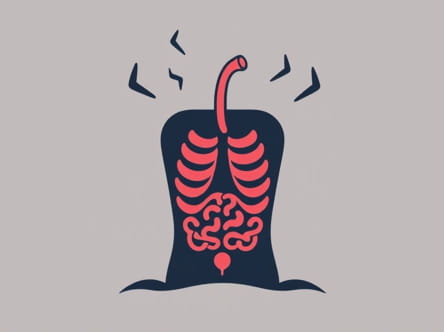
When someone says their bowels are in an uproar, it often means they are experiencing sudden digestive distress. This phrase can describe a variety of uncomfortable conditions, from abdominal cramping and bloating to diarrhea or urgent bowel movements. While it might sound dramatic, bowel problems can be extremely disruptive to daily life and may have a range of underlying causes. Understanding the triggers, symptoms, and management strategies is key to keeping your digestive system healthy and preventing recurring discomfort.
Understanding the Phrase and the Problem
The expression bowels in an uproar is often used informally, but it refers to real physiological responses in the gastrointestinal tract. The bowels include the small intestine and large intestine, both of which play vital roles in digestion, nutrient absorption, and waste elimination. When something disrupts their normal function, it can lead to a chain reaction of symptoms that may range from mild to severe.
Common Symptoms Associated with Bowel Distress
- Sudden abdominal cramps
- Loose or watery stools
- Bloating and excessive gas
- Urgent need to use the restroom
- Nausea or mild fever (in certain cases)
- Changes in bowel movement frequency
Possible Causes of Bowel Upset
When the bowels are in an uproar, there is usually an underlying reason. It could be temporary and harmless, or it could indicate a more serious condition. Some of the most common causes include
Dietary Triggers
Foods that are high in fat, heavily processed, or extremely spicy can irritate the digestive tract. Additionally, some people have food intolerances, such as lactose intolerance or gluten sensitivity, which can cause intense symptoms after eating certain items.
Infections
Bacterial, viral, or parasitic infections can cause sudden bowel distress. Common examples include food poisoning and stomach flu. These conditions often result in diarrhea, fever, and dehydration if not managed properly.
Stress and Anxiety
The gut and brain are closely connected, meaning that high stress levels can trigger bowel changes. For some, anxiety may lead to more frequent bowel movements, while others may experience constipation or alternating patterns.
Chronic Digestive Conditions
Conditions like irritable bowel syndrome (IBS), Crohn’s disease, and ulcerative colitis can cause recurring bowel problems. These require medical diagnosis and ongoing management to reduce flare-ups.
How to Manage Bowel Upset
If your bowels are in an uproar, the right approach will depend on the cause. However, some general strategies can help alleviate symptoms and restore digestive balance.
Stay Hydrated
Diarrhea and frequent bowel movements can lead to dehydration. Drinking water, clear broths, and electrolyte solutions can help replace lost fluids and prevent complications.
Adjust Your Diet Temporarily
During a bowel flare-up, it’s best to stick to bland, easy-to-digest foods. Many people follow the BRAT diet bananas, rice, applesauce, and toast until their stomach settles. Avoid caffeine, alcohol, fatty foods, and dairy until symptoms improve.
Rest and Reduce Stress
Giving your body time to heal is important. Stress management techniques like deep breathing, meditation, and light stretching can also help calm the digestive system.
Over-the-Counter Remedies
For mild symptoms, anti-diarrheal medications or probiotics may provide relief. However, these should be used cautiously, especially if the cause of symptoms is unknown.
When to Seek Medical Help
While most cases of bowel distress are temporary, there are warning signs that require immediate medical attention
- Blood in stool
- Severe abdominal pain
- High fever
- Signs of dehydration (dry mouth, dizziness, dark urine)
- Persistent symptoms lasting more than a few days
Prevention Tips for Healthy Bowels
Keeping your digestive system healthy can reduce the likelihood of future flare-ups. Preventive measures include
- Eating a balanced diet rich in fiber, fruits, and vegetables
- Drinking enough water daily
- Practicing good food hygiene to avoid infections
- Managing stress effectively
- Exercising regularly to promote healthy bowel movement
Long-Term Outlook
Most people experience occasional digestive upset, but frequent or severe bowel distress can indicate a deeper problem. Paying attention to patterns, triggers, and early warning signs can help in identifying the root cause before it worsens. With the right lifestyle adjustments, dietary habits, and medical guidance when needed, it is possible to maintain a calm and healthy digestive system.
In the end, having your bowels in an uproar is not only uncomfortable but also a signal from your body that something needs attention. By taking a mindful approach to what you eat, how you manage stress, and when you seek medical care, you can significantly reduce the chances of being caught off guard by digestive trouble.