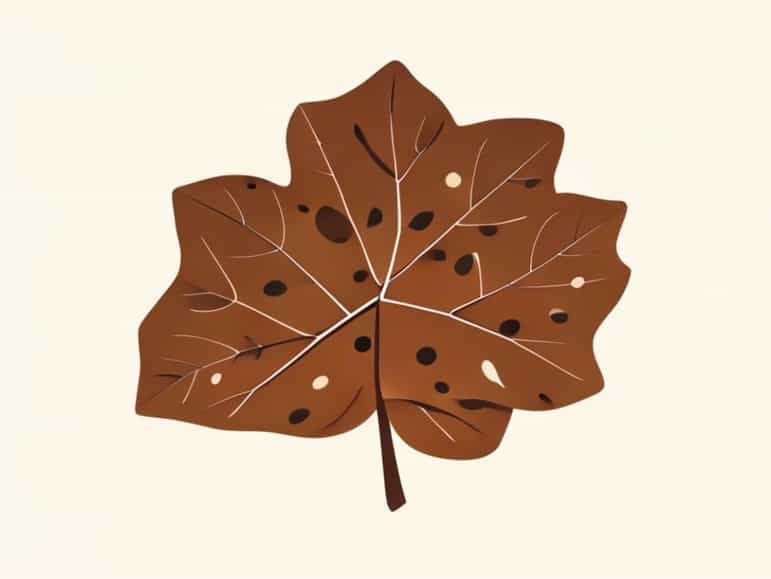
Fiddle leaf figs (Ficus lyrata) are popular indoor plants known for their large, glossy leaves and striking appearance. However, one common issue that can affect these plants is the appearance of brown spots on their leaves. Brown spots can be alarming to plant owners, as they may indicate underlying problems related to watering, light, pests, or disease. Understanding the causes, symptoms, and solutions for brown spots on fiddle leaf figs is essential for maintaining a healthy, thriving plant. This topic provides a detailed guide on how to identify, treat, and prevent brown spots on fiddle leaf figs, ensuring that your plant remains vibrant and beautiful.
Understanding Brown Spots on Fiddle Leaf Figs
Brown spots on fiddle leaf fig leaves are typically areas of dead or damaged tissue. These spots can vary in size, shape, and texture depending on the underlying cause. Some brown spots may appear as small, dry specks, while others can form larger, soggy patches. Identifying the type of brown spot is the first step in diagnosing the problem and determining the best course of action for treatment.
Common Causes of Brown Spots
Several factors can lead to brown spots on fiddle leaf figs. The most common causes include overwatering, underwatering, inconsistent watering, too much direct sunlight, low humidity, fungal or bacterial infections, and pest infestations. Each of these factors affects the plant differently and requires a specific approach to treatment.
Watering Issues
Improper watering is one of the leading causes of brown spots on fiddle leaf figs. Both overwatering and underwatering can stress the plant and cause leaf damage.
Overwatering
When a fiddle leaf fig is overwatered, its roots may become waterlogged and deprived of oxygen. This can lead to root rot, which often manifests as brown spots on the leaves. Overwatered plants may also have yellowing leaves along with brown edges or spots. To address overwatering, ensure that the plant is in a well-draining pot and soil mix, reduce watering frequency, and remove any affected leaves to prevent the spread of disease.
Underwatering
On the other hand, underwatering causes the plant to become dehydrated. This often leads to dry, crispy brown spots, usually starting at the edges of the leaves. To treat underwatering, increase the frequency of watering and make sure the plant receives enough moisture. Maintaining a consistent watering schedule is crucial for preventing both overwatering and underwatering.
Light and Sun Exposure
Fiddle leaf figs require bright, indirect light to thrive. Insufficient light can weaken the plant, making it more susceptible to brown spots, while too much direct sunlight can scorch the leaves.
Sunburn
Direct sunlight, especially during the hottest parts of the day, can cause sunburn on fiddle leaf fig leaves. Sunburned leaves develop dry, brown patches that may be rough or crispy to the touch. To prevent sunburn, place the plant near a bright window with filtered light or use sheer curtains to diffuse sunlight.
Low Light Stress
Conversely, insufficient light can lead to weakened leaves and brown spots caused by slow growth and lack of energy. Moving the plant to a brighter location with adequate indirect light can help prevent brown spots due to low light stress.
Humidity and Environmental Factors
Fiddle leaf figs are tropical plants and prefer high humidity levels. Low humidity can lead to dry, brown leaf tips and spots, particularly in winter when indoor heating reduces moisture in the air.
Increasing Humidity
To address humidity-related brown spots, consider using a humidifier near the plant, placing the pot on a tray filled with water and pebbles, or grouping the fiddle leaf fig with other plants to increase local humidity. Regular misting can also help, but it should be done carefully to avoid promoting fungal growth.
Pests and Insect Damage
Insect infestations can also cause brown spots on fiddle leaf fig leaves. Common pests include spider mites, scale insects, and mealybugs. These pests feed on the plant’s sap, leaving behind damaged tissue that appears as brown spots.
Identifying Pests
- Spider mites Tiny, often reddish, with fine webbing on the leaves.
- Scale insects Small, brown or black bumps attached to the leaves or stems.
- Mealybugs White, cotton-like clusters found on leaves and stems.
Treatment
Pests can be treated by wiping leaves with a damp cloth, using insecticidal soap, or applying neem oil. Early detection is key to preventing widespread damage and brown spots caused by insects.
Disease-Related Brown Spots
Fungal and bacterial infections can also manifest as brown spots on fiddle leaf figs. Common fungal diseases include leaf spot, anthracnose, and root rot caused by overwatering.
Leaf Spot and Fungal Infections
Fungal infections often cause circular brown or black spots with yellow halos. These infections thrive in damp, poorly ventilated environments. To treat fungal infections, remove affected leaves, improve air circulation, and apply a fungicide if necessary.
Bacterial Infections
Bacterial infections can cause soft, water-soaked brown spots that may spread quickly. Treatment involves removing infected leaves, avoiding overhead watering, and ensuring proper drainage and airflow around the plant.
Preventing Brown Spots on Fiddle Leaf Figs
Prevention is the best strategy for keeping fiddle leaf figs healthy and free of brown spots. Proper care practices can reduce the risk of leaf damage and maintain a vibrant plant.
Consistent Watering
- Water the plant regularly, allowing the top inch of soil to dry out between waterings.
- Ensure the pot has drainage holes to prevent water accumulation.
Optimal Lighting
- Place the plant in bright, indirect light for several hours each day.
- Avoid direct sunlight during peak hours to prevent leaf scorch.
Humidity Management
- Maintain humidity levels between 40% and 60% for optimal growth.
- Use humidifiers, misting, or pebble trays to increase local humidity if needed.
Pest and Disease Control
- Regularly inspect leaves for signs of pests or disease.
- Clean leaves and apply preventive treatments such as neem oil or insecticidal soap as necessary.
Brown spots on fiddle leaf figs are a common concern for plant owners, but with careful observation and proper care, most issues can be addressed and prevented. Common causes include watering problems, sun exposure, low humidity, pests, and diseases. By understanding the signs and implementing preventive measures, such as consistent watering, proper lighting, humidity management, and pest control, you can maintain healthy, lush fiddle leaf fig leaves. Prompt treatment of any issues and ongoing attention to the plant’s environment will ensure that your fiddle leaf fig continues to thrive, adding beauty and greenery to your home.