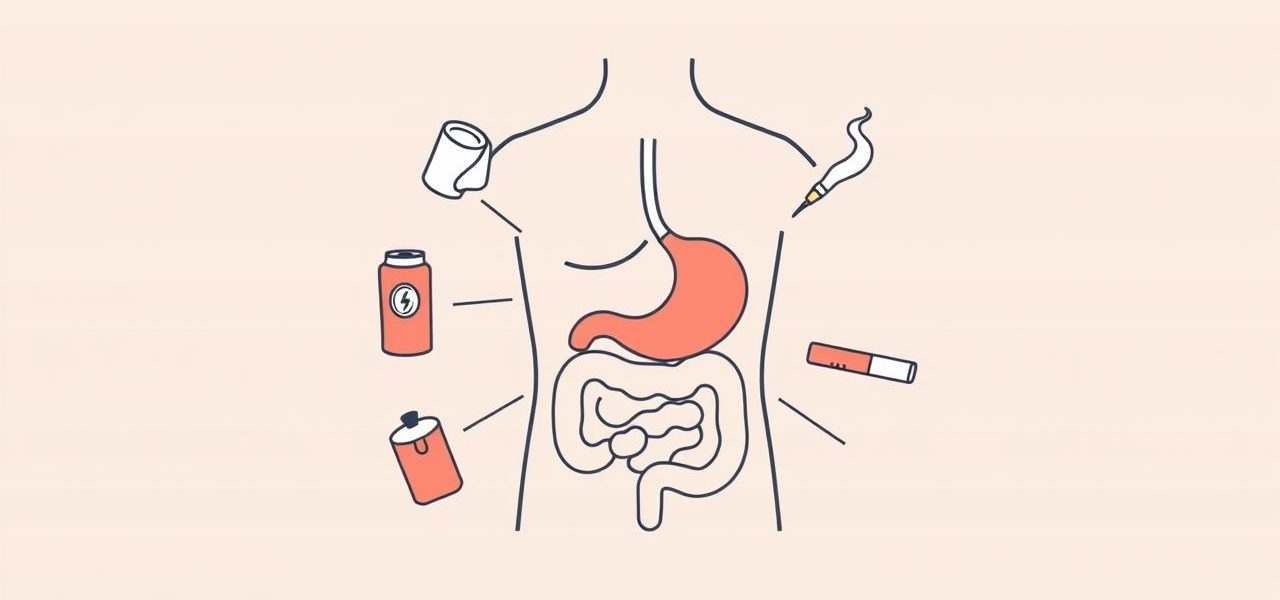
Frequent eructation, commonly known as burping or belching, is the act of expelling excess air from the stomach through the mouth. While occasional burping is a normal physiological process, experiencing it more often than usual can be uncomfortable and sometimes socially embarrassing. It can result from simple lifestyle habits, digestive issues, or underlying medical conditions. Understanding the possible causes of frequent eructation can help identify whether it is just a harmless occurrence or a symptom that needs further medical evaluation.
Understanding the Mechanism of Eructation
Burping occurs when swallowed air or gas generated in the stomach is released upward through the esophagus. This process is generally harmless, but when it becomes excessive, it may indicate problems with digestion, eating habits, or gastrointestinal health.
Normal Burping vs. Frequent Eructation
Occasional burping is a part of normal digestion, especially after eating or drinking. However, frequent eructation occurring multiple times per hour or interfering with daily activities often has specific triggers that need to be addressed.
Dietary Causes
The most common causes of frequent eructation are related to food and beverage choices. Certain eating patterns and specific foods can increase the amount of gas in the digestive system.
- Carbonated beverages– Sodas, sparkling water, and beer release carbon dioxide gas, which can lead to frequent burping.
- Gas-producing foods– Beans, lentils, broccoli, cabbage, and onions can generate excess intestinal gas.
- Dairy products– In people with lactose intolerance, milk and cheese can lead to bloating and burping.
- High-fat meals– These slow down digestion, increasing the chance of gas buildup.
Eating Habits and Lifestyle Factors
How we eat can be just as important as what we eat when it comes to preventing excessive burping. Some everyday habits may contribute to swallowing extra air, a condition known as aerophagia.
Common Contributing Habits
- Eating too quickly and swallowing air along with food.
- Chewing gum or sucking on hard candies, which increases air intake.
- Talking while eating, leading to more air entering the stomach.
- Drinking through a straw, which can draw in extra air.
- Smoking, which also increases swallowed air.
Gastrointestinal Disorders
Frequent eructation may sometimes signal underlying gastrointestinal problems. These conditions often require medical attention for proper diagnosis and treatment.
Gastroesophageal Reflux Disease (GERD)
GERD occurs when stomach acid flows back into the esophagus, causing heartburn and regurgitation. Frequent burping can be a symptom, as the body attempts to release pressure from the stomach.
Gastritis and Peptic Ulcers
Inflammation of the stomach lining or ulcers can lead to excess gas and discomfort, resulting in frequent burping. These conditions may also cause abdominal pain, nausea, or changes in appetite.
Helicobacter pylori Infection
This bacterial infection affects the stomach lining and can lead to chronic gastritis, ulcers, and symptoms like bloating and persistent burping.
Delayed Gastric Emptying (Gastroparesis)
When the stomach empties too slowly, gas can accumulate, causing repeated eructation. This is more common in people with diabetes or nerve disorders affecting the stomach.
Other Medical Causes
While the digestive system is often the main culprit, other health issues can also lead to frequent eructation.
- Anxiety and stress– Nervous habits such as rapid breathing or frequent swallowing can increase air intake.
- Post-surgical changes– Procedures involving the digestive tract can alter normal gas release patterns.
- Food intolerances– Beyond lactose intolerance, gluten sensitivity and other intolerances can trigger bloating and burping.
When Frequent Eructation Might Indicate a Serious Condition
Although most cases are harmless, frequent burping accompanied by other symptoms may require medical evaluation. Warning signs include
- Unexplained weight loss.
- Persistent abdominal pain or discomfort.
- Difficulty swallowing.
- Vomiting blood or black stools.
- Severe or worsening heartburn.
Diagnostic Approaches
Doctors typically begin with a detailed medical history and physical examination. Depending on the suspected cause, they may recommend
- Endoscopy to examine the esophagus and stomach.
- Testing for Helicobacter pylori.
- pH monitoring for acid reflux.
- Breath tests for lactose intolerance or bacterial overgrowth.
Managing and Preventing Frequent Eructation
Once the cause is identified, treatment focuses on addressing the underlying issue and reducing triggers.
Lifestyle and Dietary Adjustments
- Eat slowly and chew food thoroughly.
- Avoid carbonated drinks and gas-producing foods.
- Limit chewing gum and smoking.
- Opt for smaller, more frequent meals.
Medical Treatments
If a gastrointestinal disorder is diagnosed, treatment may include medications such as antacids, proton pump inhibitors, antibiotics for infections, or prokinetic agents to improve stomach emptying.
Psychological and Behavioral Considerations
For those whose frequent eructation is linked to anxiety or stress, relaxation techniques, breathing exercises, and counseling can help. Managing stress not only benefits digestive health but overall well-being.
Frequent eructation can range from a minor annoyance caused by dietary choices to a symptom of more serious gastrointestinal conditions. Recognizing patterns, identifying triggers, and seeking medical advice when necessary can help manage the problem effectively. By understanding both the common and less obvious causes, individuals can take proactive steps toward reducing excessive burping and improving digestive comfort.