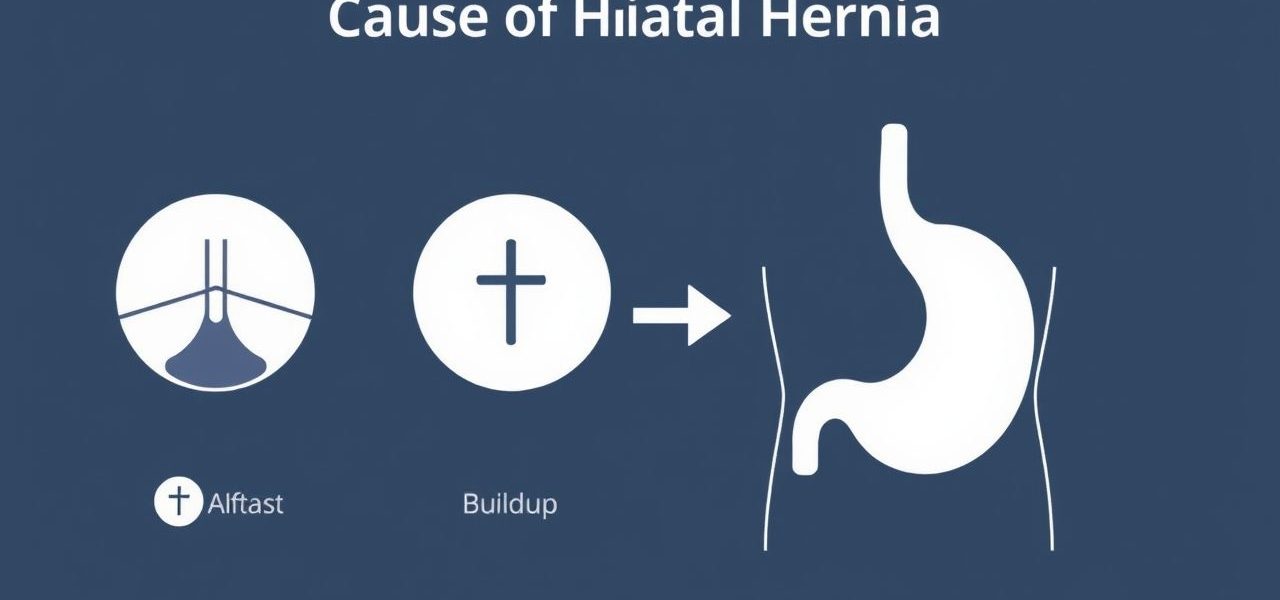
Hiatal hernia occurs when part of the stomach pushes up through the diaphragm into the chest cavity. This condition can cause a variety of uncomfortable symptoms, such as heartburn, chest pain, and difficulty swallowing, although some people may not experience noticeable symptoms. Understanding the causes of hiatal hernia is essential for prevention and effective management. The condition can result from a combination of physical strain, anatomical weakness, and lifestyle factors, making it important to explore each potential cause in detail.
What is a Hiatal Hernia?
The diaphragm is a large muscle located between the chest and the abdomen, playing a key role in breathing. It has a small opening called the hiatus, through which the esophagus passes before connecting to the stomach. In a hiatal hernia, the stomach bulges through this opening into the chest. While there are different types of hiatal hernias, the most common are sliding hiatal hernias and paraesophageal hernias. Understanding what causes the stomach to move into this abnormal position can help in preventing or reducing the risk of the condition.
Main Causes of Hiatal Hernia
Weakness in the Diaphragm Muscle
One of the most common causes of a hiatal hernia is a weakening of the diaphragm’s muscle tissue. This weakness can develop with age, making older adults more prone to the condition. Over time, the muscles lose elasticity and strength, which may allow part of the stomach to slip through the hiatus.
Increased Abdominal Pressure
Excessive pressure inside the abdominal cavity can push the stomach upward toward the chest. This increase in pressure may result from various factors, such as
- Persistent coughing due to chronic bronchitis or asthma
- Frequent vomiting
- Heavy lifting or strenuous physical activity
- Constipation leading to straining during bowel movements
- Pregnancy, which naturally increases abdominal pressure
Injury or Trauma
Physical injury, especially to the chest or abdomen, can contribute to the development of a hiatal hernia. Accidents, falls, or surgical procedures that affect the diaphragm may create or widen the opening in the muscle, making it easier for the stomach to protrude into the chest cavity.
Genetic and Congenital Factors
Some individuals are born with an unusually large hiatus, increasing their susceptibility to developing a hiatal hernia. This structural difference can be inherited, meaning family history may play a role in the risk. Additionally, genetic conditions that weaken connective tissue, such as Marfan syndrome, can also contribute to the problem.
Obesity and Excess Body Weight
Carrying extra weight, especially around the abdomen, significantly increases the likelihood of developing a hiatal hernia. The excess fat puts constant pressure on the stomach and diaphragm, potentially forcing the stomach upward through the hiatus over time.
Age-Related Changes
The risk of hiatal hernia increases with age due to natural changes in muscle tone and connective tissue strength. As the diaphragm and surrounding structures weaken, it becomes easier for the stomach to push through the opening, even without significant external pressure.
Risk Factors That May Contribute to Hiatal Hernia
While certain causes directly lead to the condition, other factors can increase susceptibility. These risk factors include
- Smoking, which can damage connective tissue and impair muscle function
- Chronic stress, which may affect digestive health and muscle tension
- Poor posture over long periods, leading to unnecessary strain on the diaphragm
- Dietary habits that cause frequent bloating or indigestion
How Lifestyle Choices Influence the Condition
Daily habits can play a significant role in the development or worsening of hiatal hernias. For example, consistently lifting heavy objects without proper technique can put strain on the abdominal muscles. Similarly, eating large meals followed by lying down can push the stomach upward against the diaphragm. Maintaining a balanced diet, regular exercise, and good posture can help lower the risk.
Chronic Medical Conditions Linked to Hiatal Hernia
Some medical conditions are associated with an increased risk of developing a hiatal hernia. These include
- Gastroesophageal reflux disease (GERD), which can weaken the lower esophageal sphincter
- Chronic obstructive pulmonary disease (COPD), often accompanied by persistent coughing
- Digestive motility disorders that affect stomach function
In many cases, these conditions not only contribute to the initial development of a hernia but can also worsen symptoms once it is present.
Why Early Identification of Causes Matters
Recognizing the underlying causes of a hiatal hernia is important for effective prevention and treatment. Addressing risk factors such as obesity, chronic coughing, or heavy lifting can reduce strain on the diaphragm. In cases where genetic predisposition or congenital anatomy is involved, regular medical check-ups can help detect early signs before the condition becomes severe.
Prevention and Risk Reduction
Although not all cases of hiatal hernia can be prevented, especially those linked to genetic factors, certain lifestyle adjustments can help reduce the risk
- Maintaining a healthy weight to reduce abdominal pressure
- Practicing safe lifting techniques
- Quitting smoking to preserve muscle and tissue health
- Eating smaller meals to avoid overfilling the stomach
- Engaging in regular exercise to strengthen the core and diaphragm
Hiatal hernia is often the result of a combination of anatomical weaknesses, lifestyle factors, and other medical conditions. By understanding and addressing the primary causes, it is possible to reduce the risk of developing this condition or to manage it more effectively if it occurs. Small changes in daily habits, along with regular medical evaluations, can go a long way in protecting diaphragm health and maintaining overall digestive function.