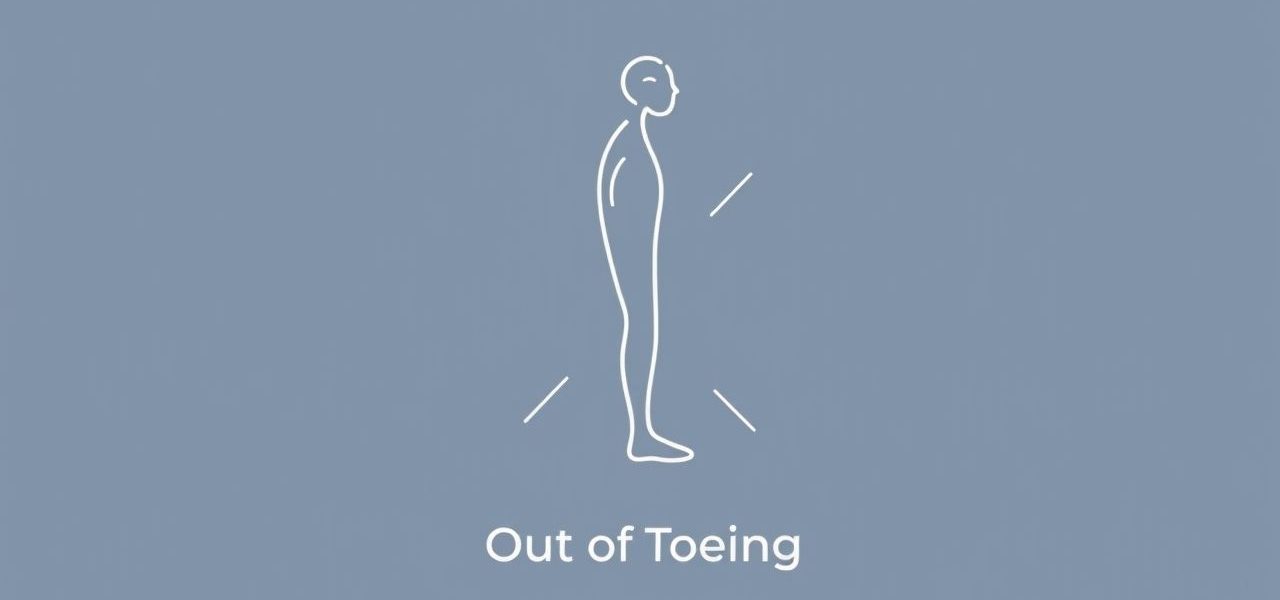
Out toeing, sometimes called duck feet walking, is a condition where the feet point outward instead of straight ahead when standing or walking. This gait pattern can be seen in infants, children, and even adults, and it may be temporary or persist over time. While it is often harmless, persistent out toeing may indicate an underlying structural or neurological cause that needs medical evaluation. Understanding the causes of out toeing is important for early detection, effective treatment, and prevention of long-term complications.
Understanding Out Toeing
Out toeing is essentially the opposite of in toeing (pigeon toes) and is characterized by an external rotation of the foot or leg. It can occur in one or both legs and may vary in severity. The causes range from normal variations in growth to specific medical conditions that affect the bones, joints, or nervous system. The underlying source of the rotation determines whether the condition is temporary or needs intervention.
Common Causes of Out Toeing
1. Femoral Retroversion
Femoral retroversion is a condition where the thigh bone (femur) has an abnormal twist, causing the hips and legs to rotate outward. This structural variation can be present from birth and may result in a noticeable out toeing gait. It is more common in newborns due to the position they were in during pregnancy and may gradually improve as the child grows.
2. External Tibial Torsion
External tibial torsion occurs when the shin bone (tibia) twists outward, causing the foot to turn away from the body. This condition may develop during childhood as bones grow and align, but in some cases, it persists into adulthood. Unlike some other causes, external tibial torsion often becomes more pronounced with age and may require surgical correction if severe.
3. Flat Feet (Pes Planus)
Flat feet can contribute to out toeing because the lack of a normal arch affects the alignment of the ankle and foot. This altered alignment can cause the toes to point outward during walking. While flat feet are common and usually harmless, in certain cases they may lead to gait changes that require physical therapy or orthotic support.
4. Hip Conditions
Hip abnormalities, such as slipped capital femoral epiphysis (SCFE) in adolescents, can cause out toeing. SCFE is a serious condition where the head of the femur slips at the growth plate, leading to hip pain and changes in walking patterns. Prompt diagnosis and treatment are necessary to prevent long-term complications.
5. Neuromuscular Disorders
Conditions that affect the nervous system, such as cerebral palsy or muscular dystrophy, can lead to abnormal muscle tone and coordination, resulting in out toeing. In these cases, the gait abnormality is often one of several symptoms, and treatment focuses on improving muscle function and mobility.
6. Habitual Sitting Position
Certain sitting positions, such as the W-sitting position where the knees are bent and feet are splayed out, can influence hip rotation and contribute to out toeing in children. While occasional sitting in this position is harmless, habitual W-sitting may reinforce the outward rotation over time.
Developmental Factors in Children
In many children, out toeing is simply part of normal development. Newborns often have some degree of outward foot rotation due to their position in the womb. As they begin to walk and grow, bone and muscle alignment change naturally. Most children with mild out toeing improve without any intervention by the age of 8 to 10 years.
Key Developmental Causes
- Natural external rotation from fetal positioning
- Slow adjustment of muscle and joint alignment during growth
- Benign structural variations that resolve over time
When Out Toeing Persists in Adults
In adults, persistent out toeing is more likely to be caused by structural bone alignment, old injuries, or untreated childhood conditions. It may also develop due to arthritis or joint degeneration that changes gait mechanics. In such cases, the body often compensates by altering posture, which can cause secondary problems like knee, hip, or lower back pain.
Possible Complications of Untreated Out Toeing
While many cases are harmless, untreated severe out toeing can lead to mechanical stress on the joints and muscles. Over time, this may cause
- Knee and hip pain
- Reduced athletic performance
- Uneven wear on shoes
- Increased risk of injury
Diagnosis and Evaluation
To determine the cause of out toeing, doctors may conduct a physical examination, assess gait patterns, and order imaging tests such as X-rays or MRI scans. The evaluation focuses on identifying whether the cause is structural, muscular, or neurological.
Treatment Approaches
Observation and Monitoring
For mild cases in children, doctors often recommend a wait and see approach, as natural growth may correct the gait over time.
Physical Therapy
Exercises to strengthen muscles, improve balance, and increase flexibility can help correct gait patterns, especially in cases caused by muscle weakness or habit.
Orthotics
Custom shoe inserts can improve foot alignment and reduce discomfort associated with out toeing.
Surgical Intervention
In severe structural cases, especially those involving external tibial torsion or femoral retroversion in older children or adults, surgery may be recommended to realign the bones.
Prevention and Long-Term Outlook
Not all cases of out toeing can be prevented, especially those related to congenital bone structure or neurological conditions. However, early detection and proper management can reduce the risk of complications. Encouraging good sitting posture in children, providing supportive footwear, and seeking medical advice for persistent gait issues are essential steps.
Out toeing can stem from various causes, including bone alignment, muscle imbalances, neurological conditions, and even habitual posture. While it is often a benign developmental phase in children, persistent or severe cases may require medical attention. Understanding the underlying causes of out toeing helps guide appropriate treatment and ensures better mobility and joint health throughout life.