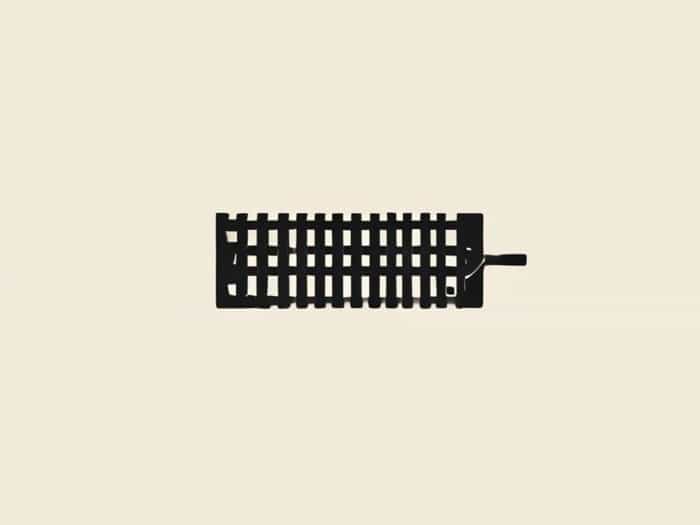
The harmonica is a small, portable wind instrument that has captured the hearts of musicians and listeners for generations. Often referred to by its more common name, mouth organ, the harmonica is known for its versatility across multiple music genres, from blues and jazz to folk and classical. Its compact design, combined with its expressive sound, has made it one of the most accessible instruments for beginners and professionals alike. Understanding the common name for harmonica and its historical, cultural, and musical significance helps illustrate why this instrument remains a beloved part of global music traditions.
Origins of the Harmonicas and the Mouth Organ Name
The harmonica, as we know it today, evolved in Europe during the early 19th century, though its conceptual ancestors date back thousands of years. Instruments similar to the harmonica appeared in China around 3000 years ago, known as the sheng, a mouth-blown free-reed instrument. Early European inventors adapted these ideas, creating instruments that were smaller and more portable, leading to the development of the harmonica around 1821 by Christian Friedrich Ludwig Buschmann in Germany.
One reason the harmonica is often called a mouth organ is because of its similarity in function to traditional pipe organs. Both instruments rely on air passing through reeds to produce musical notes. The term mouth organ emphasizes the fact that the musician’s mouth acts as the air source, functioning like the bellows of a full-sized organ, while the harmonica’s reeds vibrate to create melody. This name has persisted in informal and colloquial contexts, particularly in folk and blues communities where the instrument gained popularity.
Different Types of Harmonicas
The harmonica family includes several types, each with its unique playing style and application. The common name mouth organ generally refers to the diatonic harmonica, which is the most popular type, but other variations also exist
- Diatonic HarmonicaOften called the blues harp, this is tuned to a specific key and used widely in blues, rock, country, and folk music. Its simple layout makes it ideal for beginners.
- Chromatic HarmonicaEquipped with a button-activated slide that allows access to all semitones, the chromatic harmonica is versatile and suitable for jazz, classical, and pop music.
- Tremolo HarmonicaFeatures two reeds per note, slightly detuned to create a vibrating or tremolo effect, commonly found in traditional and folk music.
- Octave HarmonicaSimilar to tremolo types but tuned in octaves for a richer sound, often used in folk ensembles.
- Chord HarmonicaProduces multiple notes simultaneously to play chords and accompaniment, used in larger harmonica orchestras.
Why the Mouth Organ Remains a Popular Term
Despite the development of specialized names and classifications, the term mouth organ continues to be used worldwide because of its simplicity and descriptive power. It immediately conveys the method of playing blowing or drawing air through a small instrument held in the mouth. This accessibility helps beginners and casual players identify the instrument without needing to understand technical musical terminology.
The Harmonicas in Popular Music
The harmonica or mouth organ has played an essential role in shaping multiple music genres. Blues music, particularly in the United States, elevated the harmonica to a lead instrument capable of expressive emotional storytelling. Artists like Little Walter, Sonny Boy Williamson, and Big Walter Horton demonstrated the power of the mouth organ in creating haunting, soulful melodies.
In folk music, the harmonica became a portable companion for traveling musicians. Its small size, durability, and affordability made it ideal for performances in intimate settings, campfires, and street performances. Folk legends like Bob Dylan popularized the mouth organ as an iconic element in their sound, combining lyrical storytelling with the expressive capabilities of the instrument.
Even in classical and jazz music, chromatic harmonicas have found a place. Musicians like Toots Thielemans brought the mouth organ into orchestral arrangements and jazz improvisations, showing that its sound could complement a wide range of instruments. Today, the harmonica continues to appear in rock, country, pop, and world music, demonstrating its versatility and global appeal.
Learning to Play the Mouth Organ
One of the reasons the harmonica is so popular is its accessibility. Unlike larger instruments that require complex finger techniques or long-term training, the mouth organ allows players to start producing melodies quickly. Beginners can learn simple tunes, scales, and blues riffs in a matter of days, making it ideal for hobbyists or aspiring musicians.
Techniques like bending notes, tongue blocking, and using vibrato allow more advanced players to express emotion and nuance in their music. Even within the framework of a diatonic harmonica, these techniques transform the simple mouth organ into a highly expressive instrument capable of conveying deep feeling.
Cultural Significance of the Mouth Organ
The harmonica’s widespread popularity across cultures is a testament to its adaptability and charm. In the United States, it became synonymous with blues and folk traditions. In Japan, the mouth organ is used in ensembles for traditional music as well as contemporary pop arrangements. European countries maintain orchestras and competitions for harmonica players, including tremolo and chord types, recognizing its importance as both a solo and ensemble instrument.
The mouth organ also symbolizes resilience and creativity. During the Great Depression and wartime periods, musicians carried harmonicas as portable instruments that could be played anywhere, providing comfort and entertainment. Its small size, inexpensive production, and ability to create rich, expressive sounds gave it a unique place in the social and cultural history of many nations.
Innovations and Modern Usage
Modern harmonicas have seen technological and design innovations. Materials like stainless steel reeds, plastic combs, and ergonomic designs enhance durability and playability. Electronic harmonicas now exist that can interface with amplifiers, computers, and recording software, expanding the mouth organ’s possibilities in digital music production.
Educational tools, online tutorials, and harmonica competitions around the world ensure that this instrument remains accessible to new generations. The simplicity of the mouth organ, combined with its expressive potential, guarantees its continued relevance in contemporary music.
The harmonica, commonly known as the mouth organ, remains one of the most beloved and versatile musical instruments worldwide. Its unique design, expressive capabilities, and accessibility have made it a mainstay in blues, folk, jazz, classical, and popular music. From historical origins in Europe and Asia to modern digital innovations, the mouth organ continues to inspire musicians of all ages and skill levels. Understanding the common name for harmonica, its types, and cultural significance provides a deeper appreciation of this instrument’s enduring charm. Whether played at home, in concert halls, or on the streets, the mouth organ’s rich sound and historical importance ensure that it will remain a cherished instrument for generations to come.