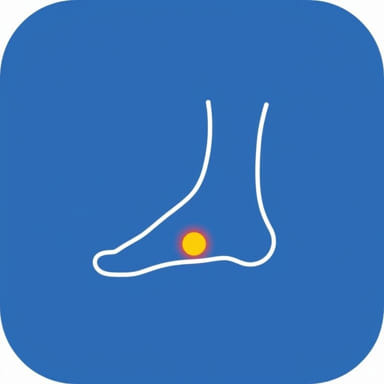
Plantar fasciitis is a common and often painful condition that affects the bottom of the foot, particularly the heel area. It occurs when the plantar fascia, a thick band of tissue connecting the heel bone to the toes, becomes inflamed or strained. Many people experience sharp, stabbing pain with their first steps in the morning or after prolonged periods of standing or walking. While plantar fasciitis can affect anyone, it is particularly common among runners, overweight individuals, and people who spend long hours on their feet. Finding an effective cure for plantar fasciitis involves a combination of self-care, medical interventions, physical therapy, and lifestyle adjustments designed to reduce inflammation, alleviate pain, and promote healing.
Understanding Plantar Fasciitis
Before exploring cures, it is important to understand the anatomy and causes of plantar fasciitis. The plantar fascia supports the arch of the foot and absorbs shock during walking and running. Excessive strain on this tissue can lead to tiny tears, inflammation, and heel pain. Contributing factors include poor footwear, flat feet or high arches, sudden increases in physical activity, obesity, and prolonged standing. Understanding these risk factors helps in both prevention and effective management of the condition.
Symptoms of Plantar Fasciitis
- Sharp heel pain, especially with the first steps after waking up.
- Pain that worsens after prolonged standing or activity, rather than during it.
- Stiffness and tenderness along the arch or bottom of the foot.
- Swelling or mild inflammation near the heel in some cases.
- Difficulty walking or performing activities that put pressure on the feet.
Non-Surgical Treatments for Plantar Fasciitis
Most cases of plantar fasciitis respond well to non-surgical interventions, which focus on reducing inflammation, relieving pain, and stretching or strengthening the plantar fascia. Early intervention often prevents the need for more invasive treatments.
Rest and Activity Modification
- Limiting activities that exacerbate heel pain, such as running or jumping, allows the plantar fascia to heal.
- Alternating low-impact exercises like swimming or cycling can maintain fitness without stressing the heel.
- Gradually returning to normal activity prevents reinjury.
- Incorporating short rest periods during prolonged standing can reduce strain.
- Using cushioned mats or supportive surfaces at work can help alleviate pressure on the feet.
Footwear and Orthotics
Proper footwear is crucial in managing plantar fasciitis. Shoes with good arch support, cushioned soles, and a slight heel lift reduce tension on the plantar fascia. In addition, custom orthotics or over-the-counter arch supports can provide extra cushioning and alignment, helping distribute weight evenly and relieve pressure points.
Stretching and Strengthening Exercises
- Calf stretches and plantar fascia stretches performed regularly can improve flexibility and reduce tension.
- Toe stretches, towel curls, and rolling the foot over a tennis or golf ball help massage and strengthen the arch.
- Exercises that strengthen the lower leg and foot muscles support proper foot mechanics and prevent recurrence.
- Consistency in stretching routines, particularly before and after activity, enhances recovery.
- Physical therapy programs may include manual therapy, ultrasound, or targeted strengthening exercises for optimal results.
Medications and Pain Relief
Over-the-counter nonsteroidal anti-inflammatory drugs (NSAIDs) such as ibuprofen or naproxen can reduce pain and inflammation temporarily. Topical anti-inflammatory gels may also provide localized relief. These medications are most effective when combined with rest, stretching, and supportive footwear, rather than as a sole treatment.
Advanced Non-Surgical Options
For cases that do not respond to initial treatments, several advanced non-surgical therapies are available. These options aim to accelerate healing, reduce inflammation, and restore foot function.
Night Splints
- Night splints keep the foot in a dorsiflexed position while sleeping, gently stretching the plantar fascia.
- Consistent use can reduce morning heel pain and improve flexibility over time.
- Night splints are often prescribed for several weeks to months depending on severity.
- They are most effective when combined with daily stretching and activity modifications.
- Comfort and adherence are key factors in achieving optimal results.
Extracorporeal Shockwave Therapy (ESWT)
ESWT is a non-invasive procedure that uses sound waves to stimulate healing in the plantar fascia. It is generally reserved for chronic plantar fasciitis that does not respond to conventional treatment. Studies show that ESWT can promote tissue regeneration, reduce pain, and improve function, although multiple sessions may be required.
Corticosteroid Injections
- In cases of persistent pain, corticosteroid injections may be administered directly into the heel to reduce inflammation.
- These injections can provide temporary relief and allow for participation in physical therapy and stretching exercises.
- Repeated injections are generally limited due to potential weakening of the plantar fascia or surrounding tissue.
- Medical supervision ensures safe administration and reduces the risk of complications.
- They are often combined with other conservative measures for long-term benefit.
Surgical Options
Surgery is considered a last resort for plantar fasciitis, reserved for patients who fail to respond to months of conservative therapy. Procedures may involve partial release of the plantar fascia or removal of bone spurs contributing to heel pain. Surgery carries risks including infection, prolonged recovery, and altered foot mechanics, and is typically followed by extensive rehabilitation to restore function.
Post-Surgical Rehabilitation
- Gradual weight-bearing and walking exercises help restore strength and mobility.
- Physical therapy focuses on stretching, strengthening, and correcting gait abnormalities.
- Custom orthotics may be recommended to support the arch and prevent recurrence.
- Pain management strategies ensure a smooth recovery process.
- Consistent follow-up with a healthcare provider ensures proper healing and prevents complications.
Lifestyle and Preventive Measures
Prevention and long-term management of plantar fasciitis involve lifestyle modifications that reduce strain on the plantar fascia and improve overall foot health. Maintaining a healthy weight reduces stress on the feet, while regular stretching and strengthening exercises keep the plantar fascia flexible and resilient. Wearing appropriate footwear during exercise and daily activities provides support, and avoiding prolonged standing or high-impact activities without proper conditioning minimizes risk. Early attention to foot pain, along with consistent self-care and professional guidance, can prevent acute plantar fasciitis from becoming chronic.
Tips for Prevention
- Incorporate regular calf and plantar fascia stretches into your routine.
- Choose shoes with proper arch support and cushioned soles for daily wear and exercise.
- Gradually increase activity intensity to avoid overloading the plantar fascia.
- Maintain a healthy weight to reduce pressure on the heels and arches.
- Seek prompt medical evaluation if heel pain persists or worsens, to prevent long-term complications.
Curing plantar fasciitis requires a comprehensive approach that combines rest, supportive footwear, targeted exercises, and appropriate medical interventions. Most patients respond well to non-surgical treatments, including stretching, orthotics, night splints, and anti-inflammatory medications. Advanced therapies like extracorporeal shockwave treatment or corticosteroid injections are effective for chronic or severe cases, while surgery remains a last resort. Preventive measures, lifestyle modifications, and early intervention play a crucial role in achieving lasting relief and restoring foot function. By understanding the causes, treatments, and preventive strategies for plantar fasciitis, individuals can take proactive steps toward managing pain, promoting healing, and maintaining healthy, active feet.