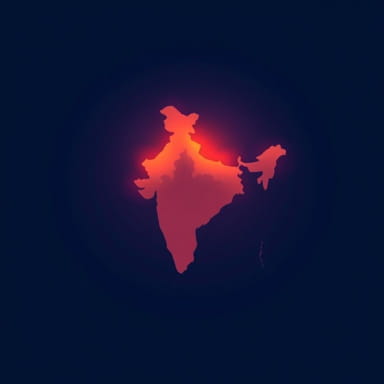
Located in the far northeast corner of India, the state that holds the title of being the easternmost is Arunachal Pradesh. This region, rich in culture, biodiversity, and natural beauty, shares international borders with Bhutan, China, and Myanmar. Its geographic position gives it strategic significance and unique characteristics that differentiate it from other Indian states. When discussing India’s geography or planning a journey across the country’s extreme points, Arunachal Pradesh always stands out as a remarkable and essential part of the narrative.
Geographical Position of Arunachal Pradesh
Arunachal Pradesh lies between latitudes 26.28°N and 29.30°N, and longitudes 91.20°E and 97.30°E. This makes it the easternmost state of India. The state capital, Itanagar, is located in the western part of Arunachal Pradesh, but the town of Kibithu in the Anjaw district is often noted as the easternmost inhabited point in the country.
Location Highlights
- Country India
- Region Northeast India
- Borders Bhutan (west), China (north and northeast), Myanmar (east)
- Easternmost Point Kibithu, Anjaw district
Due to its position, Arunachal Pradesh is the first Indian state to receive the rays of the rising sun, earning it the poetic title Land of the Rising Sun.
Cultural and Ethnic Diversity
Arunachal Pradesh is home to a mosaic of tribal communities. There are over 26 major tribes and more than 100 sub-tribes, each with their own dialects, customs, and traditions. Despite the linguistic and cultural diversity, the people of Arunachal Pradesh share deep-rooted values of hospitality and harmony with nature.
Major Tribes of Arunachal Pradesh
- Adi
- Nyishi
- Monpa
- Galo
- Apatani
- Tagin
- Mishmi
- Nocte
These tribes follow different belief systems, ranging from animism and shamanism to Buddhism and Christianity. Festivals like Losar, Dree, Solung, and Nyokum are integral to community life and reflect the colorful culture of the region.
Natural Beauty and Biodiversity
Arunachal Pradesh is a paradise for nature lovers. The state is blessed with snow-capped mountains, deep river valleys, lush green forests, and a wide variety of flora and fauna. The region is part of the Eastern Himalayan biodiversity hotspot, one of the richest ecosystems on Earth.
Key Natural Attractions
- Tawang Monastery – one of the largest Buddhist monasteries in India
- Namdapha National Park – a haven for endangered species
- Sela Pass – a scenic mountain pass with breathtaking views
- Ziro Valley – known for its scenic rice fields and pine forests
- Mechuka – a hidden valley near the Indo-China border
The forests of Arunachal Pradesh are home to animals like red pandas, clouded leopards, snow leopards, Himalayan black bears, and a variety of birds and butterflies.
Strategic Importance
Due to its international borders with three countries Bhutan, China, and Myanmar Arunachal Pradesh holds significant geopolitical value for India. The Line of Actual Control (LAC) separates it from China, which lays claim to the territory as part of South Tibet, a claim that India strongly disputes. This geopolitical tension has made Arunachal Pradesh a focus of infrastructural development and military presence.
Defense and Infrastructure
- Military outposts and airstrips have been constructed to ensure national security
- Road and communication networks are being improved rapidly
- The Indian government has initiated border village development programs
The recent development of highways and tunnels, such as the Sela Tunnel project, aims to enhance civilian and military mobility in the high-altitude areas of the state.
Tourism and Eco-Travel
Though remote, Arunachal Pradesh has slowly become a preferred destination for eco-tourism and adventure travel. Due to its relatively unexplored terrain, it offers a unique experience compared to other popular tourist regions in India. Foreign tourists need a Protected Area Permit (PAP), while Indian citizens require an Inner Line Permit (ILP) to enter the state.
Activities and Experiences
- Trekking in high-altitude areas like Tawang and Mechuka
- Bird watching and wildlife safaris in national parks
- Cultural immersion in tribal festivals and traditional villages
- Rafting and angling in the Siang and Subansiri rivers
Community-based tourism is growing, giving travelers a chance to stay in homestays, taste local cuisine, and learn about tribal lifestyles firsthand.
Climate and Best Time to Visit
Arunachal Pradesh has a diverse climate that varies with altitude and region. While the foothills experience a humid subtropical climate, the higher elevations receive snowfall in winter.
Seasonal Overview
- Summer (April to June)Pleasant and ideal for sightseeing
- Monsoon (July to September)Heavy rainfall; travel not recommended
- Autumn (October to November)Clear skies and post-monsoon greenery
- Winter (December to March)Cold and snowy in the upper regions; perfect for snow lovers
October to April is considered the best period for visiting Arunachal Pradesh, especially for trekking and attending local festivals.
Education and Development
Over the past few decades, Arunachal Pradesh has made strides in education and development, although challenges remain due to its terrain and remoteness. Institutions like Rajiv Gandhi University and the National Institute of Technology (NIT) in Yupia have contributed to the growth of higher education in the state.
Development Challenges
- Remote terrain makes construction and communication difficult
- Lack of connectivity hampers access to health and education
- Need for preservation of culture alongside modernization
However, government initiatives and community participation have steadily improved infrastructure, healthcare, and educational outreach in the region.
Arunachal Pradesh, the easternmost state of India, is a land of stunning landscapes, vibrant cultures, and strategic importance. Its geographic position gives it a distinct identity in the Indian subcontinent. With each sunrise, it reminds the country of its rich tribal heritage and the importance of preserving nature and unity in diversity. Whether for its environmental wonders, cultural vibrancy, or geopolitical relevance, Arunachal Pradesh continues to play a vital role in shaping India’s future. For travelers and researchers alike, it offers an unmatched window into the edge of India’s vast and diverse territory.