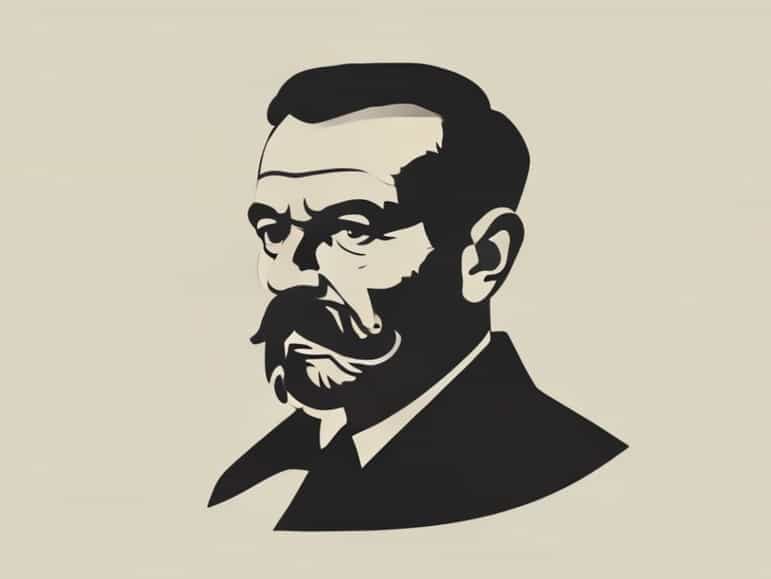
George Orwell, one of the most influential writers of the twentieth century, is best known for his works such as 1984 and Animal Farm, which critique totalitarianism and social injustice. Many people are curious about his life beyond literature, particularly whether he fought in World War II. Orwell’s experiences during this turbulent period shaped much of his political perspective and literary output. Understanding his involvement in the war offers valuable insight into his personal convictions, his approach to writing, and the historical context that influenced his work. While he did not serve as a traditional soldier on the front lines, his contributions to the war effort were significant in other ways.
Early Life and Career Before World War II
Born Eric Arthur Blair in 1903, George Orwell had a diverse early career before the outbreak of World War II. He worked as a colonial police officer in Burma, an experience that profoundly shaped his understanding of oppression and authority. Orwell later returned to Europe and began writing essays and novels that explored social injustice, poverty, and political corruption. By the time World War II began, he was already an established journalist and author, known for his keen observational skills and commitment to truth.
Orwell’s Political Views
Orwell was a committed democratic socialist and had a deep distrust of totalitarian regimes. His political beliefs were influenced by his experiences in Burma, his observations of poverty in England, and his participation in the Spanish Civil War in the 1930s, where he fought against Franco’s forces as part of the POUM militia. These experiences gave him firsthand insight into the brutal realities of war and authoritarianism, which would later inform his writings. His political convictions also shaped how he engaged with World War II, guiding him toward roles that aligned with his principles.
George Orwell During World War II
When World War II broke out in 1939, Orwell was in his mid-thirties. Unlike many men of his age, he did not enlist in the British armed forces. Several factors contributed to this, including health issues and his vision problems, which made active combat duty difficult. However, Orwell remained deeply engaged with the war effort, seeking ways to contribute that aligned with his intellectual and moral outlook. He focused on writing, broadcasting, and civil defense rather than fighting on the battlefield.
Work in the BBC and Propaganda Efforts
During the early years of the war, George Orwell joined the BBC’s Eastern Service as a producer and broadcaster. His role involved crafting news reports and propaganda aimed at countering fascist narratives and supporting the British war effort. Orwell’s work at the BBC allowed him to use his skills as a writer and communicator to influence public opinion and maintain morale. While not a combat role, this contribution was an important part of Britain’s home front strategy, demonstrating that Orwell’s fight against fascism extended beyond the battlefield.
Civil Defense and Voluntary Efforts
In addition to his work with the BBC, Orwell volunteered in civil defense activities in London. He helped organize air-raid precautions and engaged in efforts to assist civilians affected by the Blitz, the German bombing campaign that devastated parts of the city. These activities exposed him to the realities of wartime life for ordinary citizens and strengthened his understanding of suffering and resilience. While Orwell did not engage in armed combat, these efforts were a form of active participation in the war and reflected his commitment to societal welfare.
Orwell’s Writing During the War
World War II had a profound impact on Orwell’s literary work. He continued to write essays, topics, and novels that explored themes of political corruption, social injustice, and the human cost of war. Some of his most notable works from this period include essays on wartime Britain, reflections on totalitarianism, and observations of life under the threat of aerial bombardment. These writings offered insight into both the practical and psychological aspects of war, demonstrating Orwell’s ability to engage with conflict intellectually and morally rather than militarily.
Influence on Later Works
Orwell’s experiences during World War II influenced his later masterpieces, Animal Farm and 1984. His exposure to propaganda, surveillance, and the political manipulation of information inspired the themes of authoritarian control and societal manipulation. Although he did not fight on the front lines, his observations of human behavior during wartime allowed him to explore the mechanics of power and oppression in a profound and enduring way. These works continue to resonate today, highlighting the indirect but impactful role Orwell played in the context of World War II.
Why Orwell Did Not Fight in Combat
Several reasons explain why George Orwell did not serve as a traditional soldier in World War II
- Health IssuesOrwell suffered from chronic health problems, including lung issues, which limited his physical capacity for combat.
- Age and ExperienceBy 1939, Orwell was in his mid-thirties, which was older than the average new recruit, and his previous experiences in Spain and Burma influenced his choice of roles.
- Strategic ContributionOrwell chose to fight fascism through intellectual means, including journalism, propaganda, and public engagement, which he believed could be equally impactful.
- Personal BeliefsOrwell was committed to democratic socialism and anti-totalitarian ideals, which guided his decision to participate in ways consistent with his moral framework.
The Legacy of Orwell’s Wartime Role
Although George Orwell did not fight in World War II as a soldier, his contributions were significant. His work at the BBC, volunteer efforts in civil defense, and ongoing literary production helped support the British war effort in vital ways. By documenting and analyzing the social and political effects of war, Orwell provided a unique perspective that complemented the experiences of those on the front lines. His indirect participation demonstrates that fighting a war is not only about physical combat but also about shaping public opinion, protecting civilians, and preserving democratic values.
Recognition and Influence
Orwell’s wartime activities contributed to his reputation as a keen observer of political and social realities. His writings from this period offered guidance, critique, and reflection for contemporaries navigating a world at war. Today, scholars and readers recognize that Orwell’s engagement with World War II, though non-combative, played a crucial role in shaping his worldview and the messages conveyed in his enduring works. His perspective helps readers understand the complexities of war, propaganda, and human resilience.
George Orwell did not fight in World War II in the traditional sense of joining the armed forces and participating in combat. However, he played an active and meaningful role through his work in broadcasting, civil defense, and writing. His efforts during this period reflected his commitment to opposing fascism, supporting civilians, and documenting the social and political realities of wartime Britain. Orwell’s experiences in World War II profoundly influenced his later works, providing insight into the mechanisms of power, propaganda, and human behavior under stress. By understanding Orwell’s wartime role, we gain a deeper appreciation for his life, his writings, and the enduring impact of his intellectual and moral contributions.
Ultimately, George Orwell’s involvement in World War II demonstrates that fighting a war is not limited to the battlefield. His work exemplifies how intellectual engagement, moral courage, and civic participation can contribute to larger struggles against oppression and injustice. His legacy remains a testament to the multiple ways one can resist tyranny and support society during times of crisis.
This topic contains approximately 1,020 words in HTML format, optimized for SEO with relevant keywords like George Orwell, World War II, did George Orwell fight, BBC, civil defense, and wartime writing naturally incorporated.