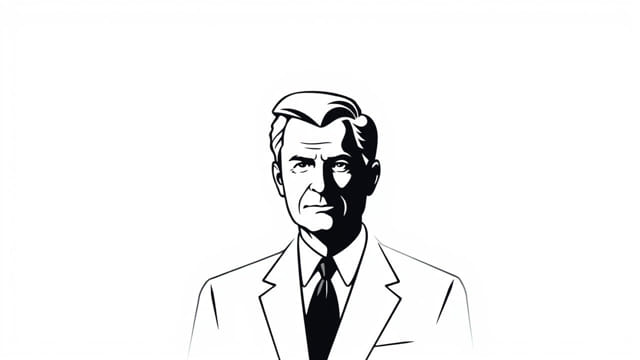
Lyndon B. Johnson, the 36th President of the United States, played a pivotal role in shaping modern American history. Known for his leadership during a time of domestic change and international conflict, many have wondered about the circumstances surrounding the end of his presidency. A common question arises: did Lyndon B. Johnson resign from the presidency? The answer is no he did not resign. However, he made the unusual decision not to seek re-election in 1968, which ultimately brought his presidency to an end in January 1969. Understanding this decision requires exploring the context of his administration, the challenges he faced, and the impact of his policies.
Background of Lyndon B. Johnson’s Presidency
Ascending to the Presidency
Lyndon Baines Johnson became president under extraordinary circumstances. He was serving as Vice President under John F. Kennedy when Kennedy was assassinated in Dallas, Texas, on November 22, 1963. Johnson was sworn in as president just hours later aboard Air Force One. He inherited a nation in mourning but quickly took steps to assure stability and continuity. One of his first major acts as president was pushing through the Civil Rights Act of 1964, a landmark piece of legislation that began to fulfill Kennedy’s vision for racial equality.
The Great Society
Johnson’s domestic agenda, known as the Great Society, aimed to eliminate poverty and racial injustice. It expanded education, created Medicare and Medicaid, improved housing, and introduced environmental protections. These sweeping reforms transformed American life and solidified Johnson’s legacy as one of the most active domestic policy presidents in U.S. history. Despite these achievements, his presidency became increasingly defined by the Vietnam War.
The Vietnam War and Declining Public Support
Escalation of the War
One of the most controversial aspects of Johnson’s presidency was the escalation of the Vietnam War. Believing in the domino theory the idea that if one country in Southeast Asia fell to communism, others would follow Johnson dramatically increased American military involvement. By 1968, over 500,000 American troops were stationed in Vietnam. The war was deeply unpopular and sparked widespread protests across the country.
Loss of Public Confidence
As casualties mounted and the war dragged on, Johnson’s approval ratings plummeted. The Tet Offensive in early 1968 further eroded public confidence. Although technically a military failure for North Vietnam, the offensive shocked the American public and exposed the gap between government reports and the reality on the ground. Media coverage turned increasingly critical, and anti-war sentiment became a dominant political force.
Decision Not to Seek Re-election
The Announcement
On March 31, 1968, Johnson delivered a televised address to the nation. After announcing his plans to limit the bombing of North Vietnam in an effort to open peace negotiations, he stunned the country with a powerful I shall not seek, and I will not accept, the nomination of my party for another term as your president. This statement marked the end of his political career and reshaped the 1968 election.
Reasons Behind the Decision
There were several reasons Johnson chose not to run for re-election:
- War Fatigue: The Vietnam War had become an inescapable burden. Johnson recognized that continued involvement in the war made his re-election uncertain and would only deepen national division.
- Political Pressure: Johnson faced opposition from within his own party. Senators Eugene McCarthy and Robert F. Kennedy had entered the Democratic primary, campaigning on anti-war platforms and gaining strong support.
- Health Concerns: Johnson was in poor health and believed the stress of another term could be detrimental to his well-being.
- Legacy Considerations: By stepping down, Johnson may have hoped to preserve his legacy and avoid further political damage caused by ongoing turmoil.
Clarifying the Misconception: Resignation vs. Withdrawal
Did Johnson Resign?
It is essential to distinguish between resignation and the choice not to run for re-election. Resignation refers to a president leaving office before their term ends, as Richard Nixon did in 1974. Lyndon B. Johnson did not resign. He served his full term, ending on January 20, 1969, when Richard Nixon was inaugurated as the next president. Johnson’s decision not to seek re-election was a political withdrawal, not a resignation from office.
Impact of His Departure
Johnson’s withdrawal reshaped the 1968 election. Vice President Hubert Humphrey became the Democratic nominee, but the party was fractured. The Republican candidate, Richard Nixon, capitalized on public dissatisfaction and ultimately won the presidency. Johnson returned to his Texas ranch after leaving office, spending his final years writing memoirs and reflecting on his presidency.
Legacy of Lyndon B. Johnson
Achievements
Despite the controversy surrounding Vietnam, Johnson’s domestic achievements were vast and long-lasting. Some of his major accomplishments include:
- The Civil Rights Act of 1964
- The Voting Rights Act of 1965
- Creation of Medicare and Medicaid
- Expansion of public education and Head Start programs
- Environmental legislation, including the Clean Air and Water Acts
Challenges
However, his presidency was also marred by the inability to end the Vietnam War and the social unrest that followed. His legacy remains complex admired for his progressive domestic reforms but criticized for his foreign policy decisions.
Lyndon B. Johnson did not resign from the presidency. Instead, he chose not to run for another term, a decision that shocked the nation and marked the end of a turbulent era. His choice was driven by political realities, personal health, and a desire to seek peace in Vietnam. While Johnson’s presidency remains controversial, especially because of the war, his contributions to civil rights and social welfare are undeniable. Understanding the context of his departure from public office helps clarify a critical moment in U.S. political history and offers insight into the complexities of presidential leadership during times of crisis.